
UN Human Rights Chief Sounds Alarm Over US Immigration Policies Before 2026 World Cup
With the 2026 FIFA World Cup set to be hosted across cities in the United States, Canada, and Mexico, the world's attention is turning not only to soccer but also to the political and humanitarian climate surrounding one of sport's biggest events. The United Nations' top human rights official has issued a stark warning, calling for a "massive rethink" of US immigration and security policies ahead of the tournament. The concern is clear: without significant policy reform, racial profiling, aggressive enforcement, and widespread surveillance could cast a long shadow over what should be a celebration of global unity through sport.
What Did the UN Say?
The UN's High Commissioner for Human Rights made an urgent appeal, warning that current US immigration enforcement strategies are already creating a chilling effect on international travel to the United States. According to the official, players, team staff, match officials, and supporters from certain countries — particularly those with large Muslim-majority populations or from regions historically subject to US travel restrictions — face a disproportionate risk of being targeted at borders and in public spaces.
The statement did not merely point to potential future risks. The UN official indicated that aggressive enforcement measures are already affecting individuals connected to international sports events being hosted on US soil. The call for a "massive rethink" was deliberate and pointed — a direct challenge to federal immigration and law enforcement agencies to reassess how their policies interact with international human rights obligations.
Racial Profiling: A Growing Concern for World Cup Visitors
One of the most prominent issues raised was the risk of racial profiling. The UN expressed concern that visitors from countries in Africa, the Middle East, Latin America, and parts of Asia could face heightened scrutiny simply based on their nationality, ethnicity, or religion — not based on any credible threat or individual conduct. This kind of profiling, the UN argued, is not only a violation of basic human rights principles but also a practical barrier to the free movement of fans and athletes who wish to participate in the World Cup.
Racial profiling in immigration enforcement is not a new issue in the United States, but the scale of the 2026 World Cup — which is expected to draw millions of international visitors — means the stakes are significantly higher. Human rights advocates and civil liberties organizations have echoed the UN's concerns, warning that without concrete changes to enforcement protocols, many potential visitors may choose not to attend out of fear of harassment, detention, or deportation.
Surveillance and Security Overreach
Beyond profiling at the border, the UN also raised concerns about the use of surveillance technology in the lead-up to and during the World Cup. Advanced tools including facial recognition, social media monitoring, and location tracking have become central elements of US security operations. While authorities argue these tools are essential for managing large-scale international events, critics — including the UN — warn that they are often deployed in ways that disproportionately target minority communities and foreign nationals.
The expansion of these surveillance programs in the context of the World Cup could effectively turn what is meant to be an open, festive global gathering into a tightly controlled security environment where ordinary fans feel monitored and unwelcome. The UN's position is that any security framework for the tournament must be grounded in proportionality, transparency, and non-discrimination.
The Stakes for FIFA and World Cup Host Cities
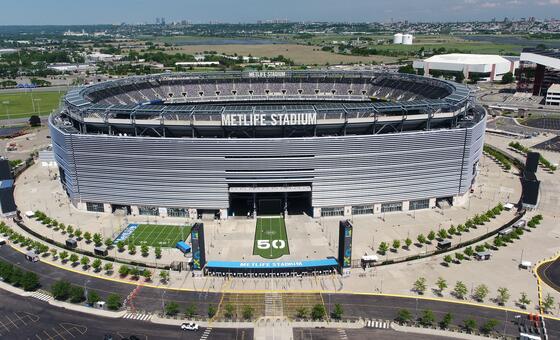
The UN's warning puts FIFA and the various US host cities — including New York, Los Angeles, Dallas, Miami, and San Francisco — in a difficult position. These cities have invested heavily in preparations for the tournament and stand to gain enormously from the economic activity and global visibility the World Cup brings. However, if the international community perceives the US as an unwelcoming or hostile destination for foreign nationals, attendance could suffer and the reputational damage could be significant.
FIFA has its own human rights framework and has faced criticism in the past for awarding tournaments to countries with poor human rights records. Hosting the World Cup in the United States — a country currently under international scrutiny for its immigration enforcement practices — will likely prompt renewed calls for FIFA to enforce its human rights standards more rigorously on host nations as well.
Calls for Policy Reform Before Kickoff
Human rights organizations are urging the US government to take concrete steps before the tournament begins. Among the measures being called for are clear guidelines prohibiting racial and religious profiling during World Cup-related operations, transparent oversight mechanisms for surveillance programs, accessible legal support for foreign nationals detained or questioned at the border, and coordinated outreach to potential visitors from affected regions to ensure they understand their rights.
What Can Be Done?
- Federal agencies should publish clear, enforceable anti-profiling guidelines specific to World Cup enforcement operations.
- Independent oversight bodies should be empowered to monitor immigration and security activities throughout the tournament period.
- The State Department should work proactively with embassies and consulates to streamline visa processing for World Cup participants and fans.
- FIFA should require host city agreements to include binding human rights compliance clauses with real accountability mechanisms.
A Defining Moment for the United States
The 2026 FIFA World Cup represents a remarkable opportunity for the United States to showcase its best self to the world — its diversity, its passion for sport, and its capacity to welcome millions of visitors from every corner of the globe. But that opportunity comes with responsibility. The UN's call for a "massive rethink" of immigration and security policies is not an attack on legitimate security interests. It is a reminder that how a host nation treats its guests says everything about its values.
The decisions made in the months ahead — in federal agencies, in Congress, and in city halls — will determine whether the 2026 World Cup is remembered as a triumph of global community or as a cautionary tale about what happens when fear and enforcement override openness and human dignity. The world is watching, and the clock is ticking.