
The B-21 Raider vs. B-2 Spirit: A Generational Leap in Stealth Durability
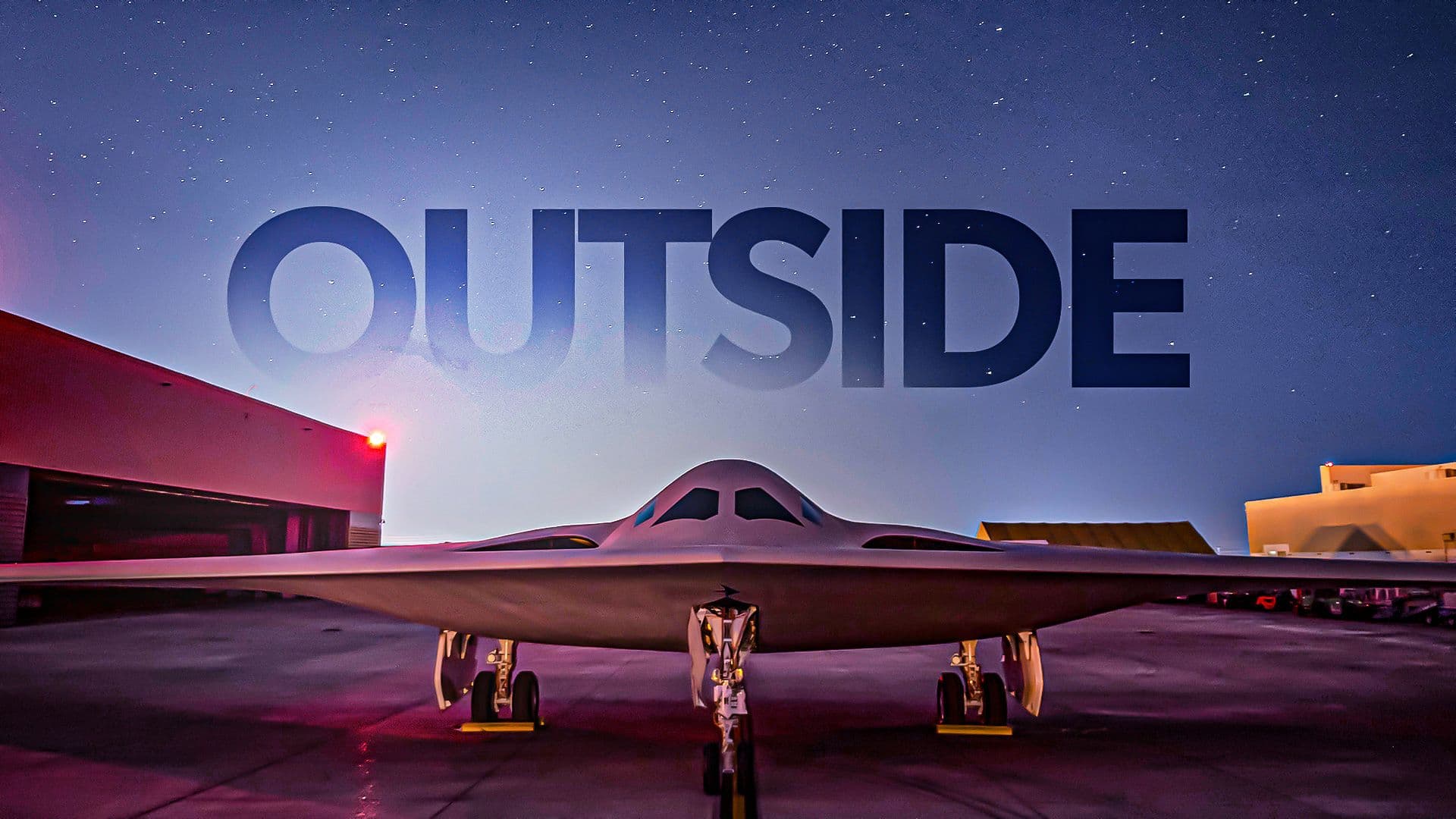
For decades, the Northrop Grumman B-2 Spirit stood as the crown jewel of American air power — an awe-inspiring flying wing capable of delivering nuclear and conventional payloads anywhere on Earth without ever being detected by enemy radar. Yet for all its revolutionary capability, the B-2 carried a surprising and operationally debilitating weakness: it could not survive a rainstorm without significant damage to its stealth coating. Now, as the United States Air Force transitions to the next generation of strategic bombing, the B-21 Raider is rewriting the rules entirely. Unlike its predecessor, the B-21 can be parked outside overnight — a seemingly small detail that represents a monumental shift in how America will project air power in the decades to come.
The B-2 Spirit's Achilles Heel: A Stealth Bomber That Feared the Rain
The B-2 Spirit first flew in 1989 and entered service in 1997, representing a quantum leap in low-observable technology. Its distinctive flying-wing design reduced its radar cross-section to roughly the size of a large bird, making it nearly invisible to even sophisticated integrated air defense systems. However, the materials and coatings that gave the B-2 its extraordinary stealth capability came with an extraordinary price — not just in dollars, but in logistical fragility.
The B-2's radar-absorbent material (RAM) coating was notoriously sensitive to environmental conditions. Humidity, rain, and temperature fluctuations would degrade the coating, compromising the aircraft's stealth signature. This meant every B-2 had to be housed in a climate-controlled hangar at virtually all times when not flying. The Air Force invested enormous resources in specialized facilities known as Low Observable Maintenance Hangars (LOMH) at Whiteman Air Force Base in Missouri, the only operational base for the B-2 fleet. Each aircraft required hundreds of hours of maintenance after every mission just to restore its stealth coating to acceptable standards.
This made the B-2 what military planners bluntly call a "hangar queen" — a high-value asset that spends more time being serviced on the ground than it does flying combat missions. The aircraft's operational availability rate suffered as a result, limiting the number of bombers ready to sortie at any given moment. In a peer-level conflict where speed and surge capacity could determine the outcome, this was more than an inconvenience — it was a strategic liability.
What Makes the B-21 Raider Different? Advanced Multispectral Stealth
The B-21 Raider, developed by Northrop Grumman under the Long Range Strike Bomber program, was designed from the ground up to address every operational shortcoming of the B-2. Chief among these improvements is a fundamentally upgraded approach to stealth technology. While exact technical specifications remain classified, the USAF and Northrop Grumman have publicly confirmed that the B-21 incorporates next-generation multispectral stealth materials that are far more resilient than those used on the B-2.
Multispectral stealth goes beyond simply defeating radar. It addresses detection across multiple portions of the electromagnetic spectrum, including infrared, ultraviolet, and visual signatures. Critically for operational purposes, the materials used to achieve this capability on the B-21 are engineered to withstand the rigors of outdoor exposure. Rain, humidity, temperature swings — the environmental factors that would send a B-2 crew scrambling to get their aircraft under cover — are no longer catastrophic threats to the Raider's stealth integrity.
This single improvement has cascading operational benefits. Maintenance crews can service the aircraft in conventional open-air environments. The bomber can be rapidly deployed to austere forward operating locations that lack sophisticated hangar infrastructure. And the overall cost and time burden of maintaining the stealth coating is dramatically reduced compared to what the B-2 demanded.
Agile Combat Employment: The Strategic Philosophy Behind the Raider
The B-21 Raider's improved durability is inseparable from a broader doctrinal shift in how the US Air Force intends to fight future wars. That doctrine is known as Agile Combat Employment, or ACE, and it is arguably the most significant change in USAF operational thinking since the Cold War. ACE envisions dispersing aircraft across a larger number of smaller, less predictable bases in order to complicate enemy targeting and reduce vulnerability to precision missile strikes.
This approach is specifically designed to counter the anti-access/area-denial (A2/AD) capabilities being developed and fielded by China and Russia. Both nations have invested heavily in long-range ballistic and cruise missiles capable of threatening traditional US air bases in the Pacific and European theaters. By spreading aircraft across many locations — including austere sites with minimal infrastructure — the USAF can force adversaries to spread their strike resources thin or simply accept that they cannot suppress American air power before it launches.
A bomber that requires a climate-controlled hangar is simply incompatible with ACE. The B-2 could never meaningfully participate in this kind of dispersed operations concept. The B-21, by contrast, was engineered with ACE in mind from the earliest design phases. Its ability to sit on a ramp in open air overnight and be ready to fly the next morning is not a nice-to-have feature — it is a core operational requirement.
The End of Hangar Queens in the USAF Bomber Fleet
As the Air Force continues restructuring its strategic strike forces, the era of the high-maintenance, environment-sensitive stealth platform is drawing to a close. The B-2 Spirit served with distinction and broke barriers that once seemed insurmountable, but its operational constraints always placed a ceiling on how effectively it could be employed in large-scale, fast-moving conflicts.
The B-21 Raider lifts that ceiling. With superior stealth materials, greater operational flexibility, and a design philosophy rooted in agile deployment, the Raider is not merely a new bomber — it is a fundamental reimagining of what a stealth strike platform should be. The fact that it can simply park outside overnight may sound mundane, but it speaks volumes about how far stealth technology and military aircraft design have advanced since the Spirit first rolled out of Palmdale in the late 1980s.
Looking Ahead: The B-21 and the Future of Strategic Air Power
The US Air Force plans to procure at least 100 B-21 Raiders, with some analyses suggesting the final number could climb significantly higher depending on threat assessments and budget cycles. As the aging B-1B Lancer and B-52 Stratofortress fleets are eventually retired or supplemented, the Raider will form the backbone of America's long-range conventional and nuclear strike capability.
In that role, its ruggedness, maintainability, and compatibility with agile combat employment will matter just as much as its raw stealth performance. The B-21 is built not only to survive the battlespace — it is built to survive the logistics and operational demands of modern great-power competition. That starts with something as simple, and as significant, as being able to spend the night outside.