
Over 300 Drones Seized Near FIFA World Cup Stadiums, TSA Confirms
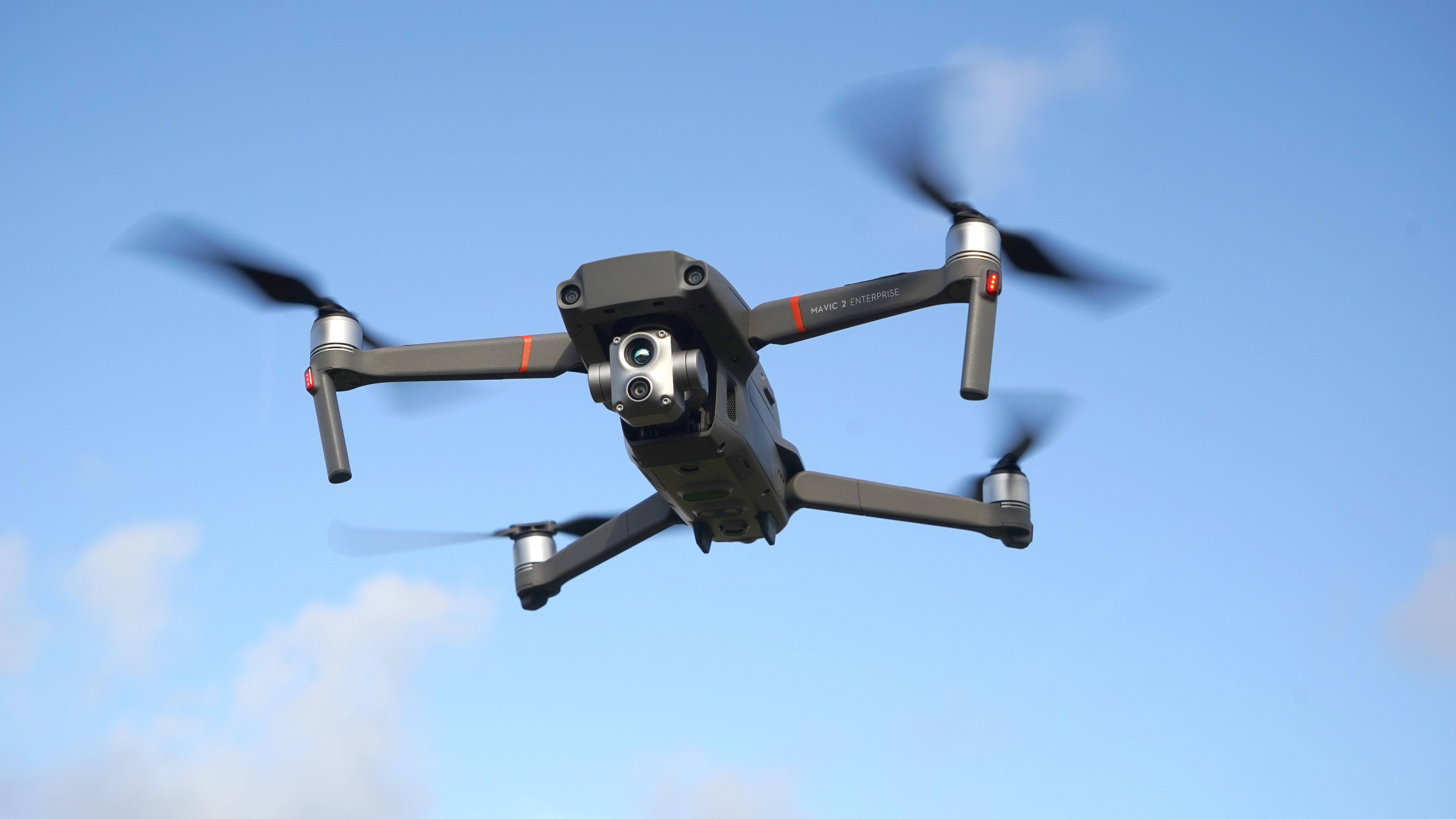
United States authorities have seized more than 300 drones operating illegally near FIFA World Cup stadiums and related venues since the tournament kicked off on American soil. The Transportation Security Administration (TSA) confirmed the staggering figure, shedding light on the immense aerial security challenge that federal and local agencies are navigating as the country hosts one of the most-watched sporting events on the planet. Officials have made clear that unauthorized drone activity poses a direct and serious threat to spectators, players, aircraft, and ongoing security operations across every host city.
A Coordinated Multi-Agency Enforcement Operation
The sheer scale of the drone seizure effort underscores just how complex modern event security has become. This is not a one-agency operation. The enforcement campaign is being carried out by a carefully coordinated network that includes the TSA, the Federal Aviation Administration (FAA), the Department of Homeland Security (DHS), the Federal Bureau of Investigation (FBI), and a range of local law enforcement partners stationed in and around each host city and venue.
This kind of inter-agency collaboration is critical when managing temporary flight restriction zones (TFRs) over major public gatherings. Each agency brings a specific set of tools and legal authorities to the table, allowing officials to detect, track, intercept, and seize rogue drones before they can cause harm or disruption. The coordination also allows for rapid prosecution of those responsible, as unauthorized drone operation near a protected airspace is a federal offense that carries significant legal consequences.
Why Drones Near Stadiums Are Such a Serious Threat
To the casual observer, a consumer drone hovering above a stadium might seem like a minor nuisance. In reality, it represents a multi-dimensional security risk that authorities take extremely seriously, especially during large-scale international events like the FIFA World Cup.
- Risk to aircraft: Stadiums near airports or within busy airspace corridors create dangerous conflicts between drones and manned aircraft. A drone strike on a helicopter, law enforcement aircraft, or commercial flight could be catastrophic.
- Risk to crowds: A drone malfunction or deliberate crash over a stadium packed with tens of thousands of fans could result in serious injuries. Even small consumer drones carry enough mass and speed to cause harm at altitude.
- Surveillance and espionage concerns: Unauthorized drones equipped with cameras can capture sensitive security footage, map out perimeter weaknesses, or relay real-time information to bad actors who wish to exploit gaps in security protocols.
- Weaponization potential: While rare, the modification of commercial drones for use as delivery platforms for dangerous payloads is a documented concern for global security services. No threat of this kind should be dismissed at an event of the World Cup's magnitude.
- Disruption to the event itself: Even without malicious intent, a drone entering restricted airspace can trigger emergency protocols, delay matches, and cause widespread panic among stadium crowds.
The FAA's Temporary Flight Restrictions During the World Cup
The FAA established Temporary Flight Restrictions (TFRs) over all FIFA World Cup venues in the United States for the duration of the tournament. These no-fly zones typically extend several miles around each stadium and are active during a defined window before, during, and after each match. Flying a drone within a TFR without explicit authorization from the FAA is a federal violation, regardless of the drone operator's intent.
Under FAA regulations, recreational and commercial drone pilots are required to check for active TFRs before every flight. Tools such as the FAA's B4UFLY app and other airspace awareness platforms make this relatively straightforward, meaning there is little excuse for unintentional violations near something as widely publicized as a World Cup match. The fact that over 300 drones have still been seized suggests a troubling combination of deliberate disregard, willful ignorance, and in some cases, possible malicious intent.
What Happens When a Drone Is Seized?
When authorities detect and intercept an unauthorized drone near a World Cup venue, the response is swift and legally consequential. The drone is seized as evidence, and enforcement officials work to identify the operator using a combination of RF signal tracking, remote ID technology, and on-the-ground coordination. Operators who are identified face potential federal charges, civil penalties from the FAA, and in serious cases, criminal prosecution by the FBI or DHS.
The FAA can impose civil penalties of up to $27,500 per violation for commercial drone operators and up to $1,900 for recreational flyers who violate TFRs. Criminal charges under federal law can escalate far beyond that, particularly when a drone poses a direct threat to national security or a federally designated special security event like the FIFA World Cup.
A Broader Signal for Large Event Security in the US
The volume of drone seizures at the World Cup is not just a number — it is a signal. It tells security planners, policymakers, and the public that drone-related threats at major sporting events are no longer hypothetical. They are happening in real time, at scale, and they require a robust, permanent response framework that extends well beyond any single tournament.
As commercial drones become cheaper, more capable, and more widely available, the challenge of securing airspace over public gatherings will only intensify. The TSA's World Cup enforcement operation may well serve as a blueprint for future large-scale events, from the Olympic Games to Super Bowls, presidential inaugurations, and beyond.
What Drone Operators Need to Know
If you are a drone enthusiast or a professional UAV operator, the message from federal authorities is unambiguous: check the airspace before you fly, and understand that ignorance of a TFR is not a legal defense. Use the FAA's official tools to verify airspace restrictions, register your drone if required, and stay well clear of any venue hosting a major public event. The penalties for non-compliance are steep, and during an event like the FIFA World Cup, enforcement is active, coordinated, and operating around the clock.
With more than 300 drones already seized and the tournament still ongoing, it is clear that US authorities are taking aerial security at the 2025 FIFA World Cup more seriously than ever before. The collaboration between the TSA, FAA, DHS, FBI, and local law enforcement represents a new standard for airspace protection at high-profile events — and a firm warning to anyone considering unauthorized flight near a protected venue.