
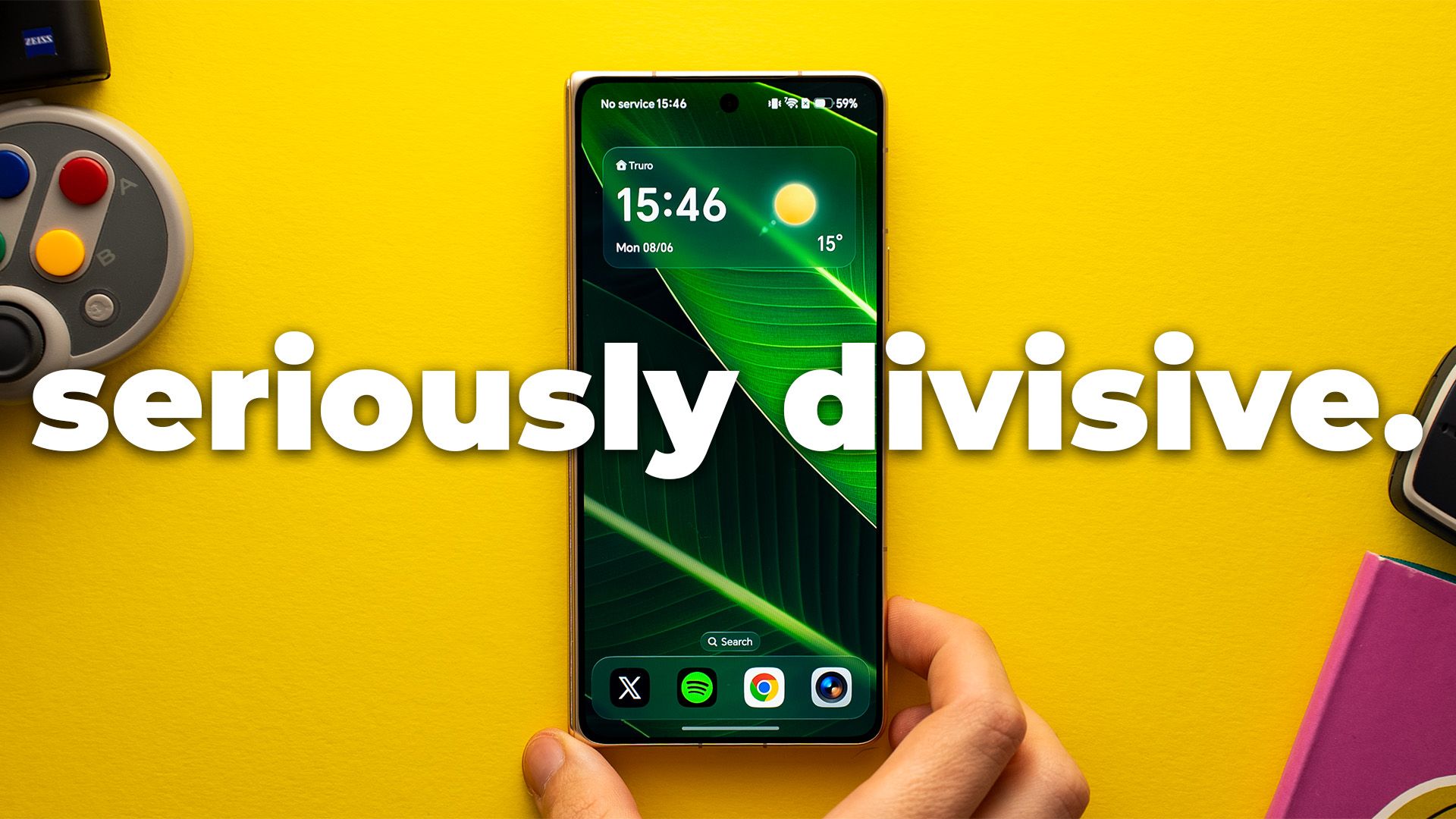
The Phones That Have Everyone Arguing
In the world of consumer technology, few topics generate as much passionate disagreement as smartphones. Every year, manufacturers release new devices promising to be the best version of their technology yet — and every year, the internet erupts into fierce debate. Some phones land cleanly: everyone loves them or everyone shrugs. But then there are the devices that split users right down the middle. These are the phones nobody can agree on, and understanding why they're so divisive reveals a lot about how we think about technology, value, and personal preference.
Why Do Some Phones Spark So Much Debate?
Before diving into the specific devices, it's worth asking why certain smartphones become lightning rods for controversy. The answer usually comes down to a combination of bold design choices, aggressive pricing, and a loyal but outspoken user base. When a manufacturer takes a risk — whether it's removing a headphone jack, adopting a radically new form factor, or charging a premium price for incremental upgrades — it invites both fierce defenders and equally fierce critics.
Social media has amplified this dynamic enormously. A single hands-on review can rack up thousands of comments within hours, with users split between "this changes everything" and "this is a gimmick." The truth, more often than not, lies somewhere in between — but nuance rarely trends.
Foldable Phones: Revolutionary or Overpriced Experiment?
No category of smartphone has generated more heated debate in recent years than foldable phones. Devices like the Samsung Galaxy Z Fold series and the Google Pixel Fold promise a future where your phone can become a tablet at will. They are, by any technical measure, remarkable pieces of engineering. And yet, they remain among the most divisive gadgets on the market.
Critics are quick to point out the obvious concerns:
- Foldables are significantly more expensive than traditional flagship phones, often costing well over $1,500 at launch.
- The crease down the middle of the display is a constant visual reminder that this technology is still maturing.
- Durability concerns have followed the category from the very beginning, with early models proving fragile under real-world conditions.
- The added bulk and weight compared to a standard smartphone make them less pocketable and less comfortable for everyday use.
But defenders of foldables are just as vocal. They argue that multitasking on a large folding display is genuinely transformative, that the software ecosystems built around these devices are finally catching up, and that durability has improved dramatically with each generation. For power users and creative professionals, the productivity gains alone can justify the price. So who's right? That depends entirely on how you use your phone — which is exactly why the debate refuses to end.
iPhone vs. Android: The Fight That Never Gets Old
If foldables are a niche debate, the iPhone versus Android argument is the sport of smartphone discourse. It has been going on since 2008 and shows absolutely no signs of stopping. Each new iPhone release triggers a fresh wave of comparisons, and each new Android flagship gives critics of Apple fresh ammunition.
The iPhone's appeal is easy to understand: seamless integration with the Apple ecosystem, a reliable and consistent software experience, class-leading camera performance, and strong long-term software support. For millions of users, especially those already invested in Apple's ecosystem of devices and services, an iPhone is simply the obvious choice.
Android advocates counter with equally valid points. The flexibility and customization available on Android phones is unmatched. High-end Android flagships from brands like Samsung, Google, and OnePlus frequently match or exceed the iPhone in raw hardware specs. And at every price tier below the flagship range, Android offers far more value for money than Apple's lineup.
The reality is that both platforms have reached a level of maturity where the "right" choice is almost entirely personal. And yet, try telling that to someone in the comments section of a smartphone review.
Ultra-Premium Flagships: Worth the Price or Pure Excess?
Another category that consistently divides opinion is the ultra-premium flagship — phones priced above $1,200 that offer incremental improvements over their predecessors. The Samsung Galaxy S Ultra series and Apple's iPhone Pro Max line are perennial examples. Each generation brings better cameras, faster processors, and refined designs, but rarely delivers the kind of leap that justifies the price tag for average consumers.
Tech enthusiasts and professionals often defend these devices by pointing to the genuinely superior camera systems, satellite connectivity features, and extended software support timelines. For someone who relies on their phone as a primary creative or business tool, the investment can make sense.
But for the majority of users, a mid-range phone released in the same year will handle calls, social media, streaming, and photography with remarkable competence — at a fraction of the price. The value proposition of ultra-premium smartphones is one of the most genuinely contested questions in consumer tech today.
What the Debate Actually Tells Us
The fact that so many people can't agree on these phones isn't really a problem — it's a sign of a healthy and competitive market. When no single device is universally accepted as the clear winner, it means manufacturers are being pushed to innovate, differentiate, and serve genuinely different kinds of users. The best version of this technology isn't one phone. It's the one that fits your life, your habits, and your budget. And that will always be worth arguing about.