
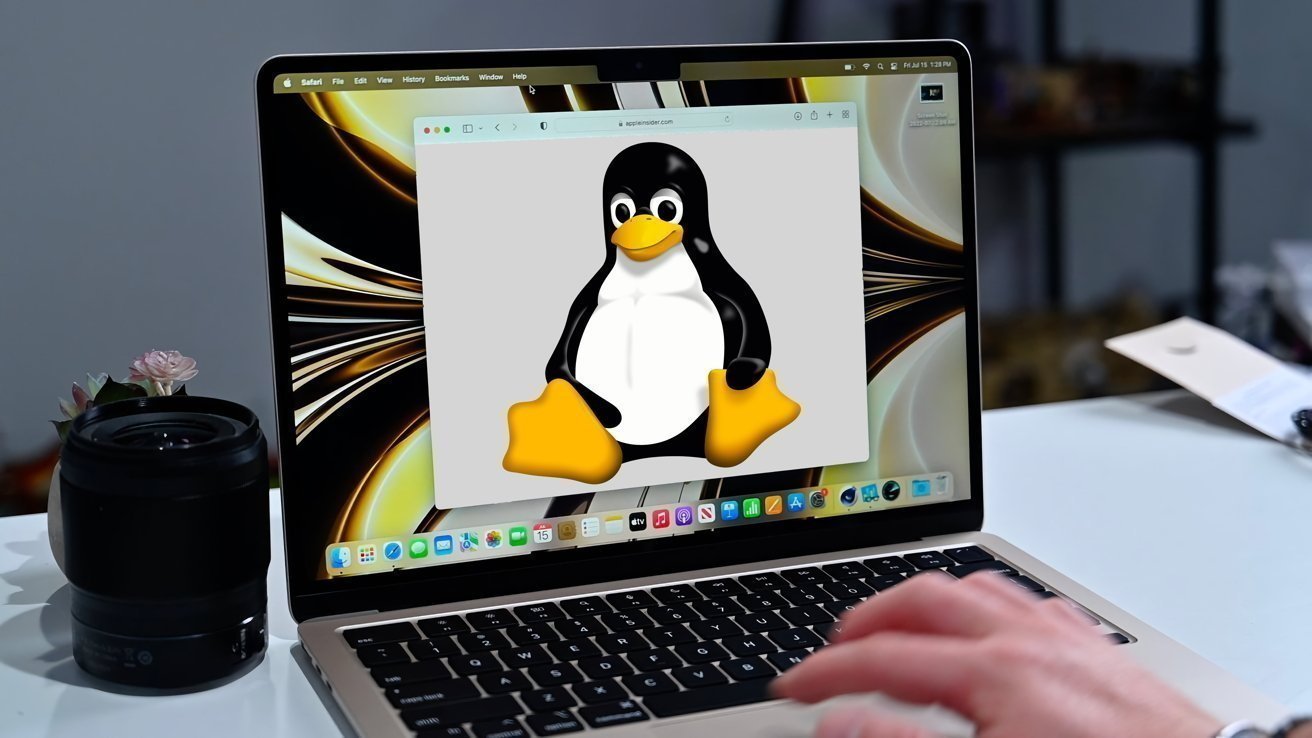
macOS 27 Boot Drive Bug Is Causing Serious Problems for Multi-OS Mac Users
Apple's macOS releases are typically celebrated for their stability and polish, but every so often a significant bug slips through that catches a subset of users completely off guard. That appears to be exactly what has happened with macOS 27, which contains what looks like a serious regression affecting the ability to select alternate boot drives or partitions. While most everyday Mac users will never notice the issue, for those who rely on dual-booting or multi-OS configurations — particularly Asahi Linux users — this bug is causing real disruption.
What Exactly Is the macOS 27 Boot Drive Bug?
At its core, the problem revolves around how macOS 27 handles boot volume detection. Apple appears to have changed the underlying logic that both the Boot Picker and the Startup Disk system preference use to identify valid operating system boot volumes. Under normal circumstances, these tools scan connected drives and partitions, then present the user with a list of valid systems they can boot into. In macOS 27, that detection mechanism seems to be misfiring for some configurations.
The result is that users with multiple operating systems installed on their Mac — whether on separate partitions or separate drives entirely — are finding that their alternate boot options simply do not appear. The system either fails to recognize the volumes as valid boot targets or refuses to present them in the selector interface altogether. This effectively locks affected users into booting exclusively from their primary macOS volume, with no straightforward way to switch.
It is worth emphasizing that this is not a hardware failure, a storage problem, or a corrupted drive. The operating systems and data on those alternate volumes remain intact. The issue is entirely within macOS 27's detection and presentation logic — which, in theory, also means it is the kind of bug that Apple can address through a software update.
Why Asahi Linux Users Are Hit the Hardest
While the bug affects anyone attempting to use multiple boot partitions on a Mac running macOS 27, the community feeling the pain most acutely right now is the Asahi Linux user base. Asahi Linux is a project dedicated to porting the Linux kernel and a full Linux desktop environment to Apple Silicon Macs — the machines powered by Apple's M-series chips, from the M1 through to current generations.
Running Linux on Apple Silicon is a technically impressive achievement and one that a growing number of enthusiasts, developers, and power users have embraced. The typical setup involves a dual-boot configuration where macOS occupies one partition and Asahi Linux occupies another. Users then select which operating system to launch at startup using Apple's Boot Picker or the Startup Disk utility in System Settings.
With macOS 27 breaking that selection mechanism, Asahi Linux users are finding themselves unable to boot into their Linux environment through the normal interface. The Asahi Linux project flagged the issue publicly in a post to Mastodon, warning its community that Apple has changed how the boot picker and Startup Disk applications detect valid OS boot volumes. For a project that depends heavily on interoperability with Apple's own boot infrastructure, this kind of change — whether intentional or accidental — has an outsized impact.
Is This a Deliberate Change or an Accidental Bug?
That question is at the center of much of the community discussion around this issue. Apple has not made any public statement about the change, which makes it difficult to determine whether this was an intentional modification to boot volume detection behavior or an unintended side effect of other work done for macOS 27.
Arguments can be made either way. On one hand, Apple has historically been cautious about modifications to its secure boot infrastructure, and a change in detection logic could have been part of broader security hardening work. On the other hand, breaking user-facing functionality like Startup Disk in a way that produces no obvious error message or explanation feels more consistent with an accidental regression than a deliberate policy decision.
For now, the most reasonable interpretation — absent any statement from Apple — is that this is a bug, and that a fix will be issued in an upcoming point release of macOS 27. However, users who depend on alternate boot configurations should be aware of the problem before updating.
What Should Affected Users Do Right Now?
If you are running macOS 27 and rely on a dual-boot setup, there are a few practical steps worth considering while waiting for an official fix.
- Hold off on updating if you have not yet moved to macOS 27 and dual-booting is critical to your workflow. Staying on your current macOS version until a patch is released is the simplest way to avoid the issue entirely.
- Check the Asahi Linux community for workarounds. The project's developers are actively monitoring the situation and may publish interim guidance or tools to help users regain access to their Linux partitions without relying on Apple's broken detection logic.
- Submit feedback to Apple through the Feedback Assistant app. The more users who report the issue with detailed system information, the higher the likelihood that Apple prioritizes a fix in the next macOS 27 point update.
- Avoid making changes to your partition structure until the bug is resolved, as doing so under a broken boot environment could introduce additional complications.
The Bigger Picture: Linux on Apple Silicon
This bug arrives at a moment when Linux on Apple Silicon is more capable and more popular than it has ever been. The Asahi Linux project has made remarkable progress in supporting Apple's custom hardware, including GPU acceleration, audio, and peripheral connectivity that once seemed out of reach for a community-driven effort. The user base has grown steadily as developers and Linux enthusiasts look for ways to combine Apple's world-class hardware with the flexibility and openness of Linux.
Incidents like this one serve as a reminder of the fundamental tension in that setup: Linux on Apple Silicon is always operating in an environment that Apple controls at the firmware and boot level. Changes to macOS — even small, low-level ones — can have cascading effects on the Linux experience in ways that neither Apple nor the Asahi project can always anticipate in advance.
What to Expect Going Forward
Apple typically moves quickly to address regressions that affect core system functionality, and boot drive selection is about as core as it gets. A macOS 27 point update addressing this issue would not be surprising in the near term, though there is no confirmed timeline. In the meantime, users are encouraged to stay informed through both the Asahi Linux project's official channels and Apple's own support pages for the latest guidance on navigating this frustrating but likely temporary setback.
For the majority of Mac users who run a single operating system on their machine, macOS 27 remains a feature-rich and capable update. But for the growing community of users pushing their Apple Silicon hardware beyond its intended boundaries, patience — and a careful eye on release notes — is the order of the day.