
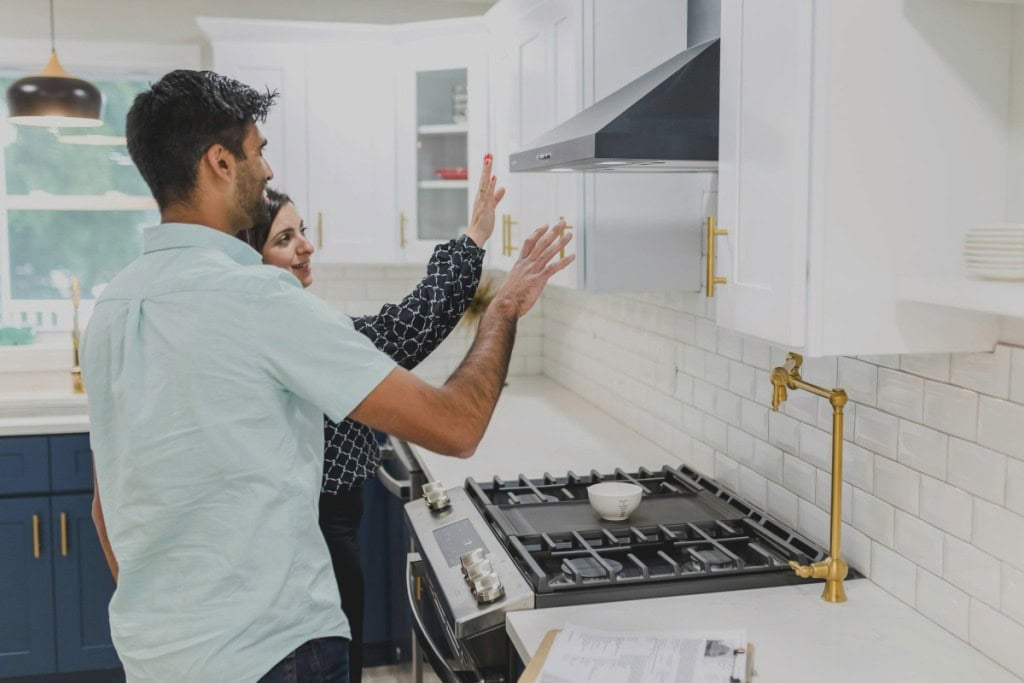
How to Know if a House is Overpriced
Buying a home is one of the most significant financial decisions most people will ever make. When you find a property you love, it can be tempting to move fast — but paying too much could haunt you for years. Knowing how to spot an overpriced house before you sign anything is a skill every buyer needs, whether you're purchasing your first home in Bellevue, WA or eyeing a vacation property in Largo, FL. This guide walks you through the clearest warning signs, the tools you should be using, and the questions you need to ask before making an offer.
Why Overpriced Homes Are More Common Than You Think
In a competitive housing market, sellers naturally want top dollar for their properties. Listing prices are set by sellers and their agents — not by objective market value. That means a home can be listed at virtually any price, regardless of what it's actually worth. Emotional attachment, recent renovations, or simply wishful thinking can all lead sellers to overprice their homes. The result? Buyers who don't do their homework risk overpaying by tens of thousands of dollars.
Understanding the difference between a home's list price and its fair market value is the foundation of smart home buying. Market value is determined by what comparable homes in the same area have recently sold for — not what the seller hopes to get.
Key Signs That a House Is Overpriced
1. It's Been Sitting on the Market Too Long
One of the most reliable red flags is a listing that has lingered on the market well beyond the average days on market (DOM) for that area. In a healthy market, well-priced homes sell quickly. If a house has been listed for 60, 90, or even 120 days without an accepted offer, the market is telling you something the seller may not want to admit. Always check the listing history — if the price has already been reduced once or twice, that's further confirmation the original price was too high.
2. The Price Doesn't Match Comparable Sales (Comps)
Comparable sales — commonly called "comps" — are recently sold homes that are similar in size, condition, age, and location to the property you're considering. Running comps is the most fundamental way to evaluate whether a listing is fairly priced. Look for homes that sold within the last three to six months, ideally within a one-mile radius. If the house you're eyeing is priced 10–20% above what similar homes have actually sold for, that's a significant overprice signal.
3. The Price Per Square Foot Is Way Above the Neighborhood Average
Another quick metric to check is price per square foot. Divide the listing price by the home's square footage, then compare that number to recently sold homes in the same neighborhood. If a home's price per square foot is substantially higher than the local average without a clear justification — like a brand-new renovation or an exceptional lot — it's likely overpriced.
4. The Listing Relies Heavily on "Potential"
Be cautious when a listing description leans heavily on phrases like "great bones," "investor special," or "priced to reflect future value." These can be signs that the seller is pricing the home based on what it could be worth after improvements — not what it's worth today. You should only pay for the value a property has right now, not the value you'd have to invest significant time and money to create.
5. It Appraises Below the Asking Price
If you've already made an offer and the home appraises for less than the purchase price, that's a formal, professional signal that the home is overpriced. Lenders base mortgage approval on appraised value, not list price. A low appraisal gives you important negotiating leverage — and in many cases, it protects you from financing more than the home is actually worth.
Tools You Can Use to Evaluate a Home's Value
Fortunately, today's buyers have access to a wide range of resources to help them assess fair market value before making an offer.
- Online valuation tools: Platforms like Redfin offer automated estimate tools that pull in real-time market data, recent sales, and neighborhood trends to give you a ballpark value for any property.
- Public records: County assessor websites often list assessed values and recent sale prices, which can help contextualize a listing's price.
- Your real estate agent: An experienced buyer's agent can pull a formal Comparative Market Analysis (CMA) — a detailed report comparing the home to recent sales in the area. This is one of the most powerful tools available to buyers and it's typically free.
- Professional appraisals: If you're serious about a property but uncertain about the price, you can hire an independent appraiser before making an offer for a detailed, unbiased assessment.
Questions to Ask Before You Make an Offer
Beyond the data, there are a few direct questions worth raising with your agent or the seller's agent before you commit to a price.
- How long has the home been on the market, and has the price changed?
- Have there been any previous offers that fell through, and if so, why?
- What were the most recent comparable sales in this neighborhood?
- Are there any known issues with the property that could affect its value?
- How motivated is the seller, and are they open to negotiation?
The answers to these questions won't just tell you whether a house is overpriced — they'll also tell you how much room you have to negotiate and whether the deal makes sense at all.
What to Do If You Believe a House Is Overpriced
If the evidence suggests a home is overpriced, you have several options. You can make a lower offer supported by comps and data, giving the seller a clear, fact-based rationale for the price you're proposing. You can also walk away and continue your search. In a market with limited inventory, it can feel difficult to pass on a home you love — but overpaying for real estate can mean years of being underwater on your mortgage or struggling to sell at a profit down the road.
Never let emotion override the numbers. A great home at the wrong price is still the wrong decision.
The Bottom Line
Knowing how to recognize an overpriced house is one of the most valuable skills a homebuyer can develop. By checking days on market, running comps, evaluating price per square foot, and leveraging the right tools and professional guidance, you can protect yourself from overpaying and make a confident, well-informed offer. The housing market can be complicated — but with the right knowledge, you'll always know exactly what a home is truly worth.