
Why Rising Gas Prices Are About More Than Just Filling Your Tank
Most Americans notice gas prices the moment they pull into a station. The number on the sign is immediate, visible, and personal. But economists and industry analysts have long warned that the true cost of expensive gasoline doesn't stop at the pump. Petroleum is one of the most versatile raw materials in the modern economy, and when its price rises or its supply contracts, the effects cascade across virtually every sector — from the food on your grocery store shelf to the plastic packaging it comes in.
Understanding why gas prices affect so much more than driving is essential for any household trying to navigate inflation, and for anyone following the policy debates shaping America's energy future.
Petroleum Is Everywhere — Not Just in Your Gas Tank
It's easy to think of oil and gas as transportation fuels. In reality, crude oil is the raw ingredient for an enormous range of products that touch daily life in ways most people never consider. Refineries don't just produce gasoline and diesel — they produce feedstocks that manufacturers use to create thousands of goods.
- Plastics and packaging: Nearly every piece of plastic in your home — bottles, bags, containers, electronics casings — is derived from petroleum-based polymers. When crude prices rise, plastic manufacturing becomes more expensive almost immediately.
- Fertilizers and agriculture: Natural gas, which is closely linked to oil markets, is the primary feedstock for nitrogen-based fertilizers. More expensive energy means more expensive fertilizer, which means higher food production costs across the board.
- Pharmaceuticals: Many medications and medical supplies depend on petrochemical compounds during their manufacturing process. Supply constraints in oil markets can quietly push up the cost of healthcare products.
- Synthetic fabrics: Polyester, nylon, and other common clothing materials are petroleum derivatives. A sustained rise in oil prices eventually shows up in retail clothing prices.
- Asphalt and road construction: Infrastructure projects rely heavily on bitumen, another petroleum byproduct. When oil is expensive, road repair and construction budgets stretch thinner.
The list goes on. Cosmetics, adhesives, detergents, paint, and even some food additives all have petroleum in their supply chain. This is why energy economists speak about oil as a foundational input cost — its price is embedded in the price of nearly everything.
The Transportation Multiplier Effect
Even for goods that don't contain petroleum as a physical ingredient, high gas prices still drive up costs through transportation. Virtually every product sold in America is moved by truck, train, ship, or plane at some point in its journey from factory to consumer. Freight carriers operate on diesel fuel, and when diesel prices climb, shipping rates rise. Those higher freight costs are passed on to wholesalers, then to retailers, and finally to you.
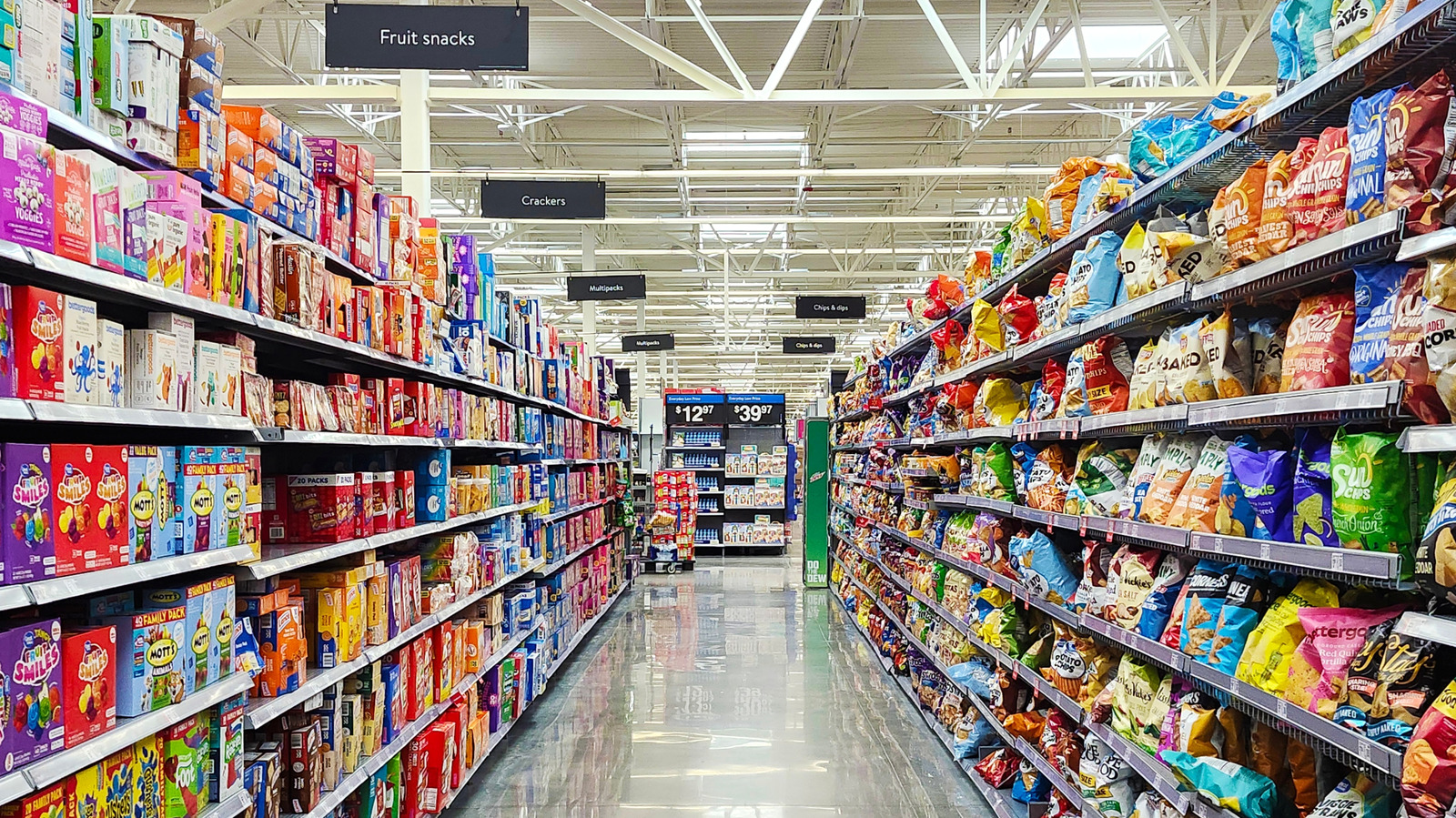
This transportation multiplier is one reason that food prices are so sensitive to energy markets. A head of lettuce might be grown in California, packed in plastic film, cooled in refrigeration systems, and trucked thousands of miles — all of which consume energy derived from petroleum. By the time it reaches a store in Ohio, it has traveled through multiple layers of fuel-dependent logistics. Any sustained increase in fuel costs finds its way into the price tag.
Supply Restrictions and the Economics of Scarcity
One of the core principles of economics is straightforward: when supply falls while demand stays constant, prices rise. This principle applies as directly to petroleum as it does to anything else. Policies or market conditions that restrict domestic oil and gas production — whether through limiting drilling permits, reducing refinery capacity, or discouraging investment in exploration — reduce available supply. The result, all else being equal, is upward pressure on prices.
This dynamic is at the center of ongoing policy debates in the United States. Critics of certain energy regulations argue that restricting domestic production simply shifts purchasing to foreign suppliers, often at higher prices and with less environmental oversight. Proponents of those same regulations argue that long-term investment in renewable energy reduces dependence on volatile oil markets altogether. Both arguments acknowledge the same underlying economic reality: supply matters, and constraining it has consequences.
Who Gets Hurt Most When Energy Gets Expensive?
The burden of rising energy and commodity prices is not evenly distributed. Lower-income households spend a significantly larger share of their income on energy, food, and transportation than wealthier households do. When petroleum prices rise and those costs spread through the economy, families with tighter budgets feel the squeeze first and most acutely.
This is why energy price policy is also, fundamentally, an economic equity issue. The debate over gas prices is not merely about what drivers pay at the pump — it is about the cost of groceries, the price of winter heating, the affordability of goods that depend on plastic packaging, and the accessibility of products that require freight transport to reach rural and suburban communities.
The Bigger Picture: Energy Policy and Everyday Costs
Whether the conversation is about domestic drilling, refinery capacity, international supply agreements, or the transition to clean energy, the stakes extend well beyond the forecourt of a gas station. Petroleum's role as a foundational input in the modern economy means that decisions made in Washington, in statehouses, and in corporate boardrooms about energy supply have tangible consequences for household budgets across the country.
Being an informed consumer and voter means understanding that connection — and recognizing that when someone talks about the price of oil, they are really talking about the price of almost everything.