
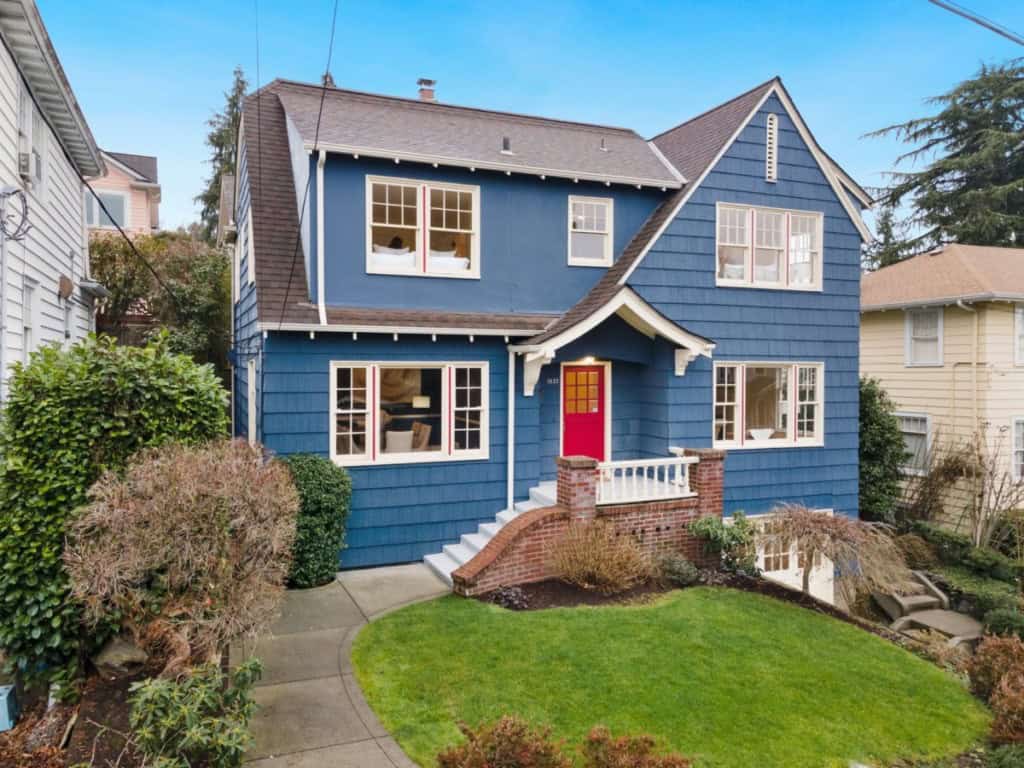
How Does Rent-To-Own Work? A Complete Guide for Aspiring Homeowners
For many Americans, the dream of owning a home feels just out of reach. Whether it's a credit score that needs work, a down payment that isn't quite there yet, or simply uncertainty about committing to a neighborhood, the traditional path to homeownership doesn't fit everyone's situation. That's where rent-to-own agreements come in. But how does rent-to-own work, exactly — and is it the right move for you?
This guide breaks down everything you need to know about rent-to-own homes, from how the process works and what it costs, to the benefits and risks involved.
What Is a Rent-To-Own Agreement?
A rent-to-own agreement — sometimes called a lease-option or lease-purchase agreement — is a contract that allows you to rent a home for a set period of time with the option, or in some cases the obligation, to purchase the property at the end of the lease. Unlike a standard rental, part of your monthly payment may go toward building equity or a future down payment, and the purchase price is typically locked in at the time you sign the agreement.
This arrangement can be especially attractive in a volatile housing market, where prices are rising quickly. By locking in today's price, you could potentially save tens of thousands of dollars by the time you're ready to buy.
The Two Types of Rent-To-Own Agreements
Before signing anything, it's important to understand that not all rent-to-own contracts are the same. There are two main types:
Lease-Option Agreement
With a lease-option agreement, you have the option to purchase the home at the end of the rental period, but you are not legally required to do so. If you decide not to buy, you can walk away — though you will typically forfeit the upfront option fee and any rent credits that were accumulated.
Lease-Purchase Agreement
A lease-purchase agreement is more binding. In this arrangement, you are generally obligated to buy the home at the end of the lease term. Backing out could expose you to legal and financial consequences. This type of contract requires careful review before signing, ideally with the help of a real estate attorney.
How the Rent-To-Own Process Works Step by Step
Understanding the mechanics of a rent-to-own deal helps you evaluate whether it makes financial sense for your situation. Here's a typical breakdown of how the process unfolds:
- Step 1 — Find a rent-to-own property: Not every seller offers this arrangement. You can search specifically for rent-to-own listings, work with a real estate agent experienced in these deals, or approach a homeowner directly about the possibility.
- Step 2 — Negotiate and sign the agreement: The contract will outline the rental period (usually one to three years), the agreed-upon purchase price, the option fee, and how much of your monthly rent (if any) goes toward the purchase.
- Step 3 — Pay the option fee: At signing, you'll pay an upfront option fee, which typically ranges from 1% to 7% of the home's agreed purchase price. This fee is usually non-refundable but is often credited toward the purchase price if you proceed with buying.
- Step 4 — Make monthly rent payments: During the lease period, you pay rent as you normally would. In many agreements, a portion of your monthly payment — called a "rent credit" — is set aside and applied toward your future down payment or purchase price.
- Step 5 — Decide whether to buy: When the lease term ends, you can exercise your option to purchase the home using the locked-in price, your accumulated rent credits, and whatever financing you've secured. If you've secured a mortgage during this period, you're ready to close.
Who Is Rent-To-Own a Good Fit For?
Rent-to-own isn't for everyone, but it can be a smart strategy in certain circumstances. Consider this path if you fall into one of the following categories:
You Need to Build or Repair Your Credit
Mortgage lenders typically require a minimum credit score to qualify for a home loan. If your credit needs improvement, a rent-to-own agreement gives you a window of one to three years to pay down debt, correct errors on your credit report, and establish a stronger financial profile before applying for a mortgage.
You Want to Lock In a Purchase Price
In a rising real estate market, locking in today's price can be a significant financial advantage. If home values in your area are appreciating quickly, agreeing on a price now means you won't pay more later — even if the market moves substantially upward during your lease period.
You're Still Saving for a Down Payment
Coming up with a 10% or 20% down payment is one of the biggest hurdles for first-time buyers. A rent-to-own arrangement buys you time to save, and the rent credits built into many contracts actively contribute to that goal with each monthly payment.
You Want to Test a Neighborhood Before Committing
Living in a home before you own it gives you an invaluable first-hand experience of the neighborhood, the commute, the local schools, and even the quirks of the property itself. You're less likely to have buyer's remorse when you've already lived the reality.
Potential Risks and Drawbacks to Be Aware Of
While rent-to-own can be a bridge to homeownership, it comes with real risks that every buyer should weigh carefully.
- You could lose your option fee and rent credits if you decide not to buy or can't secure financing at the end of the lease.
- The locked-in price could work against you if home values fall during your rental period, leaving you obligated to pay more than market value.
- Maintenance responsibilities may fall on you as the renter, depending on the terms of the agreement — an unusual burden for someone who doesn't yet own the home.
- Predatory contracts do exist. Some sellers use rent-to-own arrangements to take advantage of buyers who don't read the fine print. Always have a real estate attorney review any agreement before signing.
Is Rent-To-Own Worth It?
The answer depends entirely on your personal financial situation, your local housing market, and the specific terms of the contract. When structured fairly, a rent-to-own agreement can be a legitimate and empowering bridge to owning your own home. It offers time to strengthen your finances, the security of a locked-in price, and the chance to truly know a home before you commit to buying it.
That said, entering into one of these agreements without professional guidance is a risk. Work with a knowledgeable real estate agent and a real estate attorney, read every line of the contract, and make sure the terms genuinely serve your long-term interests. With the right preparation, rent-to-own could be the stepping stone that turns your homeownership dream into a reality.