
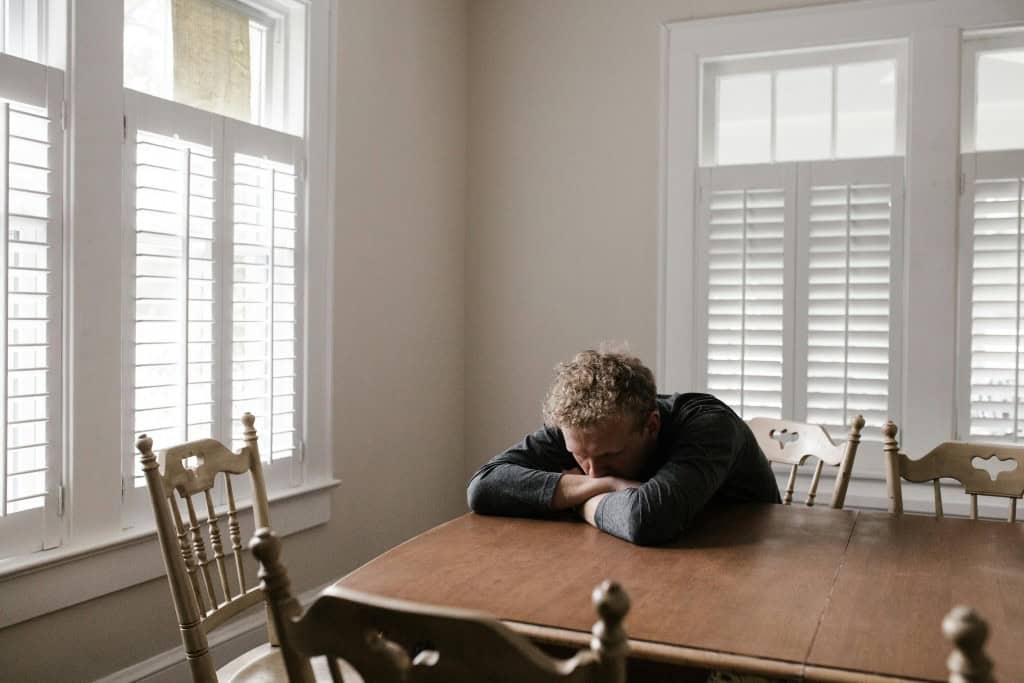
What Is Home Buyer's Remorse?
Buying a home is one of the most significant financial and emotional commitments you will ever make. The journey from your first open house to the moment you hold the keys is filled with excitement, stress, and dozens of high-stakes decisions. But for many new homeowners, the celebration is short-lived. Once the dust settles and the adrenaline fades, a nagging sense of doubt can take over. That feeling has a name: home buyer's remorse.
Home buyer's remorse is the anxiety or regret that some people experience after purchasing a property. It does not necessarily mean you made the wrong decision — in many cases, it is simply an emotional reaction to the weight of such a large commitment. However, when left unexamined, it can cause real stress and second-guessing that affects your quality of life. Understanding where it comes from is the first step to overcoming it.
Common Causes of Buyer's Remorse After Buying a House
Home buyer's remorse rarely appears out of nowhere. There are several common triggers that can cause a new homeowner to question their purchase, and recognizing them can help you address the feeling head-on.
Overstretching Your Budget
One of the most frequent causes of buyer's remorse is financial pressure. When buyers stretch beyond their comfortable budget to win a bidding war or secure a home in a competitive market, the reality of monthly mortgage payments, property taxes, and maintenance costs can quickly become overwhelming. If your housing costs leave you with little breathing room, anxiety is a natural response.
Rushing the Decision
In fast-moving real estate markets, buyers often feel pressured to act quickly. When inventory is low and competition is fierce, the fear of losing a home can push buyers to make an offer before they have fully thought through whether the property truly meets their needs. Decisions made in haste are far more likely to lead to regret later.
Unmet Expectations
Sometimes a home looks perfect during a showing but tells a different story once you move in. Issues like noisy neighbors, unexpected repair needs, longer commute times, or a neighborhood that feels different day-to-day can all contribute to a sense of disappointment. When reality does not match the vision you had during the buying process, regret can follow.
Fear of the Unknown
For first-time buyers especially, homeownership comes with a steep learning curve. Suddenly being responsible for a roof, HVAC system, plumbing, and all the other components of a home can feel daunting. The shift from renting — where repairs were someone else's problem — to owning can trigger anxiety even when the home itself is perfectly sound.
Warning Signs You May Be Experiencing Buyer's Remorse
It helps to know what buyer's remorse actually looks like so you can identify it early and take steps to manage it. Common signs include:
- Constantly second-guessing whether you paid too much for the property
- Fixating on other homes you considered and comparing them unfavorably to your purchase
- Feeling anxious or stressed when thinking about your mortgage or home expenses
- Struggling to feel excited or happy about the new home, even in the early weeks
- Wondering whether you should have waited longer to buy or chosen a different neighborhood
Experiencing one or more of these feelings does not automatically mean you made the wrong choice. It often means you are processing a major life change, which is completely normal.
How to Avoid Home Buyer's Remorse Before It Starts
The good news is that buyer's remorse is largely preventable with the right approach to the home buying process. Whether you are searching for a home in Dallas, TX or Baltimore, MD, these strategies can help you move forward with confidence.
Set a Realistic Budget and Stick to It
Before you start touring homes, get pre-approved for a mortgage and establish a firm budget ceiling. Factor in not just the mortgage payment but also property taxes, homeowner's insurance, HOA fees if applicable, and a monthly reserve for maintenance and repairs. Staying within a budget that feels comfortable — rather than one that maxes out your borrowing power — gives you financial breathing room and peace of mind after closing.
Take Your Time and Do Your Research
Resist the pressure to rush. Visit neighborhoods at different times of day and on different days of the week. Research local schools, commute times, nearby amenities, and long-term development plans for the area. The more informed you are going into the purchase, the less likely you are to be caught off guard once you move in.
Get a Thorough Home Inspection
A professional home inspection is one of the most valuable investments you can make in the buying process. An inspector will identify any existing or potential issues with the property, giving you a clear picture of what you are taking on. Knowing about a worn roof or aging water heater before closing — rather than discovering it afterward — eliminates a major source of post-purchase regret.
Make a Needs vs. Wants List
Write down your non-negotiables before you begin your search. How many bedrooms do you need? Is a home office essential? Do you require proximity to public transportation? Having a clear list of priorities keeps you grounded when emotions run high and helps you evaluate each property objectively rather than getting swept up in staging or curb appeal.
Work With a Trusted Real Estate Agent
An experienced real estate agent brings market knowledge, negotiation skills, and an objective perspective to the table. A good agent will help you avoid overpaying, ask the right questions about a property's history, and ensure you have all the information you need to make a sound decision — not just an emotional one.
What to Do If You Are Already Experiencing Buyer's Remorse
If you are already feeling regret after your purchase, take a step back before catastrophizing. Start by writing down the reasons you wanted this home in the first place. Revisit your original must-have list and check off how many boxes the property actually meets. More often than not, the home checks more boxes than you are giving it credit for in a moment of stress.
Give yourself time to settle in. Many new homeowners report that buyer's remorse fades significantly within the first few months as they become more familiar with their home, their neighborhood, and the rhythms of homeownership. Personalizing your space through decorating, landscaping, or small renovations can also help shift your perspective from anxiety to pride of ownership.
If financial concerns are at the root of your remorse, consider speaking with a financial advisor to review your overall budget and identify ways to manage costs more effectively. Proactive planning almost always feels better than passive worry.
The Bottom Line
Home buyer's remorse is a common experience, but it does not have to define your homeownership journey. By setting a clear budget, doing thorough research, leaning on trusted professionals, and giving yourself grace after the purchase, you can move through any post-closing anxiety and arrive at a place of genuine satisfaction. Buying a home is a major milestone — with the right preparation, it can be one you look back on with pride rather than regret.