
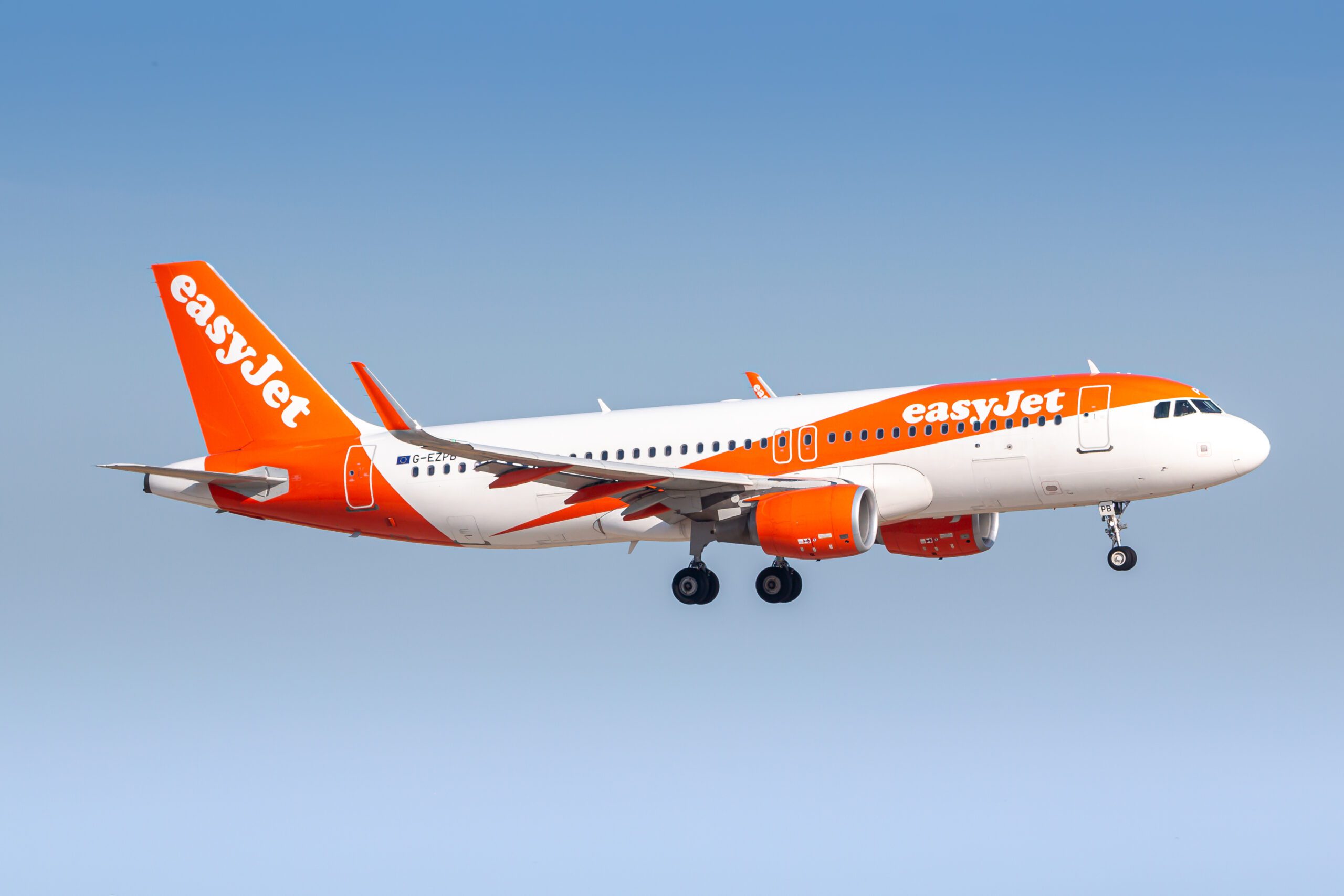
Castlelake Tables £4.74 Billion Offer to Take EasyJet Private
In one of the most closely watched aviation finance stories of 2026, Minneapolis-based alternative investment firm Castlelake has gone public with the full details of its ambitious plan to acquire British low-cost carrier EasyJet. The firm has confirmed a £4.74 billion (approximately US $6.3 billion) takeover package, valuing EasyJet shares at £6.25 each. The move marks a significant escalation in what has become a persistent — and so far unrequited — courtship between one of America's most prominent alternative investment firms and one of Europe's most recognisable budget airlines.
Despite the scale and specificity of the offer, EasyJet's board of directors has shown little appetite for the deal. Castlelake has now had three separate non-binding proposals rejected, yet it has chosen to bring its bid into the public spotlight rather than walk away — a tactic that signals the firm believes there is real value on the table and that shareholders deserve to hear the details directly.
Who Is Castlelake and Why Does It Want EasyJet?
Castlelake is a Minneapolis-headquartered alternative investment firm with a strong track record in asset-intensive industries, including aviation. The firm manages billions of dollars in assets and has historically focused on opportunities where it can unlock value through restructuring, recapitalisation, or strategic repositioning. Aviation is a sector Castlelake knows well, having invested in aircraft leasing and airline-related assets for years.
The appeal of EasyJet to a firm like Castlelake is relatively straightforward to understand. EasyJet is one of Europe's leading low-cost carriers, operating hundreds of routes across the continent and holding a strong brand position with millions of loyal passengers. However, like many airlines in the post-pandemic era, EasyJet has faced ongoing pressure from rising operational costs, fuel price volatility, and increasing competition. For a well-capitalised private equity-style investor, that environment can represent an opportunity to acquire a fundamentally strong business at a price that reflects near-term headwinds rather than long-term potential.
Taking EasyJet private would also give Castlelake the freedom to implement strategic changes without the scrutiny and short-term pressures that come with being a publicly listed company. Away from quarterly earnings calls and shareholder activism, the firm could invest in fleet upgrades, route optimisation, and operational efficiencies on a longer time horizon.
A Timeline of the Takeover Bid
Castlelake first made its intentions known at the end of May 2026, when it confirmed it was exploring a potential acquisition of EasyJet. At that stage, the firm was careful to note that it had not yet formally approached EasyJet's board, framing the announcement as an expression of interest rather than a concrete offer.
Since that initial signal, events have moved quickly — and repeatedly hit a wall. Castlelake has now submitted three separate non-binding proposals to EasyJet's board of directors, and on each occasion the board has rejected the advances. The board has not publicly disclosed its reasoning in detail, but it is common in takeover situations for boards to argue that incoming bids undervalue the company or do not reflect its future growth prospects.
The decision by Castlelake to go public with the terms of its most recent £6.25-per-share offer appears to be a calculated move to apply pressure. By making the details available to the market, Castlelake is effectively appealing directly to EasyJet shareholders, inviting them to judge for themselves whether the board's repeated rejections are in their best financial interests.
What Does £6.25 Per Share Mean for EasyJet Investors?
The offer price of £6.25 per share is likely to be scrutinised closely by EasyJet's investor base. Whether it represents fair value depends on how shareholders view EasyJet's intrinsic worth and future earnings potential. Takeover premiums are typically assessed against the undisturbed share price — the price before any rumours or announcements of a bid began circulating — and investors will be weighing the certainty of a cash exit against the uncertainty of continuing to hold shares in a listed airline navigating a challenging operating environment.
For institutional shareholders in particular, the calculus can be complex. Some may welcome the liquidity and the premium on offer. Others may believe EasyJet's management team has a credible standalone strategy that will ultimately deliver more value than Castlelake's current bid implies. The board's position, in rejecting three proposals, suggests it falls firmly in the latter camp — at least for now.
What Happens Next in the EasyJet Takeover Saga?
The situation remains fluid. Under UK takeover rules, there are strict timelines and disclosure requirements that govern how potential acquirers and target companies must behave once a public interest has been declared. Castlelake will face regulatory deadlines around whether it formalises a firm offer or walks away, and EasyJet's board will need to continue engaging transparently with shareholders about its reasons for rejecting bids.
There is also the possibility that other potential suitors could emerge. High-profile takeover approaches sometimes act as a catalyst, drawing other interested parties out of the shadows and creating a competitive bidding environment that ultimately pushes the price higher. Whether that happens here remains to be seen.
Key Takeaways
- Castlelake has confirmed a £4.74 billion ($6.3 billion) bid to acquire EasyJet at £6.25 per share.
- The Minneapolis-based alternative investment firm first signalled its interest in EasyJet in late May 2026.
- EasyJet's board has now rejected three separate non-binding proposals from Castlelake.
- By going public with the offer details, Castlelake appears to be appealing directly to EasyJet shareholders.
- The outcome of the bid remains uncertain, with regulatory timelines and potential rival suitors adding further complexity.
What is clear is that Castlelake is not going away quietly. The decision to publish the full terms of its £4.74 billion package, despite three board rejections, sends an unambiguous message: the firm believes EasyJet is worth owning, it believes £6.25 per share is a compelling price, and it is prepared to make that case publicly. Whether EasyJet's board ultimately comes to the table — or whether shareholders force the issue — this story has several chapters left to run.