
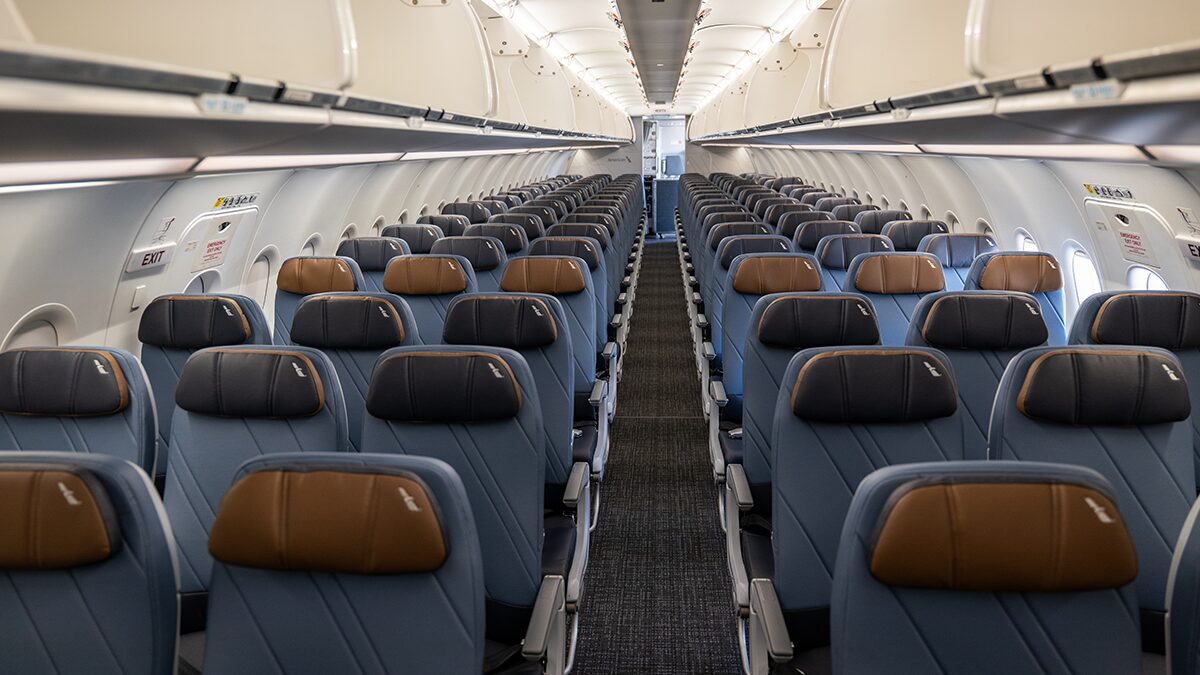
American Airlines' Retrofitted A320 Takes to the Skies — And the Details Matter
American Airlines has officially put its first retrofitted Airbus A320 into service, and the early verdict is exactly what frequent flyers have come to expect from the carrier: a genuine upgrade in the premium cabin paired with a trade-off that economy passengers will feel in their knees. The new configuration brings expanded First Class seating, modernized overhead bins, and a sharper overall cabin aesthetic — but it does so without removing any coach seats, meaning the back of the plane gets a little more crowded in the process.
If you've been watching American Airlines' fleet strategy closely, this milestone has been a long time coming. The airline issued a press release about its A319 and A320 retrofit program that initially seemed to offer little new information — until you understood the timing. The first retrofitted A320 entering revenue service is the proof point the airline needed to validate the entire program, and it signals that more aircraft will follow on an accelerating schedule.
What Exactly Changed Inside the Retrofitted A320?
The retrofit is not a cosmetic touch-up. American Airlines has made meaningful structural and experiential changes to the interior of the A320, and understanding what those changes are helps passengers know what to book — and what to avoid.
Expanded First Class Cabin
The most headline-grabbing change is the addition of more First Class seats. American Airlines has long been pushing to grow its premium revenue, and expanding the First Class cabin on a workhorse narrowbody like the A320 is a direct expression of that strategy. More First Class rows mean more opportunities to upsell passengers, capture corporate travel spend, and generate ancillary revenue through upgrades. For travelers who regularly fly in the front of the plane, this is unambiguously good news — more seats means better availability and potentially more competitive upgrade pricing over time.
Bigger Overhead Bins
One of the most practically significant improvements in the retrofit is the installation of larger overhead bins. Modern air travelers carry more carry-on luggage than ever before, partly because checked bag fees have pushed people to avoid the hold whenever possible. Larger bins mean fewer gate-checked bags, faster boarding, and less of the frantic mid-aisle juggling that delays departures. This upgrade may sound mundane, but any frequent flyer will tell you it meaningfully improves the boarding experience and reduces stress from the moment you step on the plane.
A Refreshed Cabin Aesthetic
The retrofitted A320 also features an updated interior look — cleaner lines, more contemporary finishes, and lighting that aligns with American Airlines' current design language. While aesthetics don't affect legroom or seat width, they do influence the overall perception of quality. A cabin that looks and feels newer instills more confidence in the product, and for a carrier that has faced criticism in recent years for falling behind competitors on the passenger experience front, even visual improvements carry real brand value.
The Coach Cabin Trade-Off: More Premium Seats, Same Economy Count
Here is where the retrofit story gets complicated. Adding more First Class seats without removing any coach seats means the geometry of the cabin has to give somewhere. In practice, that somewhere is the economy section. When you expand the forward cabin without shrinking the total seat count in the back, you either compress the pitch between rows or tighten the configuration in other ways. The result is a coach cabin that, by most accounts, feels incrementally more cramped than before.
This is a familiar formula for American Airlines. The carrier has consistently pursued a dual strategy of premium expansion and high-density economy seating, betting that the revenue gains from selling more business and first class tickets outweigh the reputational cost of tighter coach quarters. Whether that bet pays off depends heavily on the route mix. On short-haul domestic segments where passengers are simply trying to get from one city to another, most travelers accept tighter seating as the price of a lower fare. On longer domestic routes, the calculus becomes more uncomfortable — literally.
Why the Timing of This Announcement Matters
American Airlines' press release about the A319 and A320 retrofit program initially puzzled observers because it didn't appear to announce anything new. The retrofit program had already been disclosed in broad strokes. But the real news embedded in that press release was the confirmation that the first retrofitted A320 had entered service. That transition from announced plan to operational aircraft is significant. It means the retrofit is no longer a promise — it's a product passengers can book today.
It also means the program is on track to scale. Airlines don't retrofit a single aircraft in isolation; they do it to prove out the process, identify installation issues, and prepare supply chains for the full fleet rollout. With the first A320 flying in its new configuration, American Airlines has cleared the critical first hurdle, and more retrofitted aircraft should follow in the months ahead.
What This Means for Travelers Booking American Airlines Flights
If you're a frequent American Airlines flyer or planning to book a domestic trip, here are the practical takeaways from the A320 retrofit news.
- First Class availability may improve gradually as more retrofitted aircraft enter the fleet, giving elite members and upgrade seekers better odds at the front of the plane.
- Overhead bin space will be noticeably better on retrofitted A320s compared to the older cabin configuration, which is a meaningful quality-of-life improvement for carry-on travelers.
- Economy passengers should check the seat map carefully before booking, particularly on longer routes, as the tighter coach configuration may affect comfort on flights exceeding two hours.
- The retrofit applies to both the A319 and A320 fleets, so travelers flying on either aircraft type will eventually see these changes rolled out across American's domestic network.
The Bigger Picture: American Airlines' Fleet Modernization Strategy
The A320 retrofit is one piece of a broader effort by American Airlines to modernize its fleet and realign its cabin products with current market demand. The airline has been investing heavily in premium seating across its widebody long-haul aircraft as well, rolling out new business class suites on international routes while simultaneously upgrading its domestic narrowbody fleet. The underlying thesis is consistent: travelers are willing to pay more for a better seat, and the airline's financial performance improves when it captures that premium revenue more efficiently.
Critics argue that this strategy comes at the expense of the core economy traveler, who represents the majority of passengers on any given domestic flight. Supporters counter that the economics simply work — and that the overhead bin improvements, refreshed cabin aesthetics, and general modernization of the interior benefit all passengers, regardless of which cabin they're sitting in.
What is undeniable is that the first retrofitted American Airlines A320 now flying is a tangible sign that the carrier is moving forward with a clear plan. Whether that plan fully serves every type of traveler remains a fair question — but for those flying up front, the answer is already looking more comfortable.