
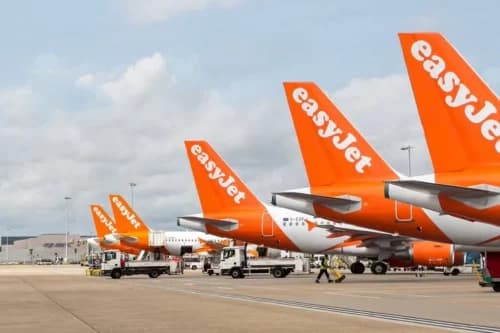
Castlelake Takes £4.7bn easyJet Takeover Bid Directly to Shareholders
The proposed takeover of easyJet by US investment fund Castlelake has entered a dramatic new phase. After the airline's board rejected three successive takeover proposals, Castlelake has chosen to bypass the boardroom entirely and take its case straight to easyJet's shareholders. With a regulatory deadline looming and patience apparently exhausted, the American fund is now applying direct public pressure in what has become one of the most closely watched corporate battles in the UK aviation sector in recent years.
What Is the Castlelake Takeover Bid for easyJet?
Castlelake is a US-based alternative investment management firm with significant experience in aviation asset financing. The fund has set its sights on acquiring easyJet, one of Europe's largest and most recognisable low-cost carriers, in a deal that would take the airline private and hand control to American institutional investors.
The most recent proposal, which valued easyJet at approximately £4.7 billion, was made at a price of 625 pence per share. This was not Castlelake's first attempt. The fund had previously tabled offers of 560p and 600p per share, both of which were rejected by the easyJet board without meaningful engagement. The third and latest bid at 625p met the same fate — a flat rejection — prompting Castlelake to make the proposal public ahead of a Friday deadline by which a formal offer would need to be lodged under UK Takeover Panel rules.
Why Did easyJet's Board Reject the Offers?
easyJet's board has not publicly detailed its full reasoning for rejecting each of the three proposals, but the pattern of rejections suggests the directors believe the offers significantly undervalue the business. Airlines like easyJet have seen considerable recoveries in both passenger numbers and profitability following the disruption of the COVID-19 pandemic, and the board may feel that the company's long-term growth trajectory — including its holiday and package travel arm, easyJet Holidays — is not adequately reflected in any of Castlelake's bids to date.
There is also the question of strategic independence. easyJet is a major British employer and a significant player in European aviation. Taking the company private under the control of a US fund would represent a fundamental shift in its ownership structure, and the board's reluctance to engage may reflect concern about the direction Castlelake would take the airline in the years ahead.
Castlelake's Decision to Go Public: A Pressure Play
By making the 625p proposal public, Castlelake is executing a well-established takeover tactic: speaking directly to the people who actually own the shares. In a statement released alongside the public disclosure, Castlelake noted that it had expected the third proposal to prompt prompt engagement from the easyJet board, and expressed frustration at what it described as an unwillingness to engage meaningfully.
Going public forces shareholders — many of whom are institutional investors managing pension funds, ETFs, and large portfolios — to consider whether the board is acting in their best financial interests by refusing to even discuss the bid. If a significant number of shareholders believe the 625p price represents fair or even attractive value for their holdings, they can put pressure on management to at least open negotiations.
This is a particularly powerful move when a regulatory deadline is in play. Under UK Takeover Panel rules, Castlelake faced a "put up or shut up" deadline by Friday, meaning it either needed to make a formal offer or walk away for a defined cooling-off period. Going public just before that deadline keeps maximum pressure on easyJet and its institutional investors to respond.
What Does the £4.7bn Valuation Mean for easyJet Shareholders?
For individual shareholders and institutional investors holding easyJet stock, the 625p per share offer will need to be weighed against the current market price and the company's own forward guidance. A takeover premium — the additional amount an acquirer offers above the prevailing share price — is typically the key metric shareholders use to evaluate whether a bid represents genuine value.
If 625p represents a meaningful premium over easyJet's recent trading range, some shareholders may feel pressure to push the board towards engagement, even if they ultimately want a higher final price. Conversely, if the board's refusal signals confidence in delivering superior returns through continued independent operation, long-term shareholders may be content to wait.
What Happens Next?
The situation is fast-moving. The Friday deadline created an immediate fork in the road: Castlelake could formalise its offer, forcing a full shareholder vote process, or step back and allow a mandatory standstill period before returning with a revised approach. By going public, Castlelake appears to be signalling genuine intent rather than a tactical withdrawal.
If Castlelake does proceed with a formal offer, easyJet's board would typically be required to make a recommendation to shareholders and publish a detailed response document outlining its view on whether the offer is fair. Independent financial advisers would be appointed, and shareholders would ultimately have the final say on whether the company changes hands.
The Bigger Picture: Consolidation in European Aviation
The attempted Castlelake takeover of easyJet sits within a broader trend of consolidation and private equity interest in European aviation. Low-cost carriers have proven resilient post-pandemic, and their combination of strong brand recognition, established route networks, and improving margins makes them attractive targets for well-capitalised investors looking for long-term returns.
Whether easyJet ultimately agrees to a deal — at 625p or a higher revised figure — or successfully fends off Castlelake's advances, this takeover saga is far from over. Shareholders, aviation watchers, and frequent flyers alike will be watching closely to see how one of Europe's most iconic budget airlines responds to one of the most significant ownership challenges in its history.