
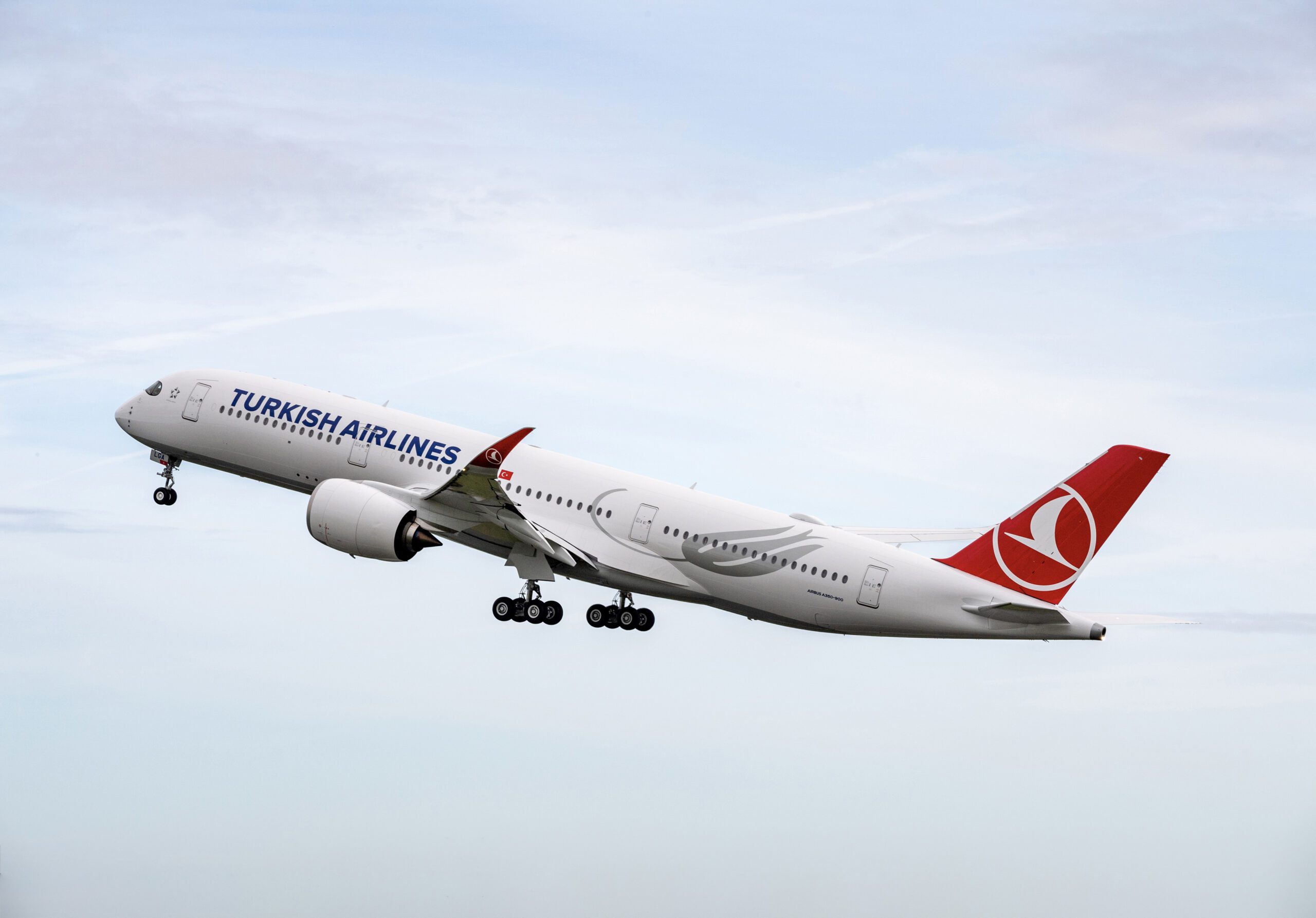
Turkish Airlines Is Bringing Back Premium Economy — And Frequent Flyers Should Pay Attention
After more than a decade of absence, Turkish Airlines has officially confirmed that it will resurrect its Premium Economy cabin on select long-haul aircraft. The announcement marks a significant strategic shift for one of the world's largest airlines, signaling that the Istanbul-based carrier is ready to reclaim a slice of the market that sits between the affordability of Economy Class and the luxury of Business Class. For travelers who have long sought a more comfortable long-haul experience without paying full Business Class fares, this is very welcome news.
What Is Premium Economy and Why Does It Matter?
Premium Economy is the cabin class that bridges the gap between standard Economy and Business Class. It typically offers wider seats, additional legroom, enhanced meal service, priority boarding, and greater recline than Economy — all at a price point that is considerably lower than a full Business Class ticket. For long-haul travelers covering transcontinental or intercontinental routes, the difference in comfort over a nine- or twelve-hour flight can be enormous.
The concept is not new. The history of Premium Economy can be traced all the way back to the early 1990s, when both Taiwan's EVA Air and Virgin Atlantic independently introduced wider, more comfortable seating products that at the time resembled what we would now recognize as Business Class. The debate over which airline actually introduced the concept first continues to this day, though EVA Air appears to have narrowly beaten Virgin Atlantic to the punch. Since then, the product has evolved significantly, and major global carriers now regard a competitive Premium Economy cabin as an essential part of their long-haul offering.
Why Did Turkish Airlines Abandon Premium Economy in the First Place?
Turkish Airlines quietly phased out its Premium Economy product over a decade ago, a decision that raised eyebrows at the time given the growing popularity of the cabin class across the global airline industry. The exact reasoning behind the move was never fully explained publicly, but industry observers have pointed to a combination of factors: a rapid expansion strategy that prioritized seat volume, a focus on growing its Business Class product, and the operational complexity of managing a third distinct cabin on a fleet that was scaling at a remarkable pace.
Throughout the 2010s, Turkish Airlines grew aggressively, adding new destinations and aircraft at a rate that made it one of the most talked-about carriers in global aviation. During that period, maintaining a Premium Economy cabin may simply have been seen as an unnecessary complication. However, the airline landscape has shifted considerably since then, and the commercial logic for a mid-tier cabin has never been stronger.
The Return: What Turkish Airlines Has Confirmed So Far
Turkish Airlines has confirmed that Premium Economy will return on select long-haul aircraft, though the airline has not yet released exhaustive details about the full rollout timeline or the specific routes that will benefit first. What has emerged is a rendering of Royalux seats — a product that could be installed on Turkish Airlines planes — offering a first visual glimpse of what passengers might expect from the revived cabin. The seats suggest a premium, thoughtfully designed product that reflects how far the Premium Economy category has matured since its early days.
Industry analysts expect that the new Turkish Airlines Premium Economy will feature:
- Wider seats with significantly more recline than standard Economy Class
- Increased seat pitch, providing more legroom on long flights
- Enhanced in-flight dining, likely drawing on Turkish Airlines' well-regarded catering reputation
- Priority check-in and boarding privileges
- A dedicated cabin experience with improved amenity kits and entertainment options
Final specifications are expected to be announced closer to the product's official launch, but the early signs point to a competitive offering that could appeal strongly to both leisure and business travelers.
Why the Timing Makes Perfect Sense
The return of Turkish Airlines' Premium Economy comes at a moment when demand for the cabin class is soaring industry-wide. Post-pandemic travel patterns have shifted consumer priorities — more passengers are willing to spend incrementally more to secure a meaningfully better experience on long-haul flights, particularly as remote work and flexible schedules make leisure travel more frequent. Airlines that offer a strong mid-tier cabin tend to generate higher ancillary revenue per flight while also improving overall passenger satisfaction scores.
Rivals including Lufthansa, Air France, British Airways, Cathay Pacific, and Singapore Airlines have all invested heavily in their Premium Economy products in recent years, and Turkish Airlines will be under pressure to match or exceed the industry standard. Given the airline's track record of delivering quality catering and in-flight service, there is genuine optimism that the returning product will be competitive from day one.
What This Means for Travelers Booking Turkish Airlines Long-Haul Flights
If you regularly fly Turkish Airlines on long-haul routes — whether between Europe, the Americas, Asia, or Africa — the return of Premium Economy is likely to expand your options in a meaningful way. It provides an accessible upgrade path for travelers who find Business Class fares out of reach but want more than the airline's already-capable Economy Class can offer.
Frequent flyers who are members of Turkish Airlines' Miles&Smiles loyalty program may also find interesting opportunities to use miles or status upgrades to access the new cabin, though the airline has not yet confirmed how Elite Miles benefits will apply to Premium Economy bookings.
A Strong Signal for the Future of Turkish Airlines
The reintroduction of Premium Economy is more than a product announcement — it is a statement of intent. Turkish Airlines is clearly positioning itself for a new era of long-haul competition, one in which passenger experience and cabin diversity are just as important as network breadth and price. After more than ten years away from the mid-cabin market, the airline's return signals confidence in its ability to attract the premium leisure and corporate travel segments that have come to define the most profitable long-haul routes in global aviation.
As more details emerge in the coming months, travelers and aviation enthusiasts alike will be watching closely to see exactly how Turkish Airlines' new Premium Economy stacks up. Based on what has been revealed so far, the prospects look genuinely exciting.