
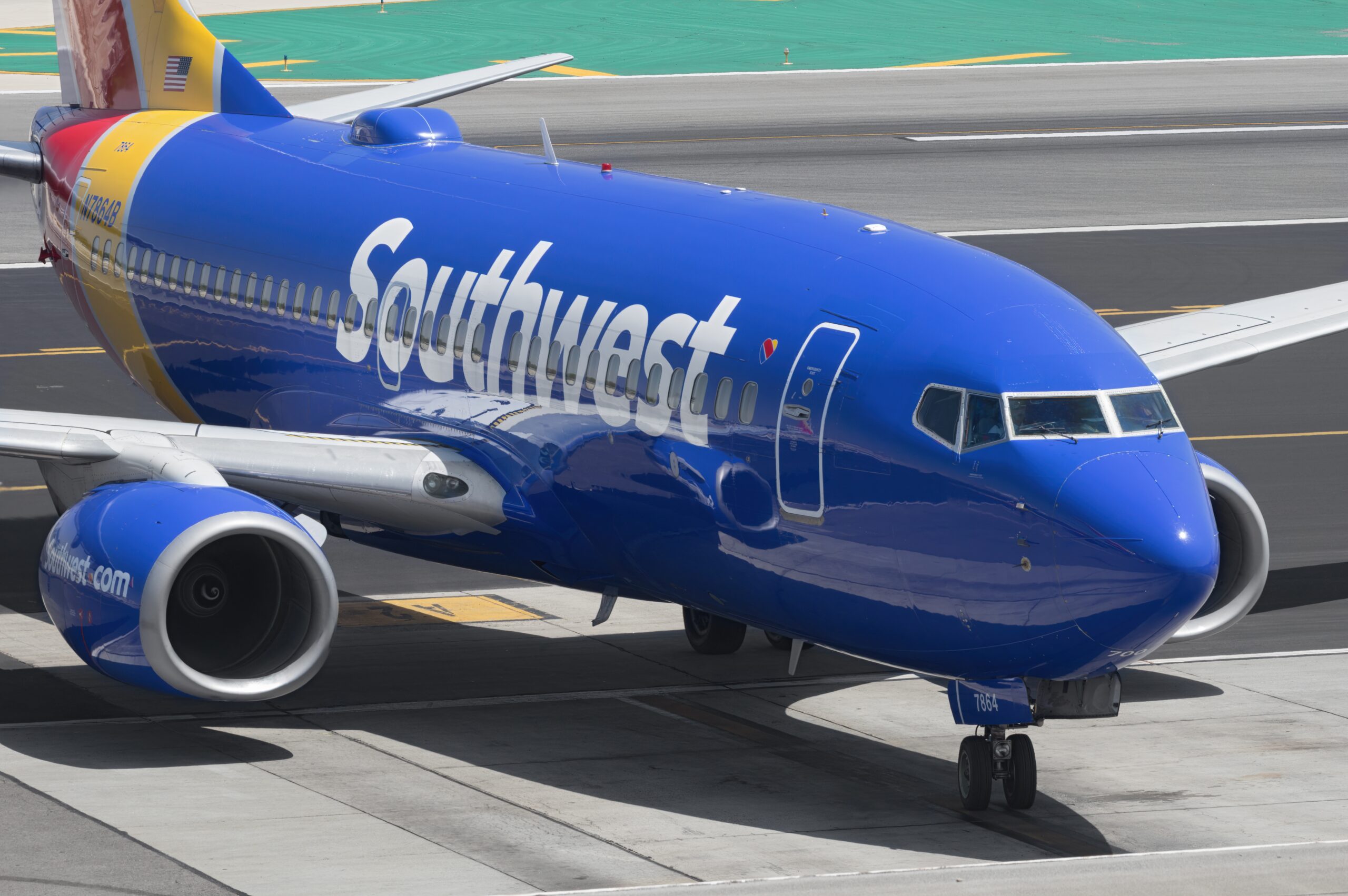
Southwest Airlines Takes a Giant Leap with Starlink In-Flight Wi-Fi
A new era of in-flight connectivity has officially begun for Southwest Airlines passengers. The carrier has reached a significant milestone by operating its first commercial flight equipped with SpaceX's Starlink satellite internet — and the experience it promises is unlike anything airline travelers in the United States have had access to before. Fast, reliable, and completely free, Starlink-powered Wi-Fi is set to transform how millions of Southwest passengers stay connected at 35,000 feet.
The Historic First Flight: What We Know
The milestone moment arrived on a Monday when Southwest flight WN-3660 lifted off from Dallas headed to Albuquerque, New Mexico. This seemingly routine short-haul route made aviation history as the first Southwest Airlines service to operate with Starlink internet fully installed and active onboard.
The aircraft that earned the honor of being the first in the fleet to receive the upgrade is an 8-year-old Boeing 737-800, registered as N8543Z. While it may not be Southwest's newest plane, its retrofit signals the beginning of a rapid transformation across the airline's enormous fleet of more than 800 Boeing 737s — one of the largest single-type fleets operated by any carrier in the world.
What Southwest's Leadership Is Saying
Southwest Airlines' chief customer and brand officer, Tony Roach, was understandably enthusiastic about the development. In a statement marking the occasion, Roach said: "Starting with this first aircraft, we will be rapidly integrating Starlink into our fleet this year. This ultra-fast WiFi brings an at-home experience to the air and redefines how Customers can stay connected, be productive, and make the most of their time while flying at 35,000 feet."
That phrase — "at-home experience" — is particularly telling. For years, in-flight Wi-Fi has been a source of frustration for business travelers and leisure flyers alike, plagued by slow speeds, frequent dropouts, and prices that felt wildly out of proportion to the service delivered. Starlink, Roach is suggesting, changes all of that.
Why Starlink Is Different from Traditional In-Flight Internet
To understand why this announcement matters so much, it helps to know what makes Starlink fundamentally different from the in-flight internet services that most passengers are used to.
Traditional airborne internet relies on geostationary satellites that orbit the Earth at roughly 35,000 kilometers above the surface. At that distance, the signal has a long way to travel, which introduces significant latency — the delay between sending a request and receiving a response. This is why streaming video, video conferencing, and even basic web browsing can feel sluggish or unreliable on conventional airline Wi-Fi systems.
Starlink takes a fundamentally different approach. It uses a large constellation of low-earth orbit (LEO) satellites positioned just 550 kilometers above the planet's surface. Because the signal travels a much shorter distance, latency drops dramatically. The result is internet connectivity that, in terms of speed and responsiveness, is genuinely comparable to what users enjoy at home or in the office.
- Low latency: LEO satellites dramatically reduce the delay that makes traditional in-flight Wi-Fi feel sluggish.
- High speeds: Passengers can expect speeds capable of supporting video calls, HD streaming, and large file transfers simultaneously.
- Greater reliability: The constellation design means coverage is consistent, with fewer dead zones or signal drops during flight.
- Free access: Unlike many legacy systems that charge per session or per device, Southwest's Starlink offering is provided at no cost to passengers.
The Rollout Plan: 300 Aircraft by End of 2026
Southwest did not announce the Starlink partnership quietly. The airline revealed its agreement with SpaceX — Elon Musk's commercial space company — more than five months before that first Dallas-to-Albuquerque flight took off. That gap between announcement and first operational flight reflects the complexity involved in retrofitting an active commercial fleet, but the airline has made clear that the pace of installation will accelerate significantly from here.
By the end of 2026, Southwest's goal is to have Starlink installed on approximately 300 of its aircraft. That would represent roughly one-third of the entire fleet — a substantial portion by any measure, and a pace that few airlines anywhere in the world have matched when rolling out a new connectivity platform.
For travelers, this means that the chances of boarding a Starlink-equipped Southwest flight will grow with every passing month. Frequent flyers who travel on the carrier regularly can reasonably expect to experience the new service before the year is out.
What This Means for Passengers
The practical implications for the everyday Southwest customer are significant. Whether you're a business traveler who needs to stay productive during a two-hour hop between Texas and California, or a family flying to a vacation destination who wants to keep the kids entertained without burning through mobile data, the availability of fast and free Starlink Wi-Fi removes a genuine friction point from the flying experience.
Video calls that actually work. Emails that send without timing out. Streaming services that don't buffer endlessly. These are small things individually, but together they represent a meaningfully better journey — one that treats connectivity not as a premium add-on but as a basic expectation of modern air travel.
Southwest Joins a Growing Wave of Starlink-Equipped Airlines
Southwest Airlines is not alone in making this move. A number of other carriers have been exploring or implementing Starlink across their fleets, recognizing that high-quality, affordable in-flight connectivity has become a competitive differentiator in an industry where the in-cabin experience is increasingly important to customer loyalty.
For Southwest specifically, which has long positioned itself as a passenger-friendly, value-driven airline, offering genuinely excellent Wi-Fi at no extra charge is a natural extension of its brand promise. It reinforces the idea that flying Southwest means fewer hassles and better value — a message the airline will no doubt amplify as Starlink rolls out to more and more of its planes throughout the remainder of 2026 and beyond.
Looking Ahead
The departure of flight WN-3660 from Dallas was a quiet but consequential moment in American aviation. It marked the point at which a major U.S. carrier began delivering on a promise that has been made many times before — truly fast, truly free in-flight internet — but rarely fulfilled. As Southwest works to equip hundreds more aircraft with Starlink technology over the coming months, passengers across the country will have an increasingly real opportunity to experience the difference for themselves.
For anyone who has ever sat on a plane, watched the Wi-Fi symbol on their laptop spin fruitlessly, and wondered why connectivity at 35,000 feet has to be so hard — that frustration may finally be coming to an end.