
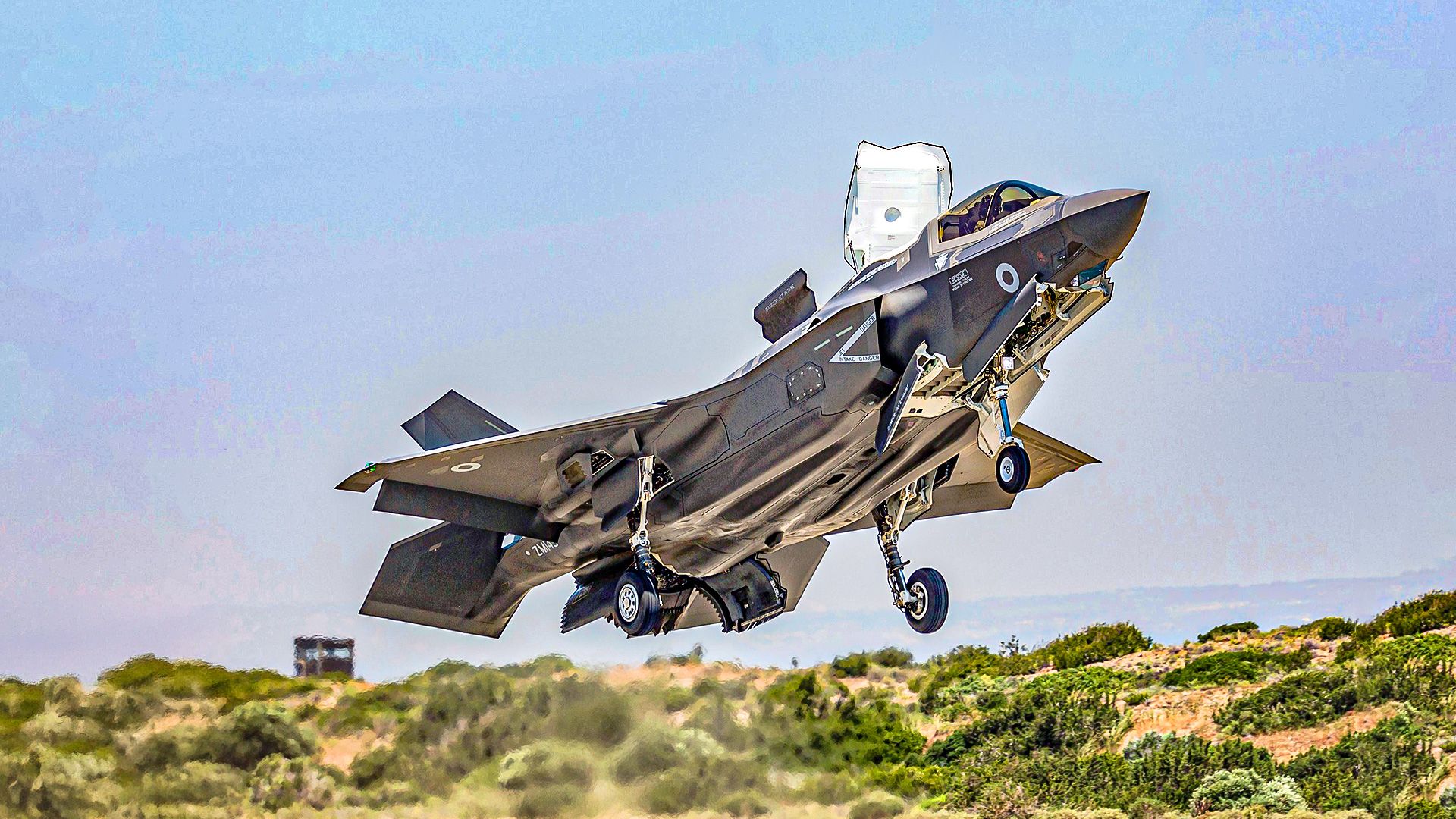
The Royal Air Force's Fighter Jet Fleet in 2026
The Royal Air Force (RAF) remains one of the most capable and well-equipped air forces in the world. In 2026, the RAF continues to rely on two primary fighter airframes to maintain air superiority, conduct strike operations, and fulfill its commitments to NATO and national defense. The Eurofighter Typhoon serves as the backbone of the RAF's fighter interceptor force, while the Lockheed Martin F-35B Lightning II stealth multirole fighter plays an increasingly critical role alongside it. Understanding which RAF bases host the greatest concentrations of these aircraft offers a fascinating insight into how British air power is organized and deployed.
This article ranks the five largest Royal Air Force bases by the number of fighter jets stationed there in 2026, drawing on squadron assignments, known basing arrangements, and the RAF's ongoing modernization efforts. Whether you're an aviation enthusiast, a defense analyst, or simply curious about British military capability, read on for a detailed breakdown of where the RAF's most powerful aircraft are based.
How the RAF Organizes Its Fighter Squadrons
Before diving into the rankings, it's worth understanding how the RAF structures its combat air force. Fighter squadrons are assigned to specific Main Operating Bases (MOBs), each of which provides the infrastructure, maintenance facilities, and support services needed to keep high-performance aircraft mission-ready. The RAF's two key fighter platforms — the Typhoon and the F-35B — require very different infrastructure. Typhoon bases are well-established across England and Scotland, while F-35B operations are more centralized given the jet's unique short takeoff and vertical landing (STOVL) requirements.
The RAF is also in the process of procuring the F-35A variant for a future nuclear deterrence role, which will eventually reshape basing decisions in the years ahead. For now, in 2026, the fleet structure is defined by a clear division between Typhoon-centric bases and those supporting F-35B operations.
The 5 Largest RAF Bases by Fighter Jet Numbers in 2026
1. RAF Lossiemouth, Scotland
RAF Lossiemouth in Moray, Scotland, has grown substantially in recent years and now stands as the RAF's largest and most important fighter base by aircraft numbers. The station is home to multiple Typhoon squadrons, making it the centerpiece of the RAF's Quick Reaction Alert (QRA) North operation. Lossiemouth's strategic location on the northeast coast of Scotland makes it ideal for intercepting Russian aircraft that routinely probe NATO airspace over the North Sea and North Atlantic.
In 2026, Lossiemouth hosts several front-line Typhoon squadrons, and ongoing investment in the base's infrastructure — including new facilities for incoming P-8 Poseidon maritime patrol aircraft — underscores its growing importance. With the largest concentration of Eurofighter Typhoons at any single RAF station, Lossiemouth comfortably takes the top spot in this ranking.
2. RAF Coningsby, Lincolnshire
RAF Coningsby is the other primary Typhoon base and serves as the RAF's center of excellence for fast jet training and operational development. Located in Lincolnshire, Coningsby is home to the Typhoon Operational Conversion Unit (OCU), which trains all new Typhoon pilots, as well as several operational squadrons. The base also houses the Battle of Britain Memorial Flight, adding historic significance to an already operationally vital station.
Coningsby's role in QRA South means it maintains aircraft and crews at constant readiness to respond to threats in southern UK airspace. The combination of training aircraft, operational Typhoons, and reserve jets makes Coningsby one of the densest concentrations of fighter aircraft in the entire RAF inventory.
3. RAF Marham, Norfolk
RAF Marham is the RAF's sole Main Operating Base for the F-35B Lightning II, making it unique among British fighter stations. All of the RAF's F-35B squadrons are based here, and Marham has been extensively upgraded to accommodate the fifth-generation stealth jet's specialized maintenance, low-observable coating upkeep, and advanced avionics support requirements.
In 2026, RAF Marham hosts multiple F-35B squadrons representing both the RAF and the Royal Navy's Fleet Air Arm, which operates the jets as part of a joint force concept. The sheer number of F-35Bs assigned to Marham, combined with reserve and training aircraft, places it firmly in the top three on this list. As the F-35 fleet continues to grow, Marham's importance to British air power will only increase.
4. RAF Typhoon Forward Operating Locations
While not a single base, the RAF maintains a network of forward operating locations and dispersal sites where Typhoons are periodically deployed, most notably RAF Akrotiri in Cyprus and RAF Mount Pleasant in the Falkland Islands. These locations maintain smaller but operationally significant fighter detachments that contribute to the RAF's global reach and deterrence posture.
RAF Akrotiri, in particular, regularly hosts Typhoon detachments supporting operations across the Middle East region. In 2026, these overseas locations collectively represent a meaningful share of the RAF's deployed fighter jet numbers.
5. RAF Leuchars Transition and Successor Basing
Though RAF Leuchars transitioned to an Army base, its legacy as a fighter station lives on through redistribution of squadrons and continued use by RAF units on exercise. In 2026, discussions around future basing for the incoming F-35A — the variant the RAF intends to use in a nuclear strike role — point to renewed investment in Scotland-based infrastructure, potentially elevating a successor location into the top five by the late 2020s.
The Future of RAF Fighter Basing
The RAF's basing footprint for fighter aircraft will continue to evolve as the F-35A enters service and as the Typhoon fleet is eventually succeeded by the next-generation Tempest fighter, developed under the Global Combat Air Programme (GCAP) with Italy and Japan. In 2026, however, RAF Lossiemouth, Coningsby, and Marham form the clear triumvirate of British air power, hosting the overwhelming majority of the nation's combat aircraft.
Conclusion
The Royal Air Force's fighter jet basing strategy in 2026 reflects both the legacy of Cold War-era infrastructure and the demands of modern multi-domain air operations. From the Typhoon strongholds of Lossiemouth and Coningsby to the F-35B hub at Marham, these bases represent the sharp end of British air power. As procurement of the F-35A and development of the Tempest fighter press forward, the landscape of RAF basing will continue to shift — but for now, these stations stand as the most powerful concentrations of fighter jets in the United Kingdom.