
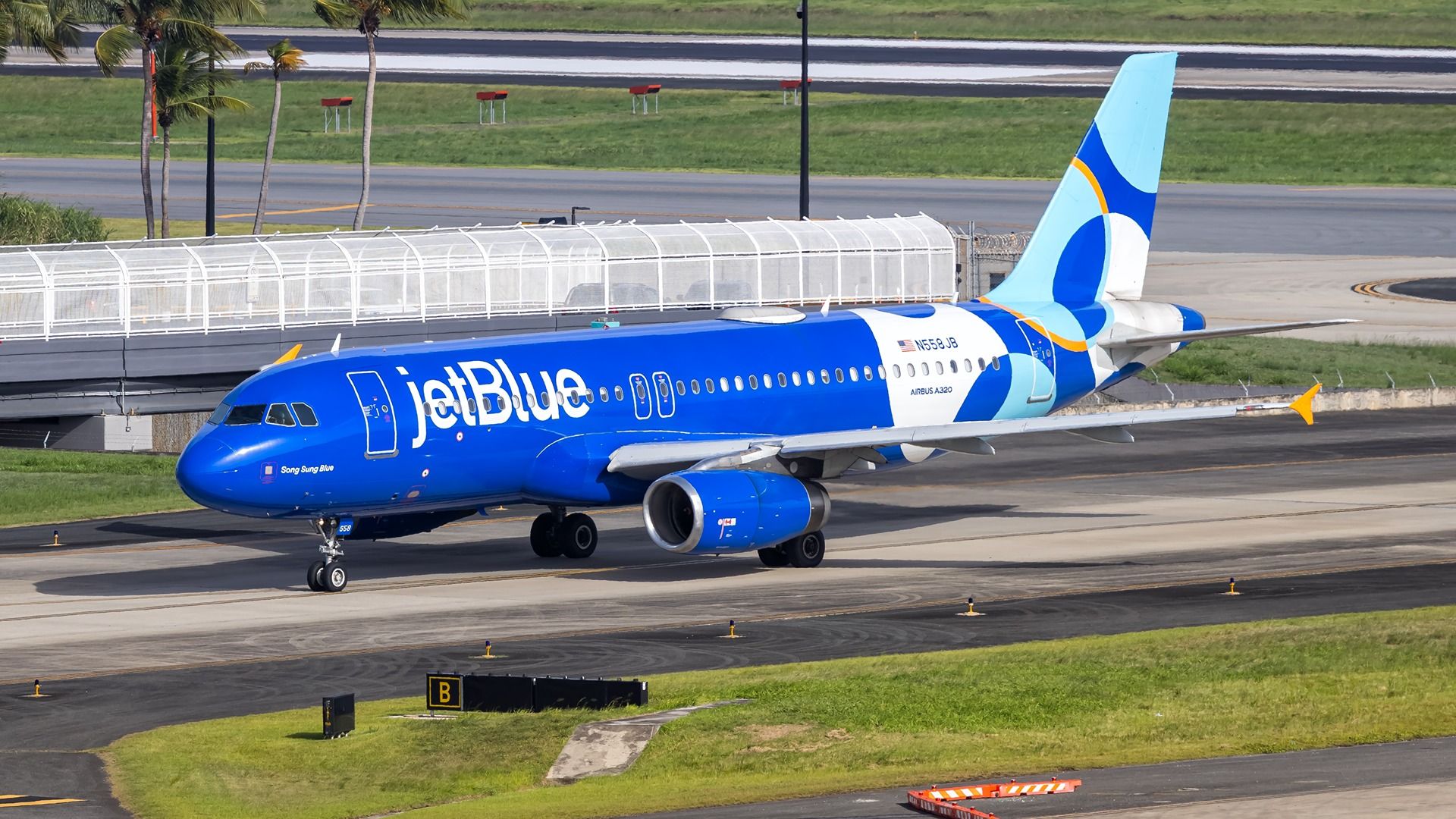
JetBlue Airbus A320 Diverts to JFK After Lightning Strike Destroys Weather Radar
A JetBlue Airways Airbus A320 operating a routine flight between Westchester County Airport and Orlando International Airport was forced to make an unplanned diversion to John F. Kennedy International Airport (JFK) on Tuesday after a lightning strike knocked out the aircraft's weather radar system. Air traffic control (ATC) recordings captured the event, revealing that the strike effectively "fried" the onboard radar — a critical piece of safety equipment used to help pilots detect and navigate around dangerous storm cells. The aircraft landed safely at JFK shortly after departure, and has since been returned to service following inspections and repairs.
The incident serves as a striking reminder — no pun intended — of the unpredictable challenges that commercial aviation faces daily, and how robust safety protocols ensure that passengers and crew are protected even when nature intervenes in the most dramatic of ways.
What Happened on the JetBlue Flight?
The JetBlue flight departed Westchester County Airport (HPN) bound for Orlando International Airport (MCO), a common leisure and business travel route on the East Coast. Shortly after takeoff, the aircraft was struck by lightning — an occurrence that, while relatively common in commercial aviation, can still cause significant equipment damage depending on where and how the strike makes contact with the airframe.
In this particular case, the lightning strike disabled the plane's weather radar system. According to ATC recordings, the crew reported that the radar had been rendered inoperable, describing it as having been "fried" by the electrical discharge. With weather radar being a fundamental navigation and safety tool — especially when flying in or near storm systems — the flight crew made the correct and prudent decision to divert the aircraft rather than continue the nearly two-hour journey to Florida without it.
The plane was diverted to John F. Kennedy International Airport, just a short distance away, where it landed safely within minutes of the incident being reported. No injuries to passengers or crew were reported, and the aircraft was subsequently inspected by maintenance crews before being cleared to return to regular operations.
Why Is Weather Radar So Important for Commercial Aircraft?
To understand the significance of this incident, it helps to appreciate just how vital weather radar is in modern commercial aviation. Onboard weather radar systems allow pilots to detect precipitation, storm cells, and turbulence ahead of the aircraft in real time. This information is crucial for flight planning and in-flight decision-making, enabling crews to reroute around dangerous weather and ensure a safe, smooth flight for everyone on board.
Flying without a functioning weather radar is not simply an inconvenience — it is a genuine safety concern, particularly in regions prone to convective weather activity like thunderstorms and rapidly developing storm systems. The eastern United States, and especially Florida, is notorious for its afternoon thunderstorm activity, making radar functionality even more critical on this specific route.
Airlines and aviation regulators follow strict minimum equipment list (MEL) standards that govern whether an aircraft is airworthy with certain systems inoperative. In many scenarios, a malfunctioning weather radar would ground a flight entirely, or at minimum trigger a diversion — which is precisely what happened here.
How Common Are Lightning Strikes on Commercial Aircraft?
While it might sound alarming, lightning strikes on commercial aircraft are far more common than most passengers realize. On average, a commercial airliner is struck by lightning at least once per year. Aircraft are specifically designed and certified to withstand lightning strikes, with special conductive coatings and bonding systems that allow electrical current to safely dissipate across the airframe and exit without causing catastrophic damage.
However, the key word is "designed to withstand" — not "immune to damage." Sensitive electronic components, particularly those located near the nose of the aircraft such as weather radar antennas, can still sustain damage from powerful strikes. The nose radome, which houses the weather radar antenna, is made of a non-metallic composite material to allow radar signals to pass through, which also makes it more susceptible to lightning-induced damage than the metal fuselage behind it.
In this JetBlue incident, the strike appears to have been particularly severe or precisely targeted enough to disable the radar system entirely, rather than causing superficial cosmetic damage as many lightning strikes do.
JetBlue's Response and Return to Service
Following the diversion to JFK, JetBlue's maintenance team inspected the Airbus A320 to assess the full extent of the damage caused by the lightning strike. After repairs were completed and the aircraft passed the required safety checks, the plane was cleared to return to service — a testament to the efficiency of airline maintenance operations and the robustness of the Airbus A320 platform itself.
JetBlue Airways has not publicly released a detailed statement regarding the specific repairs carried out, but the relatively swift return to service suggests that while the weather radar was damaged, the overall structural integrity and other critical systems of the aircraft remained intact.
What This Incident Means for Passengers
For passengers on board the diverted flight, the experience was likely unsettling, though the outcome was the best possible one. Flight diversions due to technical issues are inconvenient, but they are the direct result of the aviation industry's unwavering commitment to safety over schedule.
- The flight crew responded quickly and professionally to an unexpected equipment failure caused by a lightning strike.
- Air traffic control was promptly informed, allowing for a fast and coordinated diversion to the nearest suitable airport.
- The aircraft landed safely with no injuries, and maintenance was able to restore the plane to airworthy condition in a timely manner.
- Passengers were likely rebooked on alternative flights to continue their journey to Orlando.
This sequence of events perfectly illustrates how layered safety systems in aviation — from aircraft design to crew training to ATC communication — work together to manage unexpected situations before they escalate into emergencies.
The Bigger Picture: Aviation Safety and Weather Challenges
This JetBlue incident is a microcosm of the broader challenges that airlines face when operating in dynamic weather environments. The aviation industry invests billions of dollars annually in weather monitoring technology, pilot training, and aircraft engineering precisely to handle scenarios like this one. While a lightning strike disabling a weather radar sounds dramatic, the system worked exactly as intended — the crew identified the problem, communicated with ATC, and made a safe landing without incident.
As climate patterns continue to evolve and weather events become increasingly unpredictable, the ability of airlines, crews, and aircraft to respond rapidly to in-flight anomalies will remain as important as ever. For now, the JetBlue Airbus A320 is back in the skies — and the passengers aboard that Tuesday flight have a story to tell for years to come.