
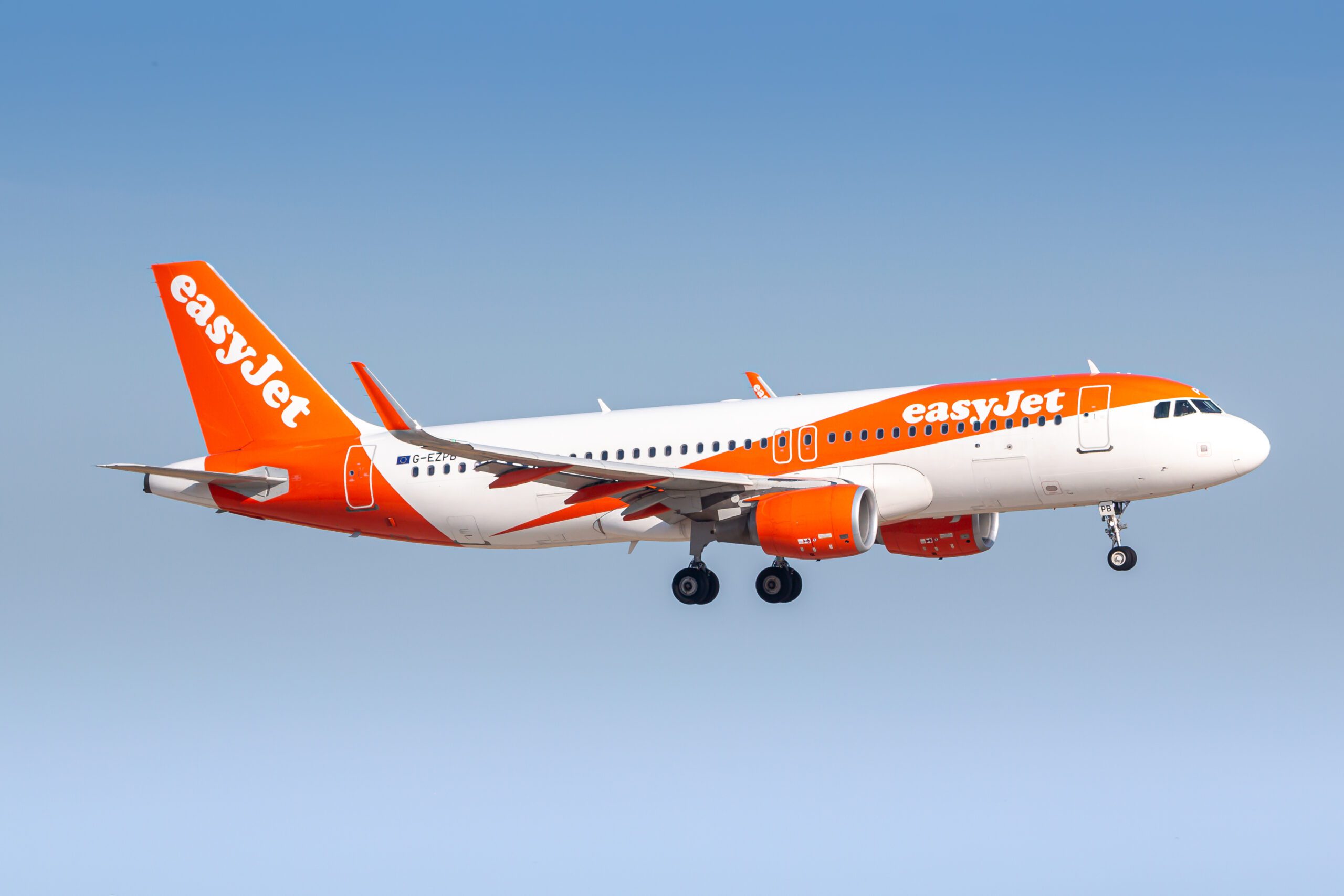
Castlelake Reveals £4.74 Billion Bid to Take EasyJet Private
A major bid to take one of Europe's most recognisable low-cost airlines off the public market has moved into the spotlight. U.S.-based alternative investment firm Castlelake has officially shared the details of its ambitious £4.74 billion (approximately US $6.3 billion) proposal to fully acquire British carrier EasyJet. The offer, priced at £6.25 per share, marks a significant escalation in what has already become a prolonged pursuit — one that EasyJet's board of directors has so far refused to entertain.
The announcement has sent ripples through the aviation and investment industries alike, raising important questions about the future direction of EasyJet, the motivations behind Castlelake's persistent advances, and what a potential privatisation of one of the UK's largest airlines could mean for passengers, employees, and shareholders.
Who Is Castlelake and Why Does It Want EasyJet?
Castlelake is a Minneapolis-based alternative investment firm that specialises in asset-based investing across a wide range of sectors, including aviation. The firm manages billions of dollars in assets and has a well-established track record of investing in aviation assets such as aircraft and leasing portfolios. Its interest in EasyJet, therefore, is not entirely surprising — the airline represents a significant asset-rich opportunity with a large fleet, established routes across Europe, and a strong brand identity.
Castlelake first signalled its interest in EasyJet at the end of May 2026, when it publicly indicated it was exploring a potential deal to take the airline private. At the time, the firm was careful to note that it had not yet approached EasyJet's board directly. That cautious opening has since evolved into a far more concrete and public campaign, with the firm now formally disclosing the financial terms of what it believes to be a compelling offer for shareholders.
For Castlelake, acquiring EasyJet outright would give the firm direct control over a major European airline, its fleet of aircraft, its slot portfolio at key airports, and its loyal customer base of tens of millions of passengers annually. It would also represent one of the largest airline privatisation deals in recent European aviation history.
Three Bids, Three Rejections: A Timeline of the Pursuit
The road to this point has not been straightforward. Since first making its intentions known, Castlelake has submitted no fewer than three separate non-binding proposals to EasyJet's board of directors. On each occasion, the board has rejected the approach. Despite this repeated pushback, Castlelake has continued to press forward, ultimately choosing to go public with the details of its latest and most specific offer.
Going public with bid details in this way is a notable move. By disclosing the offer price of £6.25 per share and the overall package value of £4.74 billion directly to the market, Castlelake appears to be applying pressure on EasyJet's board by appealing to shareholders directly. If shareholders believe the offer price represents fair value — or a meaningful premium over what they might otherwise expect — they could push the board to engage more seriously with the proposal.
This tactic, sometimes described in financial circles as a "bear hug" approach, is designed to make it increasingly difficult for a board to simply turn away without providing a detailed and transparent explanation to its shareholders.
What Does the £6.25 Per Share Offer Mean for EasyJet Shareholders?
For existing EasyJet shareholders, the key question is whether £6.25 per share represents a fair and attractive price. Any assessment of this depends on several factors, including EasyJet's current and projected share price, its earnings outlook, and the broader state of the European short-haul aviation market.
EasyJet has faced a turbulent few years, navigating the aftermath of the COVID-19 pandemic, rising fuel costs, inflationary pressures on operating expenses, and intense competition on key routes. While the airline has made significant progress in restoring profitability, its share price has at times traded well below pre-pandemic highs. A cash offer at a defined premium could therefore be seen as an attractive exit opportunity for some investors.
However, others may feel that EasyJet's long-term growth prospects — particularly as European travel demand continues to recover and the airline expands its holidays division — make the current moment a poor time to sell. The board's repeated rejections suggest that management shares this view, believing the intrinsic value of the business exceeds what Castlelake is currently putting on the table.
What Would Privatisation Mean for EasyJet?
Taking EasyJet private would represent a fundamental shift in how the airline is governed, financed, and operated. As a publicly listed company, EasyJet is subject to the scrutiny of public markets, regulatory reporting requirements, and the expectations of a broad shareholder base. Privatisation would remove those constraints, giving Castlelake far greater freedom to make strategic and operational decisions without the same level of public accountability.
For passengers, the immediate impact of any ownership change would likely be minimal in the short term. Routes, fares, and services are typically maintained through any transition period. However, longer-term changes in strategy — such as adjustments to the fleet, changes to the loyalty programme, or a shift in route priorities — could eventually filter through to the customer experience.
For employees, the picture is similarly uncertain. Private equity and alternative investment-backed businesses sometimes pursue cost reduction programmes to improve margins, though Castlelake has not publicly outlined any specific operational plans should a deal be agreed.
What Happens Next?
With EasyJet's board having rejected three separate approaches, the immediate future of this bid remains unclear. Castlelake faces a choice: raise its offer to a level the board finds acceptable, continue to lobby shareholders publicly in hopes of forcing engagement, or ultimately walk away.
Under UK takeover rules, there are strict timelines and disclosure obligations that govern how long a potential bidder can remain in pursuit before either formalising a firm offer or withdrawing. Market watchers will be closely monitoring EasyJet's share price, shareholder communications, and any further statements from either party in the weeks ahead.
What is clear is that Castlelake is not giving up easily. Having made three formal non-binding proposals and now going public with specific financial terms, the firm has invested considerable time, resources, and credibility in this pursuit. Whether EasyJet's board ultimately opens the door to further discussions — or continues to rebuff the advances — will be one of the most closely watched stories in European aviation this year.
Key Takeaways
- Castlelake has revealed a formal bid of £4.74 billion (US $6.3 billion) to acquire EasyJet at £6.25 per share.
- The Minneapolis-based alternative investment firm first signalled interest in EasyJet at the end of May 2026.
- EasyJet's board of directors has rejected all three non-binding proposals submitted by Castlelake to date.
- By disclosing bid details publicly, Castlelake appears to be appealing directly to EasyJet's shareholders to apply pressure on the board.
- The outcome of this bid could have significant implications for EasyJet's shareholders, passengers, and the broader European aviation sector.