
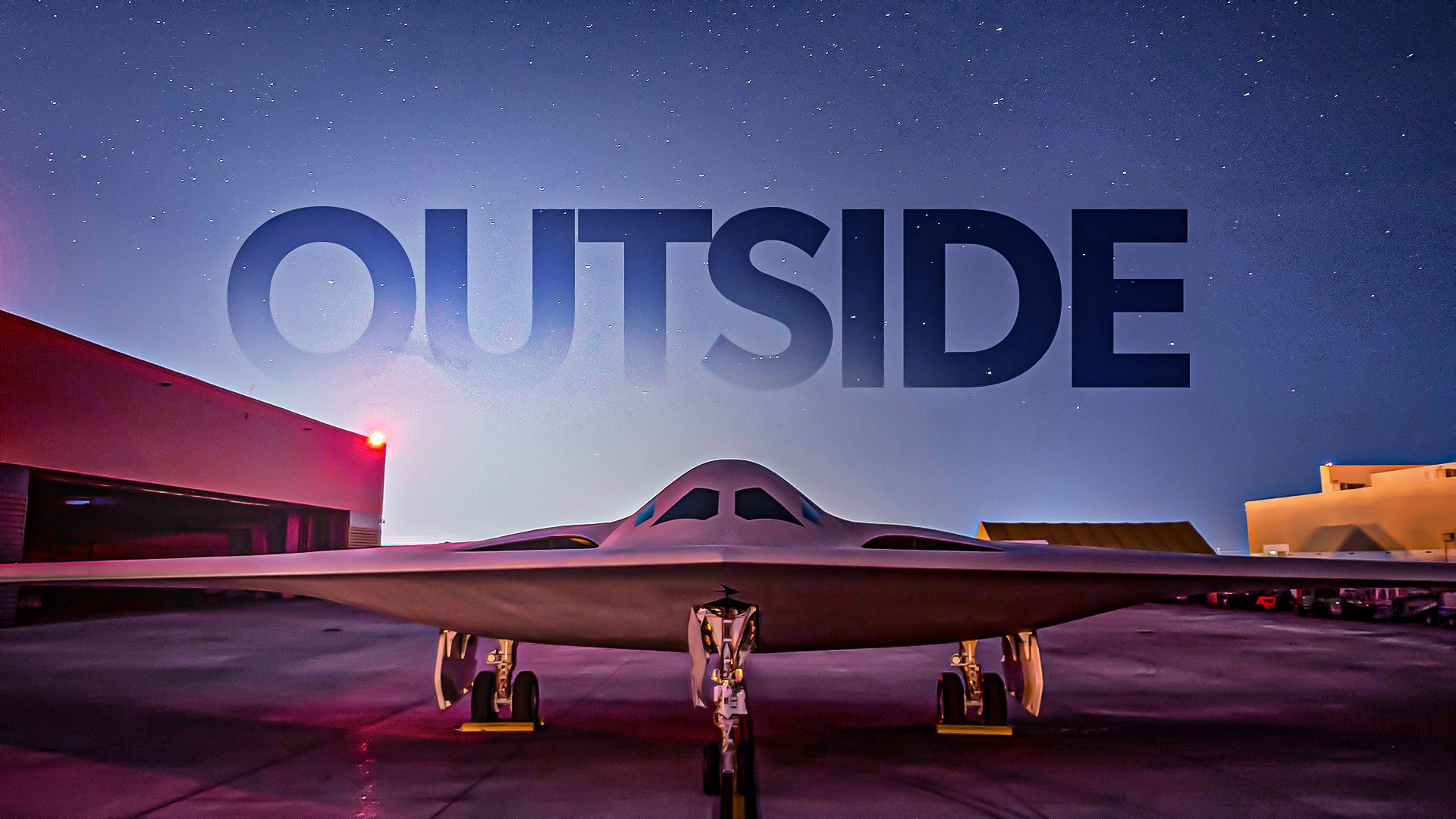
The B-21 Raider vs. B-2 Spirit: A Tale of Two Stealth Bombers
When the United States Air Force unveiled the Northrop Grumman B-21 Raider to the public in December 2022, defense analysts were not simply looking at a new aircraft. They were looking at the answer to one of the most persistent and expensive operational headaches in modern military aviation history. For decades, the B-2 Spirit — America's crown jewel of strategic stealth — was quietly hampered by a vulnerability that had nothing to do with enemy missiles or electronic warfare. It was rain. The B-21 Raider has been engineered from the ground up to put that era firmly in the past.
The B-2 Spirit's Achilles' Heel: A Hangar Queen Born of Necessity
The B-2 Spirit entered service in the late 1990s as one of the most technologically advanced aircraft ever built. Its flying wing design and radar-absorbing material (RAM) coatings gave it an unprecedented ability to penetrate heavily defended airspace. However, those same coatings came with a brutal operational caveat: they were extraordinarily sensitive to the elements.
The B-2's stealth skin was not designed to withstand prolonged exposure to rain, humidity, heat, or the general wear and tear of outdoor environments. Moisture could seep into the coating, degrade its radar-absorbing properties, and compromise the aircraft's all-important low-observable signature. The consequences were not merely cosmetic. A B-2 with a damaged stealth coating was a B-2 that could be detected — and in a combat scenario, detection is a death sentence for a platform that relies entirely on not being seen.
This meant that every B-2 Spirit in the Air Force's fleet of just 20 aircraft had to be stored in climate-controlled hangars specifically engineered to maintain precise temperature and humidity levels. At Whiteman Air Force Base in Missouri, the B-2's sole operational home, these facilities represented a massive and ongoing investment in infrastructure. Deploying the B-2 abroad was possible but logistically demanding, requiring either the construction of temporary climate-controlled shelters or the acceptance of strict time limits on outdoor exposure. The aircraft earned its informal designation as a "hangar queen" — spectacular in performance, but shackled to its garage.
What Changed: The Engineering Philosophy Behind the B-21 Raider
The B-21 Raider represents a fundamental rethinking of how stealth capability should be integrated into a weapons platform. Northrop Grumman and the Air Force set out with a clear operational requirement: the next-generation bomber had to be survivable not just against enemy threats, but against the environment itself.
The B-21 incorporates what the Air Force describes as multispectral stealth technology. This goes beyond traditional radar-absorbing materials to address a broader spectrum of detection methods, including infrared, visual, and acoustic signatures. Crucially, the materials and application methods used on the B-21 are engineered for durability and maintainability in a way the B-2's coatings simply were not.
The result is an aircraft that can be parked on an open flight line overnight — exposed to rain, temperature swings, and humidity — without suffering the kind of coating degradation that would have grounded a B-2 for extensive maintenance. This is not a minor quality-of-life improvement. It is a transformational shift in how the USAF can deploy and operate its most powerful strike asset.
Agile Combat Employment: Why Outdoor Capability Matters Strategically
The Air Force's doctrine of Agile Combat Employment (ACE) is built around the idea of rapidly dispersing assets across multiple, often austere, operating locations to complicate an adversary's targeting problem. In a conflict with a near-peer competitor like China or Russia, the ability to surge aircraft from unexpected bases, move them quickly, and operate with a minimal logistical footprint could prove decisive.
The B-2 Spirit was fundamentally incompatible with this doctrine. Its hangar requirements meant it could only operate meaningfully from a small number of purpose-built facilities worldwide. Moving it required enormous advance preparation. The aircraft's operational flexibility was, in many ways, inversely proportional to its technological sophistication.
The B-21 Raider breaks this constraint. Because it can tolerate outdoor exposure, it can deploy to a far wider range of airfields with existing infrastructure. Forward bases that lack dedicated climate-controlled shelters are no longer off-limits. This dramatically expands the bomber's potential operating locations and makes it a far more credible tool in a distributed, multi-theater conflict environment.
Lower Maintenance, Higher Availability
Beyond strategic flexibility, the B-21's weather-hardened design has profound implications for day-to-day fleet availability. The B-2 required extensive and expensive maintenance after virtually every mission to inspect and restore its stealth coatings. Specialized technicians using proprietary materials spent thousands of man-hours keeping each aircraft mission-ready. With only 20 aircraft in the entire fleet, any reduction in availability was felt acutely.
The B-21 is designed to be significantly cheaper and faster to maintain. Its stealth coatings are more resilient, its systems are built with modern open architecture that simplifies upgrades and repairs, and the overall design philosophy prioritizes sortie generation rate alongside raw performance. The Air Force intends to procure at least 100 B-21 Raiders, and the platform's improved maintainability is essential to making that larger fleet operationally effective rather than merely impressive on paper.
The Legacy of the B-2 and the Promise of the B-21
None of this diminishes the extraordinary achievement the B-2 Spirit represented. It proved that a large, subsonic aircraft could penetrate the world's most sophisticated air defenses undetected, and it delivered that capability at a time when the technology to do so was at the absolute cutting edge of what was possible. Its combat record, including missions over Iraq, Serbia, and Afghanistan, validated the stealth bomber concept entirely.
But the demands of modern great-power competition require a bomber that is not only lethal but also rugged, flexible, and logistically sustainable. The B-21 Raider does not just replace the B-2 Spirit — it evolves past its predecessor's most significant limitations. The fact that it can simply park outside overnight might seem like a small thing. In the context of 21st-century power projection, it changes everything.