
United Airlines Is Transforming Inflight Connectivity With Free Starlink Wi-Fi
If you have flown on a commercial airline in the last decade, you know the pain of slow, unreliable, and expensive inflight Wi-Fi. Dropped video calls, buffering streams, and frustrating upload speeds have long been the norm at 35,000 feet. United Airlines is determined to change that reality — and it is doing so faster than any other major carrier in the United States. The airline has officially confirmed that it expects to have free Starlink Wi-Fi installed on 1,000 aircraft by the end of 2026, a milestone that puts it miles ahead of competitors like American Airlines and Delta Air Lines when it comes to passenger connectivity.
What Is United Airlines' Starlink Wi-Fi Plan?
United Airlines first announced its partnership with SpaceX's Starlink satellite internet service in September 2024. The plan is ambitious: roll out free, high-speed Starlink Wi-Fi across the airline's entire mainline and regional fleet. What makes this announcement especially significant is that no other airline of United's size has committed to installing Starlink on every single aircraft in its fleet. This is not a pilot program or a limited premium perk — it is a full-fleet transformation of how passengers experience the internet while flying.
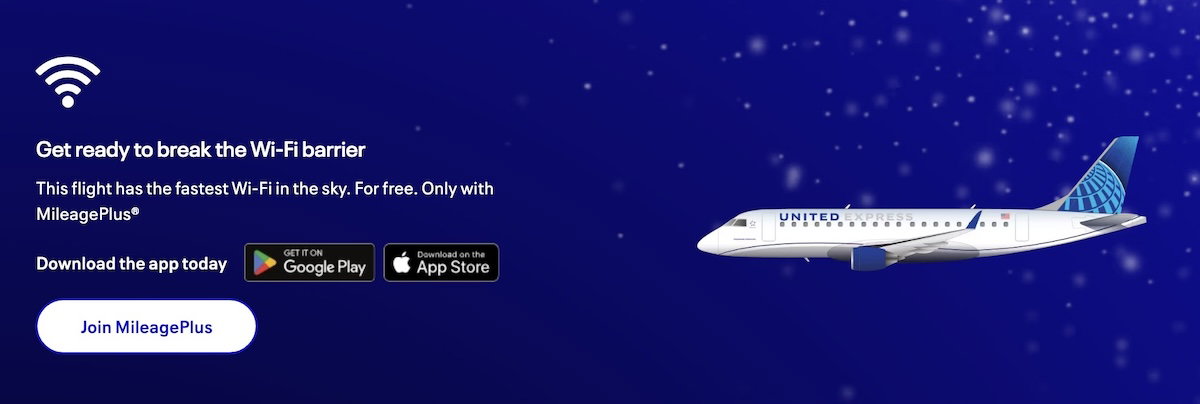
The service is free for all MileagePlus members, United's loyalty program, and passengers can connect multiple devices simultaneously. That means you can stream a movie on your tablet, keep your laptop connected for work, and have your smartphone online all at the same time — just as you would at home or in the office.
Why Starlink Is a Game-Changer for Inflight Internet
Not all inflight Wi-Fi is created equal, and Starlink represents a genuine leap forward compared to the legacy satellite systems most airlines currently rely on. Here is what sets it apart:
- High-speed broadband: Starlink's low-Earth orbit satellite constellation delivers speeds that are dramatically faster than traditional geostationary satellite systems, which orbit much farther from Earth and introduce significant latency.
- Low latency: Because Starlink satellites orbit closer to Earth, the delay in data transmission is far lower, making activities like video conferencing and online gaming actually viable at altitude.
- Gate-to-gate service: United's Starlink Wi-Fi is available from the moment you board to the moment you deplane, not just once the aircraft reaches cruising altitude.
- Multiple device support: The system is built to handle numerous simultaneous connections without degrading performance, a major pain point with older inflight Wi-Fi systems.
- Live streaming capability: Passengers can stream live content, including sports, news, and entertainment, without the constant buffering that plagues older inflight internet systems.
United specifically highlights that Starlink enables productivity comparable to working on the ground, with strong upload and download speeds that make cloud-based work, video calls, and large file transfers genuinely feasible during a flight.
How Is the Rollout Actually Happening?
Installing Starlink Wi-Fi across an entire commercial airline fleet is not a simple or quick process. Before any plane can receive the hardware, United must obtain a Supplemental Type Certification (STC) from the Federal Aviation Administration (FAA) for each individual aircraft type in its fleet. Given that United operates a total of 16 distinct regional and mainline aircraft models, this means navigating 16 separate FAA certification processes.
The FAA's STC process is thorough by design. It covers approval of the system's design, physical installation procedures, operational testing, and final certification. Only after an aircraft type clears all of these steps can United begin equipping planes of that model with Starlink hardware. While this regulatory process adds time to the rollout, it also ensures that every installation meets rigorous aviation safety standards.
Despite these logistical and regulatory complexities, United is moving at a remarkable pace. Reaching 1,000 Starlink-equipped aircraft by the close of 2026 is a testament to the airline's operational commitment and its partnership with SpaceX.
How Does United Compare to American and Delta?
Historically, United Airlines was actually considered the laggard among the three major U.S. legacy carriers when it came to inflight connectivity. American and Delta were seen as the leaders, while United was often criticized for its patchwork approach to Wi-Fi across different aircraft. That narrative has completely flipped.
While American Airlines and Delta Air Lines have both explored Starlink and announced various connectivity upgrades, neither has committed to a fleet-wide free Starlink rollout at the scale United has. United is not just catching up — it is lapping the competition. For frequent flyers who rely on staying connected during travel, this is a major differentiator when choosing between airlines.
What This Means for MileagePlus Members and Everyday Travelers
For MileagePlus members, free Starlink Wi-Fi is a significant loyalty benefit with real, tangible value. Paid inflight Wi-Fi on legacy systems can cost anywhere from ten to fifty dollars per flight, and the experience often does not justify the price. Getting fast, reliable internet at no extra charge simply for being a loyalty program member is a compelling reason to stick with United.
Even for travelers who are not yet MileagePlus members, the promise of free Starlink connectivity is a strong incentive to sign up. Membership in the program is free, and with Starlink access rolling out to 1,000 planes, the chances of boarding a Starlink-equipped United flight are growing every month.
The Bigger Picture: Inflight Connectivity Is Now a Competitive Battleground
United Airlines' Starlink push is part of a broader industry shift in how airlines think about passenger experience. Connectivity is no longer a nice-to-have amenity — it is rapidly becoming a baseline expectation, especially among business travelers and younger passengers who expect to stay productive and entertained regardless of where they are. Airlines that fail to deliver fast, reliable, and affordable internet risk losing customers to carriers that do.
By committing to free, fleet-wide Starlink Wi-Fi, United Airlines is making a bold statement: it intends to be the connectivity leader among U.S. carriers. With 1,000 planes on track to carry Starlink by the end of 2026, that goal is well within reach. For passengers, the future of flying just got a whole lot more connected.