
The Rumor That Has the Airline Industry Talking
A striking rumor has begun circulating through the upper corridors of the airline industry: American Airlines may be considering bringing back its former CEO, Doug Parker, to replace current chief executive Robert Isom. At first glance, the idea seems almost too far-fetched to take seriously. After all, why would any corporate board look backward when a company is struggling to move forward? And yet, the more you examine American Airlines' recent history, its board culture, and its pattern of decision-making, the more the rumor starts to feel not just plausible — but entirely on brand for an airline that has made a habit of surprising observers in all the wrong ways.
So let's unpack this. Who is Doug Parker, what went wrong under his tenure, and why are airline insiders now whispering his name as a potential savior? Most importantly, what would his return mean for passengers, investors, and the future of one of the world's largest carriers?
American Airlines' Decline: A Story of Missed Opportunities
To understand why this conversation is even happening, you need to appreciate just how far American Airlines has fallen relative to its competitors. For years now, the airline has been losing ground to both Delta Air Lines and United Airlines in terms of financial performance, customer satisfaction, and strategic clarity. Delta continues to dominate as the industry's gold standard for premium travel and profitability. United, meanwhile, has been executing a remarkably focused growth strategy that has come very much at American's expense.
What makes American's situation particularly frustrating to watch is that it hasn't been a single catastrophic failure. It's been a slow, grinding erosion driven by an absence of coherent vision. The airline has lurched from one strategic identity to another — pivoting toward premium, then pulling back, then declaring a premium focus once more. This whiplash approach to product development has left customers confused, employees demoralized, and investors deeply skeptical.
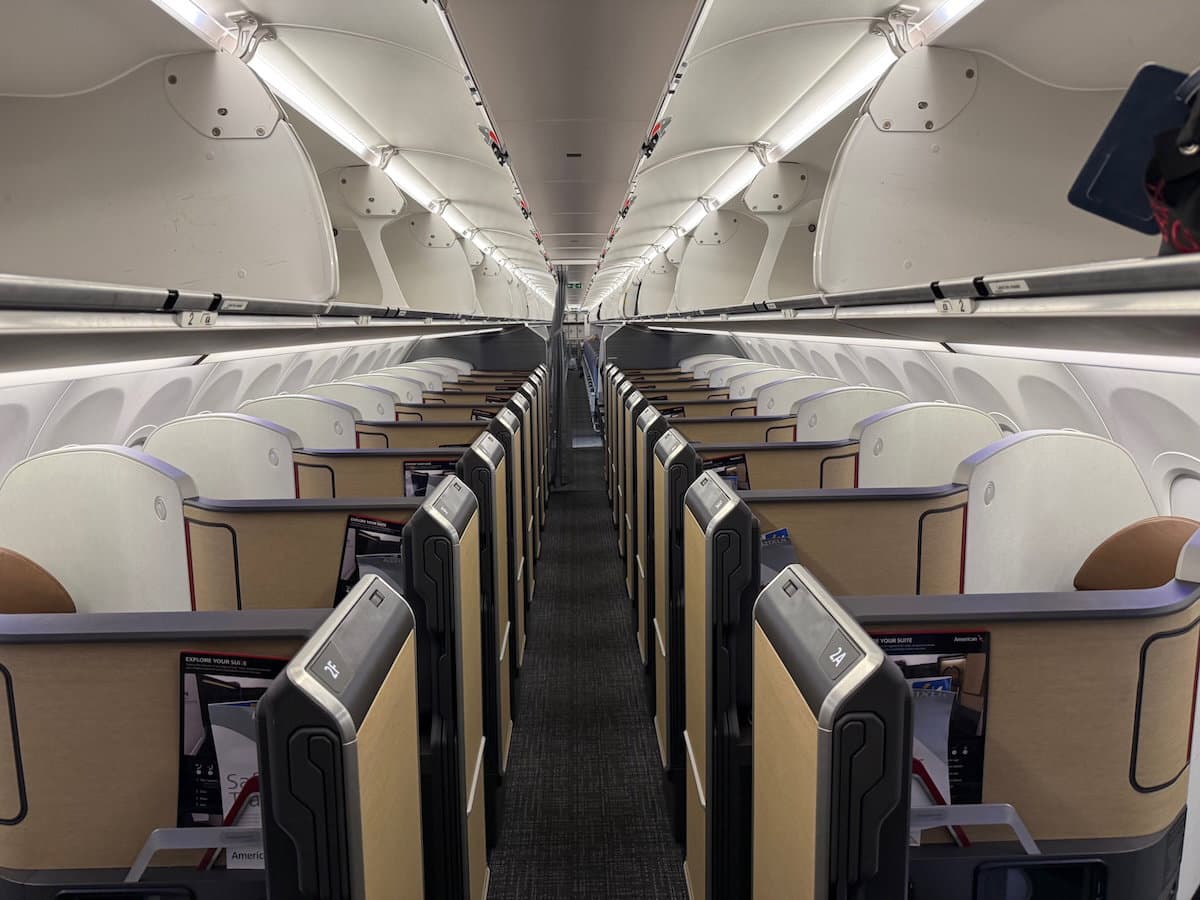
Management has now acknowledged that significant investment in customer experience is necessary. However, critics rightly ask whether this realization has come too late. Delta and United are not standing still; they are aggressively upgrading their own cabins, loyalty programs, and technology platforms. Closing that gap while your competitors are simultaneously widening it is an extraordinarily difficult task, regardless of who sits in the CEO's chair.
Why Robert Isom Is Under Pressure
Robert Isom took over as CEO of American Airlines in March 2022, stepping up from his role as President. He inherited a company already wrestling with post-pandemic recovery challenges, a bruising labor environment, and a strategic identity crisis that predated his tenure. To his credit, Isom has made some efforts to stabilize the airline's finances and repair relationships with corporate clients after a disastrous experiment that saw American cut ties with traditional travel agencies and global distribution systems.
However, the results under his leadership have not been enough to satisfy investors or silence critics. American continues to lag behind Delta and United on key financial metrics. The airline's profit margins remain under pressure, its operational reliability has drawn scrutiny, and the stock price tells a story the boardroom cannot ignore. Calls for a leadership change have grown louder from analysts and industry observers alike, with many arguing that a fresh strategic vision — and the executive to execute it — is desperately needed.
Enter Doug Parker: Savior or Symptom?
Doug Parker served as American Airlines' CEO from 2013 until 2022, having previously led US Airways and engineered the merger that created the modern American Airlines. His tenure was defined by some notable achievements — the airline achieved strong profitability in the mid-2010s — but also by decisions that many now view as having planted the seeds of American's current difficulties.
Under Parker, American made the choice to prioritize debt reduction and shareholder returns through stock buybacks rather than investing heavily in its product and fleet. While this approach looked smart during years of strong industry demand, it left the airline comparatively underprepared for the disruptions that followed. The premium product investments that Delta was quietly making for years while Parker focused on financial engineering are a significant reason why Delta enjoys such a commanding lead today.
Bringing Parker back would therefore carry a certain irony. The board would essentially be returning to the architect of several strategic decisions that contributed to the airline's current malaise and asking him to undo the damage. That said, Parker is a known quantity with deep institutional knowledge and relationships across the industry, and there is a school of thought — however controversial — that familiarity and experience could be valuable in a turnaround situation.
What This Means for American Airlines' Future
Regardless of whether the Doug Parker rumors materialize, they reveal something important about the state of American Airlines and its board. A competent, forward-thinking board would have addressed the leadership question long before industry whispers reached this level. The fact that the rumored solution involves looking backward rather than finding transformative new leadership suggests that the board itself may be part of the problem.
- American Airlines continues to trail Delta and United in profitability and product quality, creating genuine urgency around the leadership question.
- Any incoming CEO — whether Parker or someone new — will face the enormous challenge of accelerating investment while competitors are simultaneously raising the bar.
- The board's credibility is on the line, as many of its current members were involved in the strategic decisions that led to the airline's current position.
- Passengers and investors alike are watching closely, and confidence in American's direction remains fragile.
The bottom line is this: American Airlines needs bold, decisive, and forward-thinking leadership to compete in an industry that is moving faster than ever. Whether Doug Parker is that leader is a question reasonable people can debate. What is not debatable is that the status quo is not working, and the clock is ticking for a board that has already waited far too long to act.
Final Thoughts
The Doug Parker return rumor may ultimately prove to be nothing more than industry speculation. But the fact that it is being discussed at all is a signal worth taking seriously. It reflects deep anxiety about American Airlines' trajectory and a recognition that something fundamental must change if the carrier is to reclaim its position as a true competitor to Delta and United. Whatever happens next in the American Airlines boardroom, the airline's passengers, employees, and shareholders will all be waiting — and watching — very carefully.