
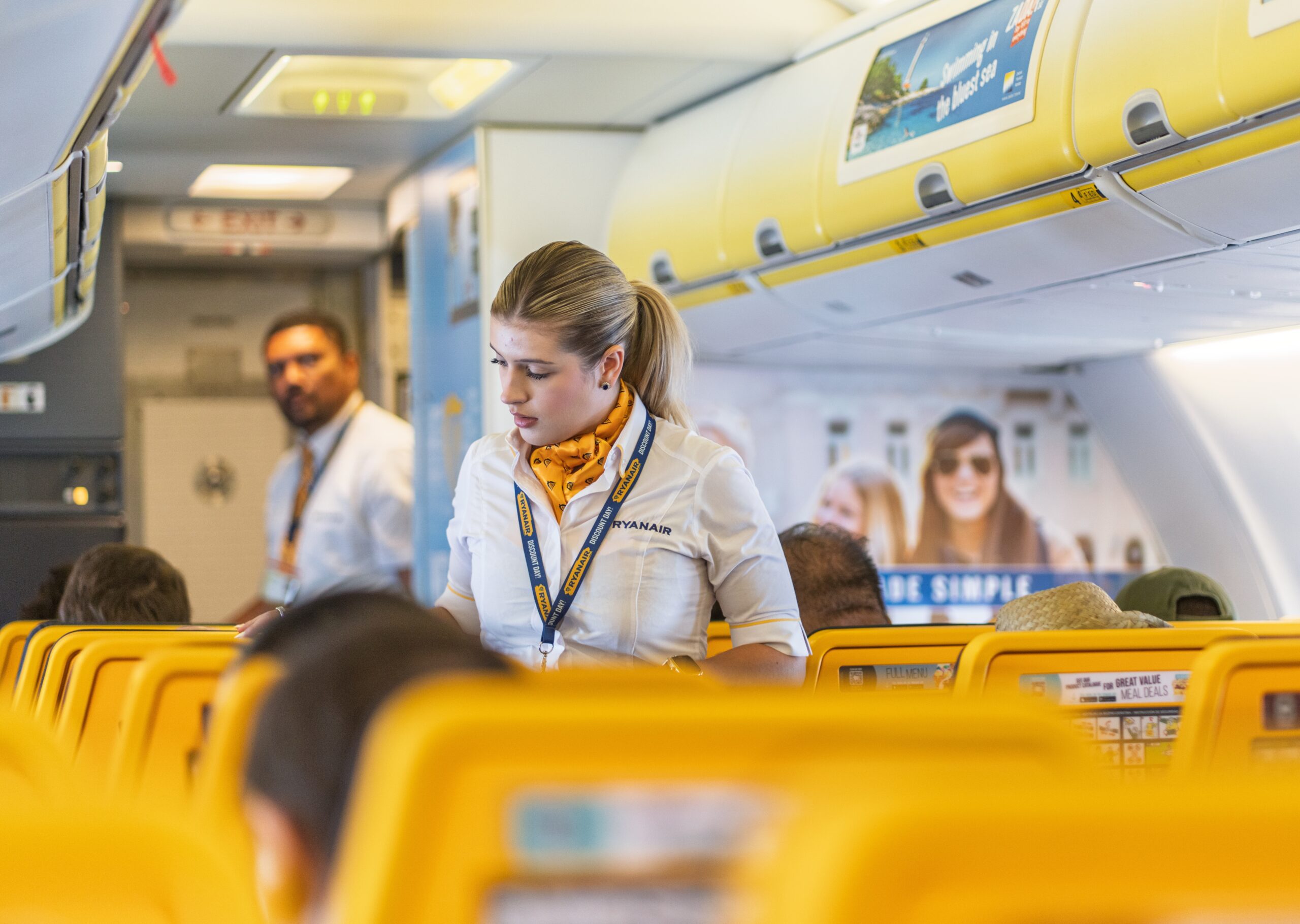
Ryanair Agrees to Let Families Sit Together for Free — But Only 'Reluctantly'
In a significant climbdown that has drawn widespread attention across the travel industry, Ryanair has announced it will allow families with young children to sit together on flights at no extra charge. The move comes after Britain's competition watchdog, the Competition and Markets Authority (CMA), launched a formal investigation into the low-cost carrier's seating fee practices — practices regulators described as "unfair" and potentially unlawful. True to form, Ryanair hasn't exactly embraced the change: the airline's own word for its decision was "reluctant," a telling choice that reveals just how commercially significant these fees have been to the budget airline's bottom line.
What Was Ryanair's Original Seating Policy for Families?
At the heart of the controversy is a policy that many parents have found deeply frustrating for years. Ryanair's terms and conditions require that children aged between 2 and 11 must be seated next to a parent or guardian on every flight. The problem? Until now, securing that adjacent seat came at a price. Families were being charged an average of £8 per seat to guarantee they could sit beside their own young children — a fee that, critics argued, amounted to exploiting a legal duty of care that parents cannot simply opt out of.
Think about what that means in practice. A family of four travelling with two young children could be paying an additional £16 or more just to comply with a requirement the airline itself had set. For budget-conscious families who chose Ryanair precisely because of its low base fares, these ancillary charges represented a significant and arguably unavoidable extra cost hidden behind the headline ticket price.
The CMA Steps In: Why UK Regulators Opened a Formal Investigation
The Competition and Markets Authority announced its investigation into Ryanair on June 11, 2026, specifically citing concerns about an "unfair contract term." The CMA's argument is straightforward and compelling: you cannot simultaneously require parents to sit next to their children and then charge them for the privilege of doing so. That combination, regulators suggested, creates a situation where consumers have no meaningful choice — they must pay or risk breaching the airline's own rules and, more critically, leaving a small child unattended mid-flight.
Under UK consumer protection law, contract terms that create a significant imbalance between the rights and obligations of a business and a consumer — particularly where the consumer has no reasonable alternative — can be deemed unfair and therefore unenforceable. The CMA's investigation signalled that it believed Ryanair's seat reservation policy for families may have crossed exactly that line.
This is not the first time a major airline has faced regulatory scrutiny over seating practices. Across Europe and beyond, consumer groups have long argued that the widespread airline practice of charging for seat selection — especially when it affects the ability of families to sit together — warrants stronger oversight. The CMA's action against Ryanair marked one of the most direct regulatory interventions on this specific issue in the UK to date.
What Ryanair's 'Reluctant' Concession Actually Means for Families
Following the CMA's announcement, Ryanair confirmed it would change its policy and allow parents or guardians of children aged 2 to 11 to sit beside their children free of charge. In practical terms, this means eligible families should no longer need to pay seat reservation fees simply to fulfil the seating requirement that Ryanair's own policies demand of them.
The word "reluctantly," used by the airline in its own communications about the decision, speaks volumes. Ryanair has built its entire business model on keeping base ticket prices low while generating substantial revenue from ancillary fees — everything from checked baggage and priority boarding to seat selection. Giving up seat fee income from a significant portion of its passengers is, from Ryanair's perspective, a genuine commercial sacrifice, even if regulators and consumer advocates see it simply as correcting an inherently unfair practice.
What This Means for the Wider Airline Industry
Ryanair's concession could have ripple effects well beyond its own booking pages. Other low-cost carriers operating in the UK and across Europe will be watching the CMA's investigation closely. If the regulator pushes forward and establishes a formal precedent — that charging families to sit together when an airline mandates that arrangement constitutes an unfair contract term — it could prompt similar policy changes industry-wide.
Consumer groups have already welcomed Ryanair's move, while cautioning that vigilance is still needed. Key questions remain, including:
- How will Ryanair implement the free seating guarantee in practice — will it be automatic at booking, or will families need to request it?
- Will the policy apply to all routes and all booking types, including third-party bookings made through comparison sites?
- What happens if suitable adjacent seats are not available at the time of booking — will Ryanair guarantee reseating at check-in?
- Will the CMA continue its investigation to establish binding legal precedent, or will Ryanair's voluntary concession be enough to close the case?
Tips for Families Flying with Budget Airlines
While Ryanair's policy change is a welcome development, families booking with any budget airline should still take steps to protect themselves and ensure a smooth travel experience.
- Book early. The earlier you book, the more seat options are typically available, and any free family seating guarantees are easier to action with a fuller inventory of seats.
- Document the policy. Before you fly, screenshot or save the airline's current seating policy for families so you have a reference if there is a dispute at the airport or during check-in.
- Contact customer services in advance. If the system does not automatically place you next to your child, reach out to the airline before your travel date rather than leaving it to chance at the gate.
- Know your rights. In the UK, the CMA and Civil Aviation Authority (CAA) both have remits that touch on passenger rights and unfair commercial practices. Knowing which body to contact if something goes wrong is genuinely useful.
- Compare the true cost. Always calculate the all-in cost of a budget airline ticket, including any mandatory or practically unavoidable fees, before comparing it to alternatives.
The Bottom Line
Ryanair's decision to allow families with children aged 2 to 11 to sit together for free — however reluctantly it has come — represents a meaningful win for British consumers and a clear signal that regulators are prepared to act when airline fee structures cross the line from legitimate commercial practice into unfair territory. The CMA's investigation shone a spotlight on a policy that many families had complained about for years but felt powerless to challenge on their own. Whether this leads to a broader, binding regulatory outcome or remains a voluntary concession unique to Ryanair remains to be seen. Either way, travelling families in the UK have one less hidden fee to worry about the next time they book a Ryanair flight — and that, whatever the airline's feelings on the matter, is genuinely good news.