
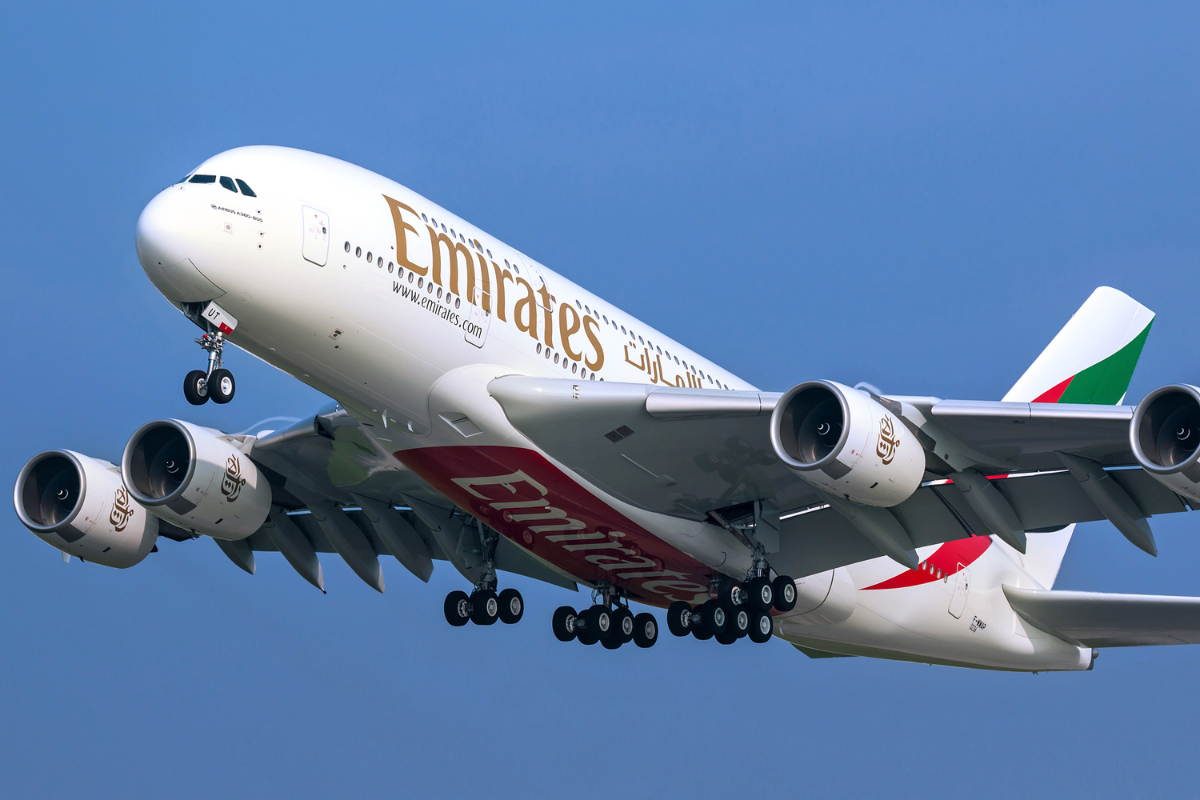
Emirates Grounds Five A380 Superjumbos Over Wing Crack Safety Warning
Dubai-based mega carrier Emirates has been forced to ground five of its iconic Airbus A380 superjumbo aircraft following an urgent safety warning from European aviation regulators. The grounding comes after cracks were discovered in the middle spars of the aircraft's massive wings — a structural component that effectively serves as the internal backbone of the wing assembly. The development has sent shockwaves through the aviation industry, raising serious questions about the long-term structural integrity of one of the world's most recognizable and beloved passenger aircraft.
What Is the EASA Emergency Airworthiness Directive?
The European Aviation Safety Agency (EASA), the body responsible for international safety oversight of all Airbus-manufactured aircraft, issued an emergency airworthiness directive covering 16 Airbus A380 superjumbos. Of those 16 aircraft flagged in the directive, five — all belonging to Emirates — were deemed to require immediate grounding so that urgent structural inspections could be carried out without delay.
An airworthiness directive is a legally binding regulatory order issued by an aviation authority that mandates specific inspections, repairs, or modifications to aircraft. When an emergency directive is issued, it signals that the identified risk is considered serious enough to warrant immediate action rather than a scheduled response. In this case, EASA's language was clear and unambiguous: cracks had been found in wing middle spars, and if left undetected or uncorrected, this condition could reduce the structural integrity of the wing itself.
Which Emirates A380 Aircraft Have Been Grounded?
The five Emirates A380 aircraft that have been ordered to undergo immediate grounding and inspection are identified by both their airline registration numbers and their Manufacturer's Serial Numbers (MSN), which are assigned by Airbus before an aircraft enters service. Unlike airline registration numbers, which can change if an aircraft is transferred between carriers, the MSN remains permanently attached to the airframe throughout its operational life. The five aircraft in question are:
- A6-EOO — also known as MSN190
- A6-EOR — also known as MSN202
- A6-EOS — also known as MSN203
- A6-EOY — also known as MSN209
- A6-EUP — also known as MSN228
These aircraft are among the hundreds of A380s that have been in service with Emirates, the world's largest operator of the double-decker superjumbo. Emirates has long been the backbone of the A380 program, operating the type on routes across six continents and continuing to expand its A380 fleet even as other airlines retired theirs during the COVID-19 pandemic years.
A History of Warnings: When Did EASA First Raise the Alarm?
This is not the first time EASA has raised concerns about cracking in the wing structures of the A380. As far back as December, the agency issued a preliminary airworthiness notice warning that occurrences had been reported of cracks forming in the wing middle spars of several A380 aeroplanes. In that notice, EASA stated explicitly: "This condition, if not detected and corrected, could reduce the structural integrity of the wing."
The December notice specifically required airlines to inspect affected aircraft that had been placed in long-term storage for a period of 12 months or more. This detail is particularly significant given that the COVID-19 pandemic led to mass groundings of commercial fleets worldwide between 2020 and 2022, with many wide-body aircraft including A380s sitting idle in desert storage facilities for extended periods. Prolonged storage, combined with cycles of extreme heat and cold, can accelerate certain forms of material fatigue and structural degradation in aircraft components.
Following the December directive, airlines began conducting inspection work on their affected A380 fleets. It was the results of those inspections — carried out in cooperation between Airbus and EASA — that ultimately led to the current emergency directive and the grounding of the five Emirates aircraft.
What Are Wing Middle Spars and Why Do They Matter?
To understand the severity of this issue, it helps to know what a wing spar actually is. Wing spars are the primary structural elements that run along the length of an aircraft's wing from root to tip. They bear the enormous aerodynamic loads generated during flight, including lift forces, turbulence stress, and the weight of fuel stored in the wing tanks. The middle spar, as the name suggests, runs along the center of the wing structure and plays a critical role in maintaining the overall rigidity and load-bearing capacity of the wing assembly.
Cracks in a wing spar are treated with the utmost seriousness in aviation maintenance because they can propagate over time under cyclic loading — the constant stress and relaxation experienced during every takeoff, flight, and landing cycle. If undetected, spar cracks can eventually compromise the wing's ability to handle normal flight loads, creating a potential catastrophic failure risk. This is precisely why EASA escalated its response from a standard notice to a full emergency airworthiness directive.
What Happens Next for Emirates and the A380 Fleet?
Emirates has not yet issued a detailed public statement on the operational impact of the groundings, but the airline is expected to work swiftly with Airbus engineering teams to carry out the required inspections and any necessary structural repairs or reinforcements on the five affected aircraft. Given that Emirates operates well over 100 A380s, the grounding of five aircraft represents a manageable but nonetheless disruptive operational challenge, particularly on high-demand routes where the superjumbo's 500-plus seat capacity plays a key role in network planning.
For the wider A380 community, which includes operators such as Qantas, Singapore Airlines, and Lufthansa, this directive will serve as an important reminder that aging wide-body aircraft require rigorous and continuous structural monitoring. As the global A380 fleet accumulates flight cycles and calendar years, proactive inspection regimes will be essential to keeping the world's largest commercial passenger aircraft safely in the skies.
Aviation authorities around the world will be watching closely as inspections progress and results are analyzed, with further directives possible depending on what additional findings emerge across the broader fleet of 16 aircraft named in EASA's original emergency order.