
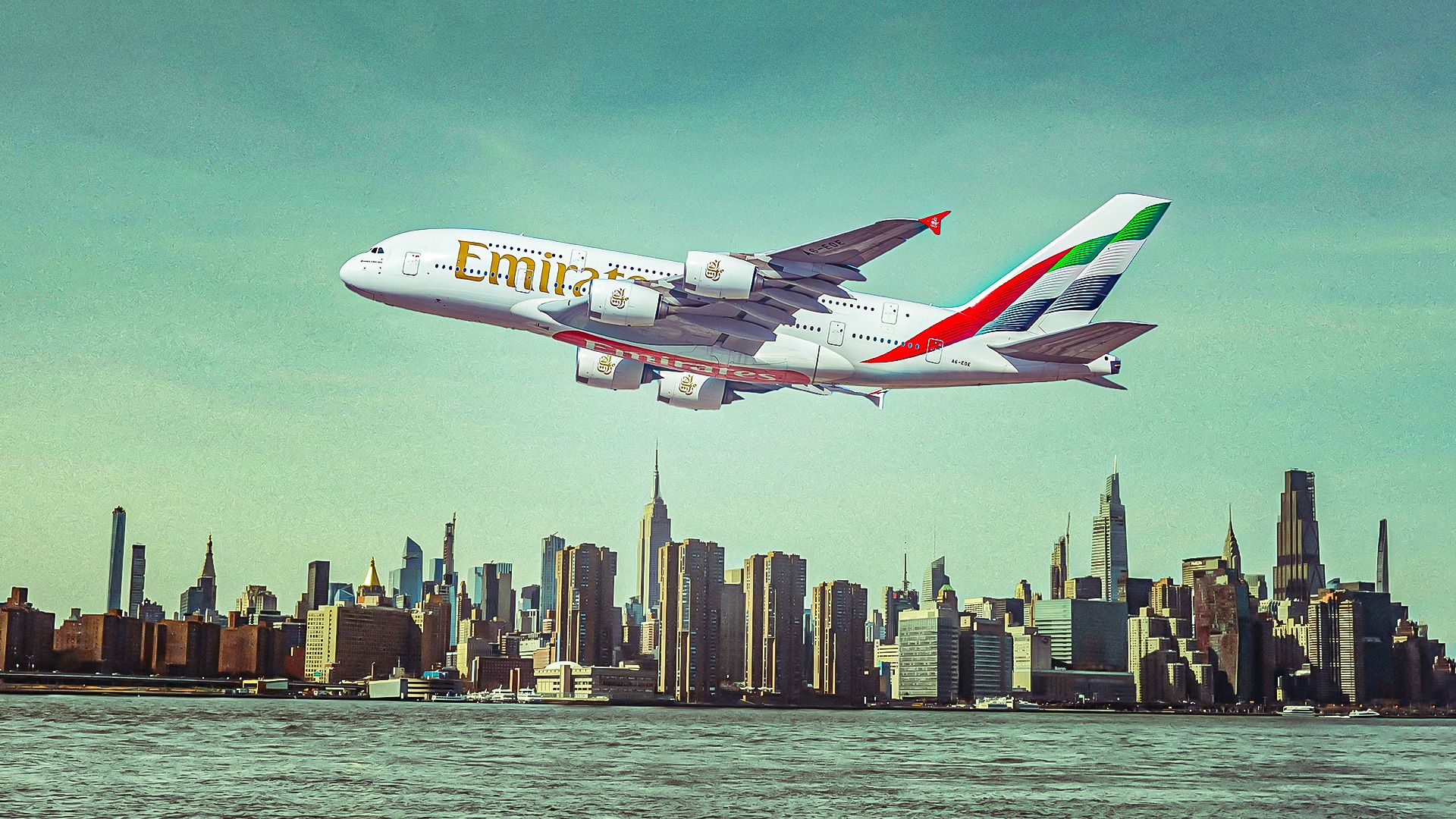
EASA Orders Emergency Inspections on 16 Airbus A380s Following Wing Spar Crack Discovery
The European Union Aviation Safety Agency (EASA) has issued an urgent directive requiring emergency inspections on 16 Airbus A380 aircraft after cracks were discovered in a critical structural component of the iconic double-decker superjumbo. The inspections are focused specifically on the wing spar components — one of the most structurally significant elements of any large commercial aircraft. This development has drawn widespread attention from aviation safety experts, airlines, and passengers alike, raising questions about the long-term airworthiness of one of the world's most recognizable jets.
What Are Wing Spars and Why Do They Matter?
To understand the gravity of this directive, it helps to know what wing spars actually do. Wing spars are the primary load-bearing structural members that run lengthwise through an aircraft's wings. They are essentially the backbone of the wing structure, responsible for carrying the enormous forces generated during flight — including lift, bending loads, and the weight of fuel stored in the wings themselves.
On a massive aircraft like the Airbus A380, which has a maximum takeoff weight of approximately 575,000 kilograms and a wingspan of nearly 80 meters, the demands placed on wing spars are extraordinary. Any crack or structural compromise in these components is treated with the utmost seriousness by aviation regulators, which is precisely why EASA moved quickly to issue an emergency airworthiness directive targeting the affected fleet.
Cracks in metal structural components of aircraft can propagate over time due to metal fatigue — a phenomenon caused by the repeated stress cycles that wings experience during every single flight. Each takeoff and landing cycle, and every instance of turbulence or load variation in between, contributes incrementally to material stress. If left undetected and unaddressed, fatigue cracks can compromise the structural integrity of a wing in ways that could ultimately pose serious safety risks.
Which Aircraft Are Affected?
EASA's directive applies to 16 specific Airbus A380 aircraft that have been identified as requiring urgent inspection. While the agency has not publicly named every operator whose aircraft are included in the order, the A380 is flown by a relatively small number of carriers worldwide, including Emirates, Singapore Airlines, Qantas, Lufthansa, British Airways, Air France, Korean Air, and a handful of others. Emirates operates by far the largest A380 fleet in the world, with well over 100 of the type in service, making it statistically the most likely operator to have multiple aircraft caught by the directive.
The affected aircraft will need to undergo thorough inspections of their wing spar assemblies before they can continue normal commercial operations. EASA has classified these inspections as emergency in nature, which means the timeline for compliance is significantly shorter than standard airworthiness directives. Airlines cannot simply schedule these checks at their next convenient maintenance window — the urgency of the directive demands swift action.
The Airbus A380: A History of Structural Scrutiny
This is not the first time the Airbus A380 has faced scrutiny over structural concerns. In the years following the aircraft's entry into service in 2007, various inspections and technical bulletins have been issued addressing different elements of the airframe. In particular, issues with wing rib feet cracking came to light in the early 2010s, prompting inspections across the global A380 fleet. While those issues were managed and resolved without any safety incidents, they demonstrated the kind of rigorous monitoring that regulators and manufacturers apply to large commercial aircraft throughout their operational lives.
It is worth emphasizing that the discovery of cracks through routine or enhanced inspection programs is, in many ways, evidence that aviation safety systems are working as intended. Aircraft are designed with multiple redundancies, and airworthiness directives exist precisely to ensure that any potential structural concern is identified and corrected long before it could lead to an incident. The fact that EASA has acted quickly and decisively here is a sign of a regulatory system functioning properly, not cause for alarm about flying on an A380.
What Happens Next?
Once the 16 affected aircraft complete their inspections, the findings will inform what corrective actions, if any, are required. In some cases, inspections may reveal that cracks are within acceptable tolerances or are isolated to specific airframes. In other cases, repair or component replacement may be necessary before an aircraft is cleared to return to service. Airbus will work closely with EASA and the affected airlines to determine the appropriate course of action for each individual aircraft.
Airlines operating the affected jets will be working urgently behind the scenes to schedule inspections, potentially adjusting routes and flight schedules to accommodate aircraft temporarily pulled from service. For passengers, this may result in some disruptions, though airlines generally maintain reserve fleets and have contingency protocols to minimize the impact on travelers.
Passenger Safety Remains the Top Priority
Aviation regulators and airlines are quick to stress that passenger safety is the non-negotiable priority in situations like this. The Airbus A380 remains one of the most extensively tested and carefully monitored commercial aircraft ever built. With its four engines, redundant systems, and conservative structural design margins, the superjumbo has an excellent safety record throughout its operational history.
EASA's prompt issuance of an emergency airworthiness directive underscores the proactive approach that defines modern aviation safety culture. Rather than waiting for a problem to escalate, regulators intervene early — grounding aircraft for inspection and repair when necessary — to ensure that the skies remain as safe as possible for the millions of people who travel by air every day.
As the inspections proceed and more information becomes available, aviation analysts will be watching closely to understand the full scope of the issue and whether additional aircraft beyond the initial 16 may require attention. For now, the message from EASA is clear: structural integrity cannot be compromised, and when cracks are found, action will be taken without delay.