
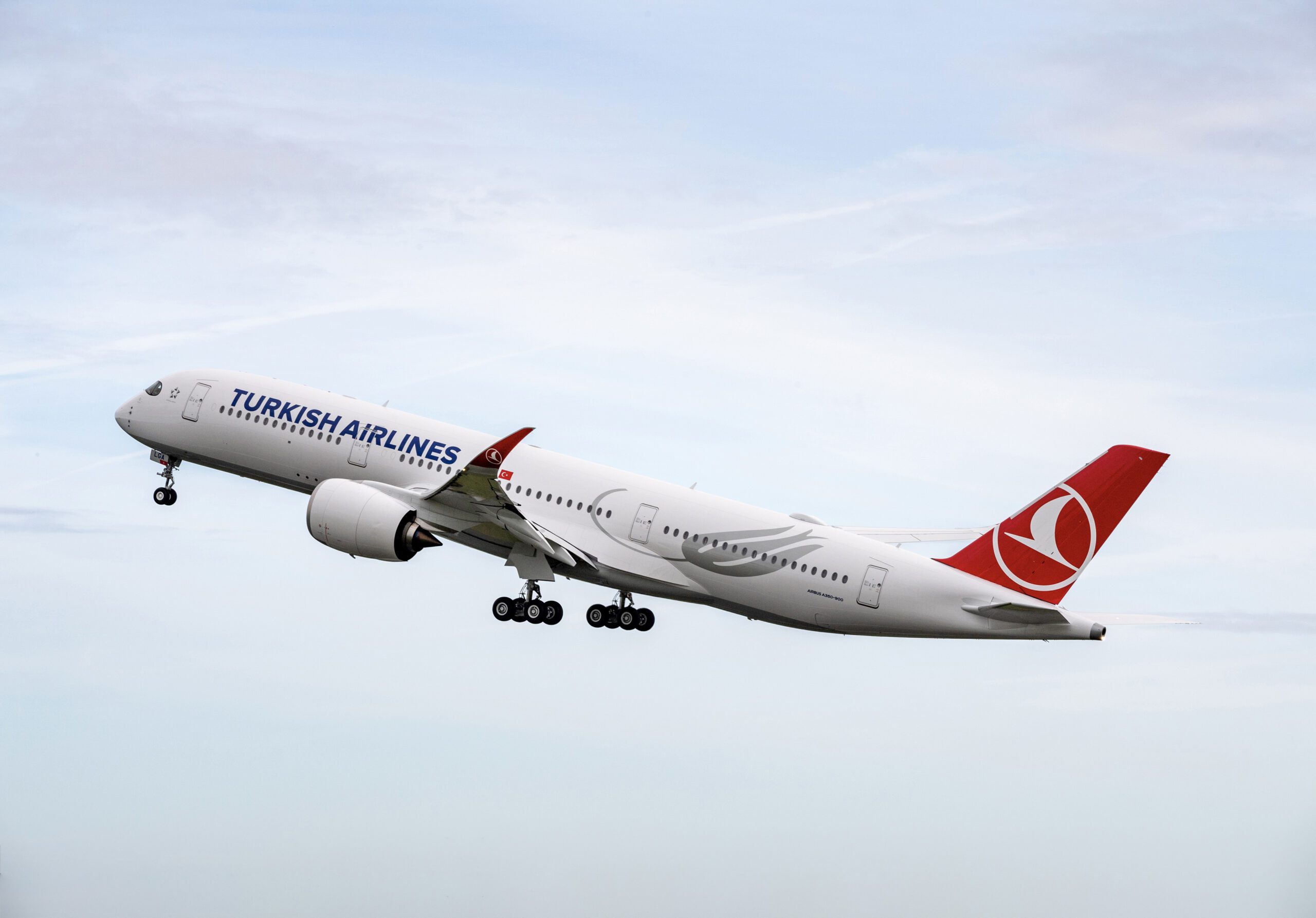
Turkish Airlines Is Bringing Back Premium Economy After a Decade-Long Absence
Turkish Airlines has officially confirmed that it will resurrect its Premium Economy cabin on select long-haul aircraft, marking a significant shift in strategy for one of the world's largest and most recognized carriers. The announcement comes more than ten years after the Istanbul-based airline quietly phased out the product — a cabin class specifically designed to bridge the gap between Economy and Business Class. For frequent flyers who have long wished for a middle-ground option on Turkish Airlines flights, this news is nothing short of a game changer.
What Is Premium Economy and Why Does It Matter?
Premium Economy is a cabin class that sits comfortably between the budget-friendly confines of Economy Class and the high-cost luxury of Business Class. Typically offering wider seats, increased legroom, enhanced meal service, and additional amenities like better headphones and priority boarding, Premium Economy appeals to a broad range of travelers. These include business travelers who cannot justify the cost of a full Business Class ticket, as well as leisure travelers who want a more comfortable long-haul experience without breaking the bank.
The concept has grown considerably in popularity over the past two decades. Major international carriers such as Air France, Lufthansa, Qatar Airways, and Japan Airlines have all invested heavily in their own Premium Economy products, recognizing it as a valuable revenue stream and a powerful tool for passenger loyalty. Turkish Airlines' decision to re-enter this space signals that the airline sees a clear opportunity to compete more aggressively on long-haul routes where passenger comfort expectations continue to rise.
A Brief History of Premium Economy in Aviation
The origins of Premium Economy can be traced back to the early 1990s, when two pioneering airlines — EVA Air of Taiwan and Virgin Atlantic of the United Kingdom — both introduced wider, more comfortable seats that, at the time, more closely resembled Business Class seating than what economy passengers were used to. The debate over which airline actually introduced the concept first remains a topic of discussion among aviation historians and enthusiasts, though EVA Air is widely credited with having a slight edge in timing.
From those early days, Premium Economy evolved substantially. Airlines began differentiating the cabin with dedicated overhead storage, priority check-in, improved in-flight entertainment systems, and better dining options. Over time, the product became a staple offering among long-haul carriers, particularly those operating wide-body aircraft like the Boeing 777, Boeing 787 Dreamliner, and Airbus A350.
Turkish Airlines and Its Previous Premium Economy Experience
Turkish Airlines had its own run with Premium Economy before ultimately deciding to abandon it. The airline phased out the cabin more than a decade ago, opting instead to focus investment on its Business Class product, which has consistently earned high marks from passengers and industry reviewers alike. Turkish Airlines Business Class, especially on newer wide-body jets, has become one of the better-regarded long-haul products in the sky, featuring lie-flat seats, a la carte dining, and attentive service.
However, leaving a gap between Economy and Business Class also meant leaving money on the table. Travelers who found Economy too cramped for a ten-hour flight to the United States or Southeast Asia but could not stretch their budgets to Business Class had no middle option with Turkish Airlines. This is the gap the airline now intends to fill.
What to Expect From the New Turkish Airlines Premium Economy
While Turkish Airlines has not yet released every detail about its upcoming Premium Economy product, renderings associated with the announcement have pointed toward the use of Royalux seats — a seat design that suggests a thoughtfully considered and competitive offering. Based on what is known so far, passengers can likely expect the following improvements over standard Economy Class:
- Wider seats with increased recline and more legroom
- Enhanced in-flight entertainment with larger personal screens
- Priority boarding and dedicated check-in lanes
- Upgraded meal service with better menu options and tableware
- Greater baggage allowances than standard Economy tickets
- Additional amenities such as enhanced pillows, blankets, and amenity kits
The cabin is expected to roll out on select long-haul aircraft, suggesting Turkish Airlines will initially deploy the product on high-demand routes before potentially expanding it across a broader portion of its wide-body fleet.
Why This Move Makes Sense for Turkish Airlines
Turkish Airlines operates one of the most extensive international route networks in the world, connecting passengers through its Istanbul hub to destinations across Europe, the Americas, Africa, Asia, and beyond. The airline's hub-and-spoke model at Istanbul Airport gives it a unique position in the market, and adding a competitive Premium Economy product could attract a new segment of travelers who currently choose competitors like Qatar Airways or Emirates for long-haul comfort.
From a revenue management perspective, Premium Economy cabins typically generate higher yield per seat than Economy while being far less expensive to operate than Business Class in terms of seat count. Airlines that successfully position their Premium Economy product often find it becomes one of their most profitable cabins per square meter of cabin space.
What This Means for Travelers Booking Turkish Airlines
For passengers currently planning long-haul travel and considering Turkish Airlines, the return of Premium Economy is worth watching closely. Once the cabin launches, it will offer a compelling new option for anyone flying routes such as Istanbul to New York, Los Angeles, Chicago, or long transoceanic journeys to destinations in Asia or South America.
Travelers who have previously felt priced out of Turkish Airlines Business Class but underwhelmed by the Economy experience on ultra-long flights will finally have a viable alternative. It is also worth checking whether miles accrued through Turkish Airlines' Miles&Smiles frequent flyer program can be used to upgrade into or book the new cabin outright, as loyalty program integration will be a key factor in how attractive the product proves to be for repeat customers.
The Bottom Line
Turkish Airlines' decision to bring back Premium Economy after more than a decade is a bold and strategically sound move. As passenger expectations on long-haul flights continue to evolve and competition among global airlines intensifies, having a well-designed middle cabin is no longer optional for a carrier of Turkish Airlines' stature — it is essential. With renderings already in circulation and confirmed plans underway, the aviation world will be watching closely to see exactly when and how this revived product takes to the skies. For travelers who have long been waiting for a more comfortable and affordable way to fly long-haul with Turkish Airlines, that wait may finally be coming to an end.