
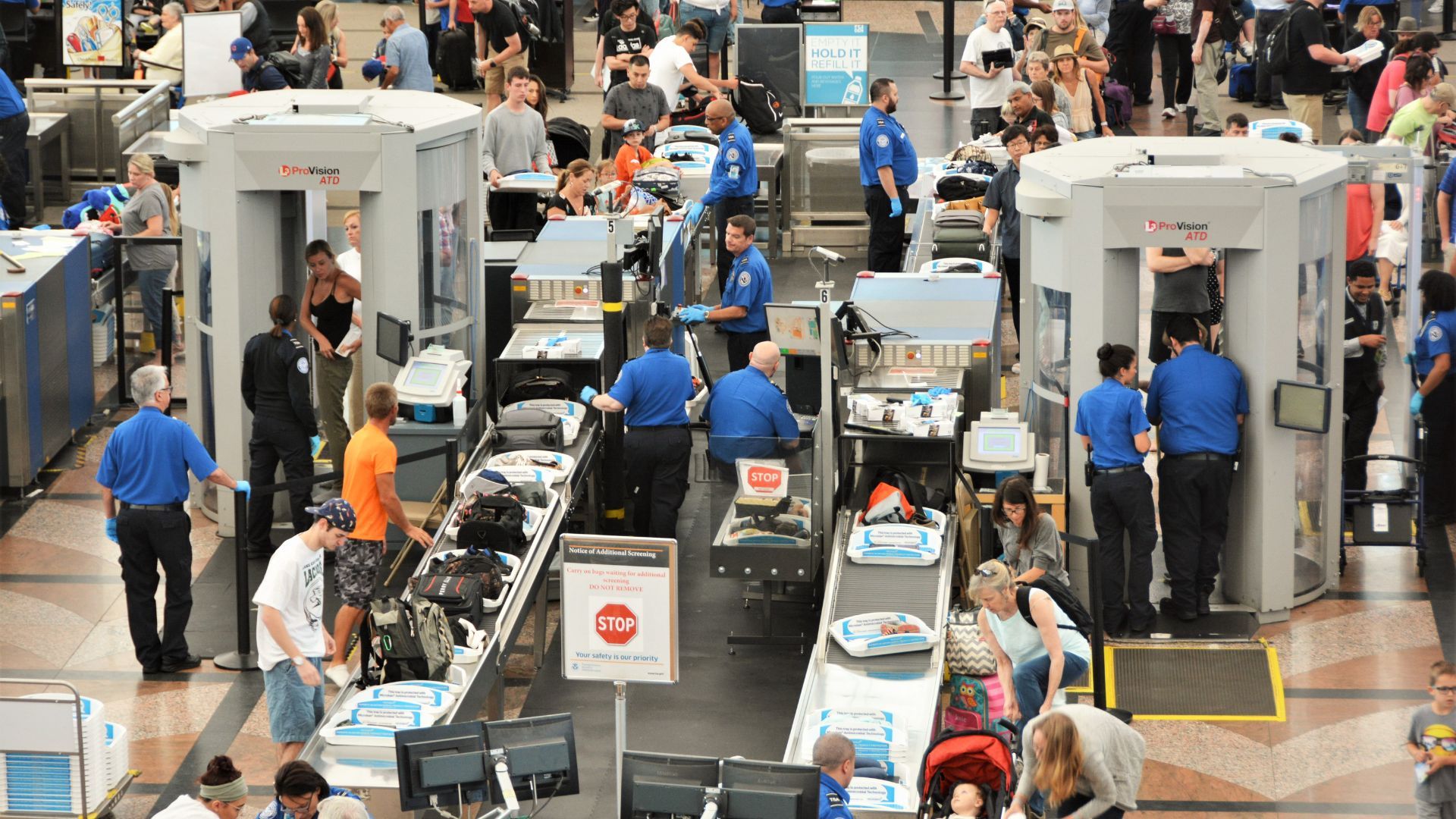
TSA Braces for One of the Busiest 4th of July Travel Periods in History
If you're planning to fly this Independence Day, brace yourself for packed terminals, long lines, and crowded skies. The Transportation Security Administration (TSA) is forecasting that approximately 18.7 million passengers will pass through airport security checkpoints during the seven-day Fourth of July travel period, spanning from June 30 through July 6. That staggering number would make this holiday window one of the busiest in the agency's entire history — a record-setting milestone that every traveler needs to be aware of before heading to the airport.
With summer travel demand surging across the country, airports are preparing for an unprecedented influx of passengers. Whether you're flying domestically to see family or jetting off on an international getaway, understanding what's ahead can mean the difference between a smooth trip and a stressful ordeal.
Peak Travel Day: July 2 Expected to Be the Busiest Single Day
Among all the days in the holiday travel window, Thursday, July 2, stands out as the single busiest. TSA officials are anticipating more than three million travelers to pass through security checkpoints on that day alone. This surge is largely driven by the classic pattern of Americans wanting to reach their destinations well before the holiday itself, giving them a full July 4th celebration before returning home over the weekend.
If your travel plans give you any flexibility at all, avoiding July 2 could save you significant time and frustration. Flights on the days immediately surrounding the core holiday dates tend to be both more crowded and more susceptible to delays, as airlines and airport staff work overtime to manage the volume.
Why Is 4th of July Travel So Heavy This Year?
Several factors are converging to make this particular July 4th travel season exceptionally busy. Post-pandemic travel demand has continued to climb steadily, and Americans are showing no signs of slowing down their appetite for leisure travel. The placement of Independence Day on a Friday this year creates a natural long weekend that encourages more people to book flights rather than simply drive to nearby destinations.
Additionally, airfare prices, while still elevated compared to pre-pandemic norms, have remained competitive enough to keep demand high. Coupled with a robust job market and pent-up desire for summer vacations, the conditions are perfectly set for a record-breaking travel rush.
What Travelers Should Expect at Airport Security Checkpoints
With nearly 19 million people moving through TSA checkpoints over just seven days, wait times at security are expected to be significantly longer than usual — especially at major hub airports. Here's what travelers can realistically expect:
- Extended wait times: Even with TSA PreCheck, lines are likely to be longer than normal during peak hours. Standard checkpoint lanes at major airports could see waits exceeding 30 to 60 minutes during the busiest parts of the day.
- Higher foot traffic throughout terminals: Gate areas, restaurants, and restrooms will all be operating at or near capacity. Arriving early will help you navigate the terminal without feeling rushed.
- Increased staffing from TSA: The agency typically deploys additional officers and opens extra screening lanes during major holidays to help manage the volume, but travelers should still plan accordingly.
- Potential for flight delays: Heavy air traffic combined with summer weather patterns — including afternoon thunderstorms in many regions — can cause cascading delays throughout the national airspace system.
Top Tips for Surviving the 4th of July Travel Rush
Preparation is your single greatest asset when flying during a major holiday period. The more you plan ahead, the better your chances of moving through the airport efficiently and reaching your destination on time.
Arrive Earlier Than You Think You Need To
TSA and airline officials consistently recommend that travelers arrive at least two hours before a domestic flight and three hours before an international departure under normal conditions. During the 4th of July rush, padding that time even further — by 30 to 60 additional minutes — is a wise move. Unexpected delays in parking, shuttle transport, check-in, or baggage drop can all compound into a missed flight if your margins are too thin.
Enroll in TSA PreCheck or CLEAR
If you haven't already enrolled in TSA PreCheck or CLEAR, there's no better motivation than a record-setting holiday travel rush. TSA PreCheck allows eligible passengers to use dedicated expedited screening lanes where you typically don't need to remove shoes, laptops, or liquids from your bag. CLEAR uses biometric verification to move you to the front of the identity verification line. Both programs can dramatically reduce your wait time at security.
Pack Smart and Know the Rules
One of the most common causes of slowdowns at security checkpoints is improper packing. Ensure that all liquids comply with the TSA's 3-1-1 rule — containers of 3.4 ounces or less, packed in a single quart-sized clear bag, one bag per passenger. Keep this bag and any electronics easily accessible so they can be removed quickly at the checkpoint. Avoid packing prohibited items that will trigger additional screening and slow down the line for everyone.
Monitor Your Flight Status in Real Time
Download your airline's app and enable push notifications for your flight before you leave home. Real-time updates on gate changes, delays, and cancellations will allow you to adapt quickly, whether that means taking your time or rushing to a new gate across the terminal.
The Bigger Picture: A Sign of Continued Travel Growth
The TSA's forecast of 18.7 million screened passengers over this holiday period isn't just a logistical challenge — it's a clear indicator of how resilient and robust American travel demand has become. Year over year, holiday travel numbers continue to climb, pushing airports, airlines, and security agencies to continuously expand capacity and improve operations.
For travelers, the message is simple: the skies are fuller than ever this 4th of July. Go in prepared, stay patient, and give yourself the time you need. A little extra planning now can protect what should be a memorable and enjoyable holiday celebration.