
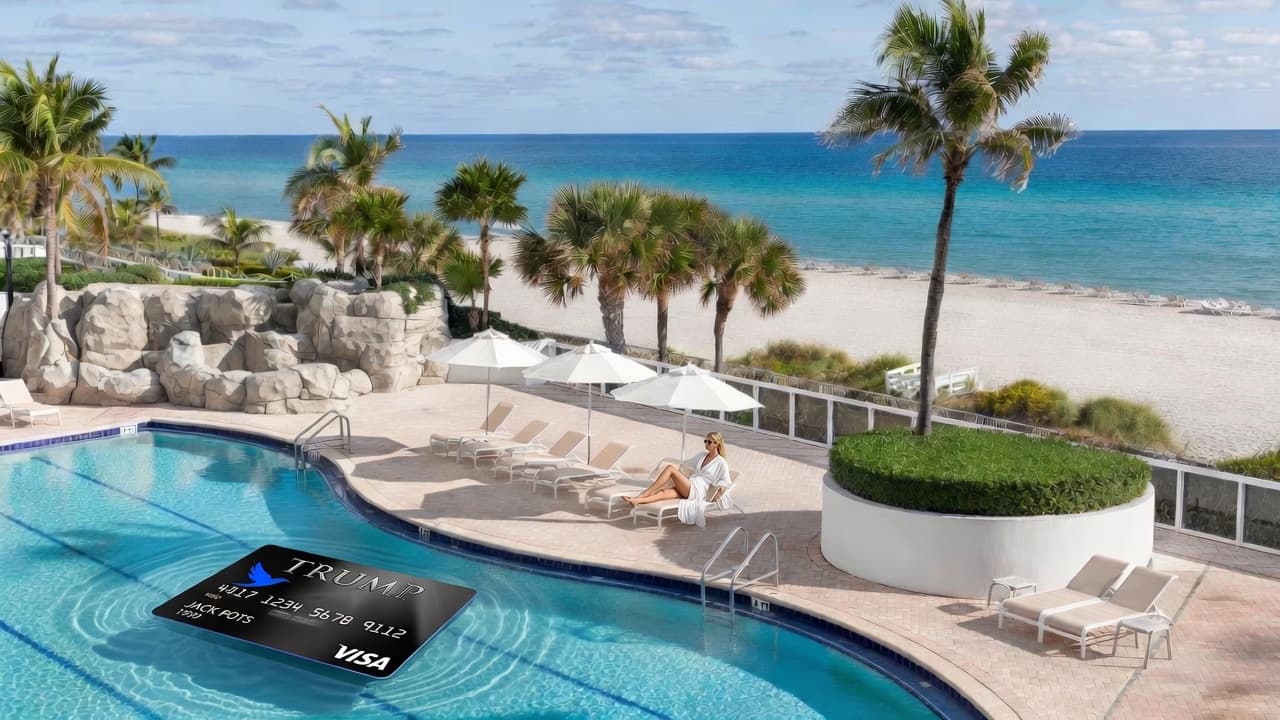
Trump Hotel Front Desk Agent Arrested in Elaborate Cash-for-Points Scheme
A front desk agent at the Trump International Beach Resort in Sunny Isles, Florida, has been arrested after allegedly running a brazen scheme that involved pocketing cash payments from hotel guests, voiding those transactions in the system, and then quietly paying the guests' bills himself using his own personal credit card — all to rack up rewards points. While the hotel reported a direct financial loss of just over $3,100 in card processing fees, investigators say the scheme itself funneled more than $100,000 in cash charges through the employee's hands. The case has drawn significant attention not only for its audacity but also for an unexpected immigration-related twist that emerged during the arrest.
How the Alleged Scheme Worked
According to investigators, the front desk agent's method was deceptively simple and difficult to detect at a glance. When guests checked out and paid their bills in cash, the employee allegedly accepted the money as normal. Behind the scenes, however, he would void the cash transaction from the hotel's records and substitute his own personal credit card as the payment method. The hotel would receive its money either way, but the employee would walk away with the guest's cash in his pocket — and earn credit card rewards points on top of it.
This type of fraud is sometimes called a "transaction substitution" scheme and is particularly hard to catch in high-volume hospitality environments where dozens of checkouts happen each day. Because the hotel's books balanced at the end of each shift — the bills were technically being paid — the manipulation could go unnoticed for extended periods. It was only the accumulation of card processing fees and a closer audit of payment records that appear to have flagged the irregularities.
The Scale of the Operation
The numbers involved paint a striking picture. While the Trump International Beach Resort listed its formal financial loss at just over $3,100 — representing the credit card transaction fees incurred each time the employee used his personal card in place of a guest's cash — the total value of cash charges that allegedly passed through the worker's scheme exceeded $100,000. That figure illustrates just how long the alleged operation may have been running and how many individual guest transactions could have been involved before the hotel's management identified the problem.
For context, credit card processing fees typically run between 1.5% and 3.5% of each transaction. If the hotel's stated loss of roughly $3,100 represents those fees on $100,000 worth of charges, the math aligns closely with industry-standard processing rates. This means the employee was potentially cycling through enormous sums of guest cash while the hotel, on paper, saw only the relatively minor cost of accepting card payments.
Trump International Beach Resort: The Setting
The Trump International Beach Resort is a luxury oceanfront property located in Sunny Isles Beach, a city in Miami-Dade County, Florida. The area is known for its concentration of high-rise towers, affluent residents, and a steady flow of international tourists, making luxury hotel stays — and therefore large cash transactions — a routine part of business. The resort operates under the Trump Hotels brand and caters to an upscale clientele, meaning the cash payments being exploited were often substantial.
The profile of the property matters in understanding the scope of the alleged fraud. High-end hotels frequently handle large cash settlements from international guests who may prefer not to use foreign credit cards, making the front desk a natural chokepoint for significant sums of money moving through an employee's hands daily.
The Immigration Hold: An Unexpected Complication
The case gained an additional layer of public interest due to what authorities described as an immigration hold placed on the accused employee following his arrest. While details surrounding this aspect of the case remain limited, the existence of an immigration detainer suggests that federal immigration authorities flagged the individual as a person of interest under immigration enforcement protocols. This element has added a separate and politically charged dimension to what might otherwise have been a straightforward employee theft case, given the Trump brand's association with immigration policy debates.
Immigration holds are issued when federal authorities believe a detained individual may be in the country unlawfully or subject to removal proceedings. The hold does not automatically indicate guilt on immigration charges, but it does mean the individual could face a dual legal process — one on the criminal fraud charges and another through the immigration system.
What This Case Reveals About Hotel Fraud Risks
The alleged scheme at the Trump International Beach Resort highlights vulnerabilities that exist across the hospitality industry, particularly at the front desk level where employees handle both cash and digital payment systems simultaneously.
- Hotels that process significant volumes of cash payments should conduct regular, randomized audits that cross-reference payment method logs against cash receipts.
- Point-of-sale systems should flag unusual patterns, such as a single employee voiding and reprocessing an above-average number of transactions.
- Management should monitor individual employee credit card usage on company systems to detect personal cards being used in guest-facing transactions.
- Employee rewards or recognition programs tied to performance metrics should be carefully structured to avoid creating unintended incentives for manipulation.
Broader Implications for Hospitality Security
Hotel chains and independent properties alike invest heavily in cybersecurity and fraud prevention aimed at protecting digital systems, yet internal employee fraud remains one of the most persistent and costly threats the industry faces. According to the Association of Certified Fraud Examiners, employee theft and occupational fraud cost organizations worldwide an estimated 5% of their annual revenues. In hospitality, where margins are already tight and transaction volumes are high, even a single bad actor at a front desk can generate significant losses before detection.
The Trump hotel case is a reminder that technology, training, and internal controls must work together. No single safeguard is sufficient on its own, and the longer a scheme goes undetected, the more normalized the behavior becomes for the employee involved — and the larger the eventual loss for the business.
What Happens Next
The accused employee faces criminal charges related to the alleged theft scheme, and the immigration hold adds further uncertainty to his immediate future. For the Trump International Beach Resort, the incident is likely to prompt a review of internal payment protocols and oversight procedures. Whether additional employees were involved or aware of the scheme remains part of the ongoing investigation.
As the case moves through the legal system, it serves as a cautionary tale for hotel operators everywhere: the front desk is one of the most financially exposed positions in any property, and robust oversight is not optional — it is essential.