
Southwest Airlines Takes Off With Starlink: A New Era of In-Flight Connectivity
A new chapter in air travel has officially begun. Southwest Airlines has reached a landmark milestone in its journey toward offering passengers truly fast and free in-flight Wi-Fi, as the very first aircraft equipped with Starlink internet technology has taken to the skies. For frequent flyers who have long endured the frustration of sluggish, unreliable, or expensive onboard internet, this development signals a dramatic shift in what passengers can expect when they board a Southwest flight.
The Historic First Flight: What Happened and When
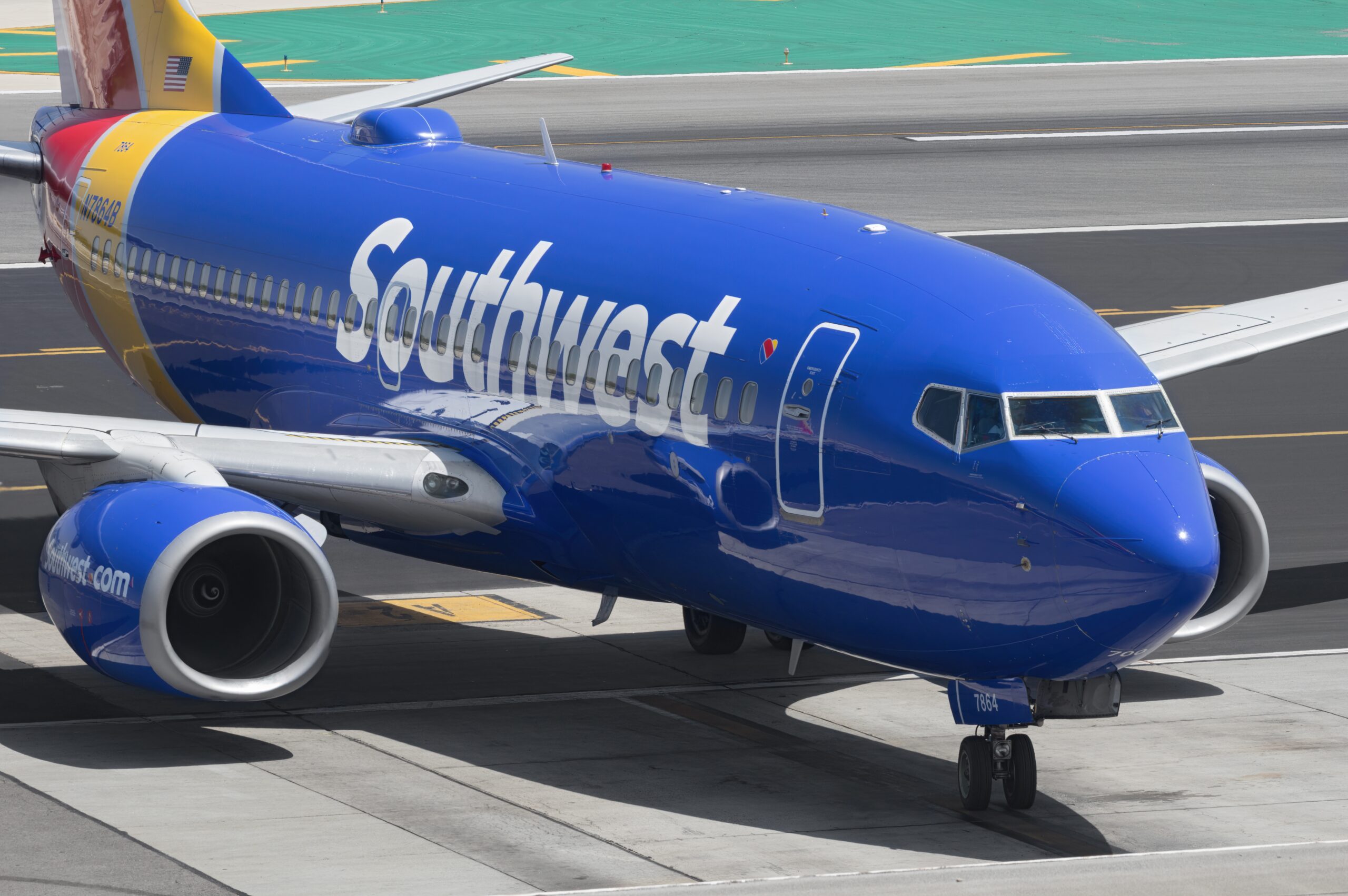
The milestone moment arrived on a Monday when Southwest flight WN-3660 lifted off from Dallas, heading to Albuquerque, New Mexico. The aircraft that made history is an 8-year-old Boeing 737-800, registered as N8543Z — a workhorse of the Southwest fleet that has now been retrofitted to carry one of the most advanced satellite internet systems available anywhere in the world today.
This flight came more than five months after Southwest Airlines first announced its partnership with SpaceX, the aerospace company founded by Elon Musk, to bring Starlink's ultra-fast connectivity to its expansive fleet of over 800 Boeing 737 aircraft. The wait may have felt long, but aviation experts note that the complexity of retrofitting commercial aircraft with satellite hardware means that timelines of several months between announcement and first flight are entirely standard — and in some cases, even quick.
What Is Starlink and Why Does It Matter for Air Travel?
Starlink is a satellite internet service developed and operated by SpaceX. Unlike older satellite internet systems that rely on a small number of large satellites positioned far from Earth in geostationary orbit, Starlink uses what is known as a low-earth orbit (LEO) satellite constellation. This means hundreds — and eventually thousands — of smaller satellites orbit much closer to the planet, dramatically reducing the time it takes for data signals to travel between the ground, the satellite, and the receiving device on board an aircraft.
The practical result for passengers is a connection that is not only significantly faster than legacy in-flight internet services but also far more consistent and reliable. Activities that were once near-impossible at 35,000 feet — video calls, streaming high-definition content, uploading large files, or gaming — become genuinely usable experiences with Starlink. The low-latency nature of the connection is particularly important for real-time applications, where even fractions of a second of delay can make a service feel broken or unresponsive.
For business travelers especially, the ability to remain fully productive during a flight — joining video conferences, accessing cloud-based applications, or collaborating with colleagues in real time — represents a transformative upgrade to what has historically been a largely disconnected few hours.
Southwest's Ambitious Rollout Plan for 2026
While the first Starlink-equipped Southwest aircraft is undeniably a milestone worth celebrating, the airline has made clear that it has no intention of stopping there. Speaking about the launch, Tony Roach, Southwest's Chief Customer and Brand Officer, expressed the company's enthusiasm and outlined what passengers can expect in the months ahead.
"Starting with this first aircraft, we will be rapidly integrating Starlink into our fleet this year," Roach stated. "This ultra-fast WiFi brings an at-home experience to the air and redefines how customers can stay connected, be productive, and make the most of their time while flying at 35,000 feet."
That vision is backed by concrete targets. By the end of 2026, Southwest aims to have Starlink installed on approximately 300 of its aircraft. Given that the airline operates more than 800 Boeing 737s in total, getting to 300 Starlink-equipped planes within a single calendar year would represent a remarkably aggressive rollout — and one that would put Starlink connectivity within reach of a substantial portion of Southwest's daily passenger traffic relatively quickly.
Free Wi-Fi: A Competitive Game-Changer
One of the most compelling aspects of Southwest's Starlink offering is that the service is expected to be provided free of charge to passengers. This stands in contrast to the approach taken by many full-service carriers, which often charge premium prices for internet access that frequently underdelivers on speed and reliability. Southwest has historically differentiated itself in the market through passenger-friendly policies — its famous no bag fees and flexible rebooking options being prime examples — and the promise of fast, free Wi-Fi fits squarely within that brand identity.
For travelers choosing between airlines, the availability of reliable free internet is increasingly becoming a meaningful factor. As remote work becomes a permanent fixture of professional life for millions of people, the ability to remain productive during transit is no longer a luxury but a genuine necessity for many passengers.
What This Means for the Broader Airline Industry
Southwest is not the only airline to have embraced Starlink, but its scale makes the partnership particularly significant. With over 800 aircraft in its fleet, a completed Starlink rollout across Southwest would represent one of the largest deployments of satellite in-flight internet in commercial aviation history.
The ripple effects across the industry are already being felt. Competing airlines are under pressure to match or exceed what Starlink-equipped carriers can offer, accelerating investment in next-generation connectivity solutions across the board. Passengers, increasingly aware of what is technologically possible, are raising their expectations accordingly.
Looking Ahead: A Connected Future at 35,000 Feet
The departure of Southwest flight WN-3660 from Dallas may have looked like any other routine Monday morning service, but it marked the beginning of something genuinely new in commercial aviation. As Southwest rapidly accelerates the installation of Starlink across its fleet, millions of passengers stand to benefit from a level of in-flight connectivity that was unimaginable just a few years ago.
Whether you board a Southwest flight to close a business deal, stream your favorite series, or simply stay in touch with loved ones, the days of dreading the moment your device loses signal may soon be firmly behind you. Fast, free, and reliable Wi-Fi at 35,000 feet is no longer a promise — it has officially taken flight.