
American Airlines Is Accelerating Its A319 and A320 Retrofit Program
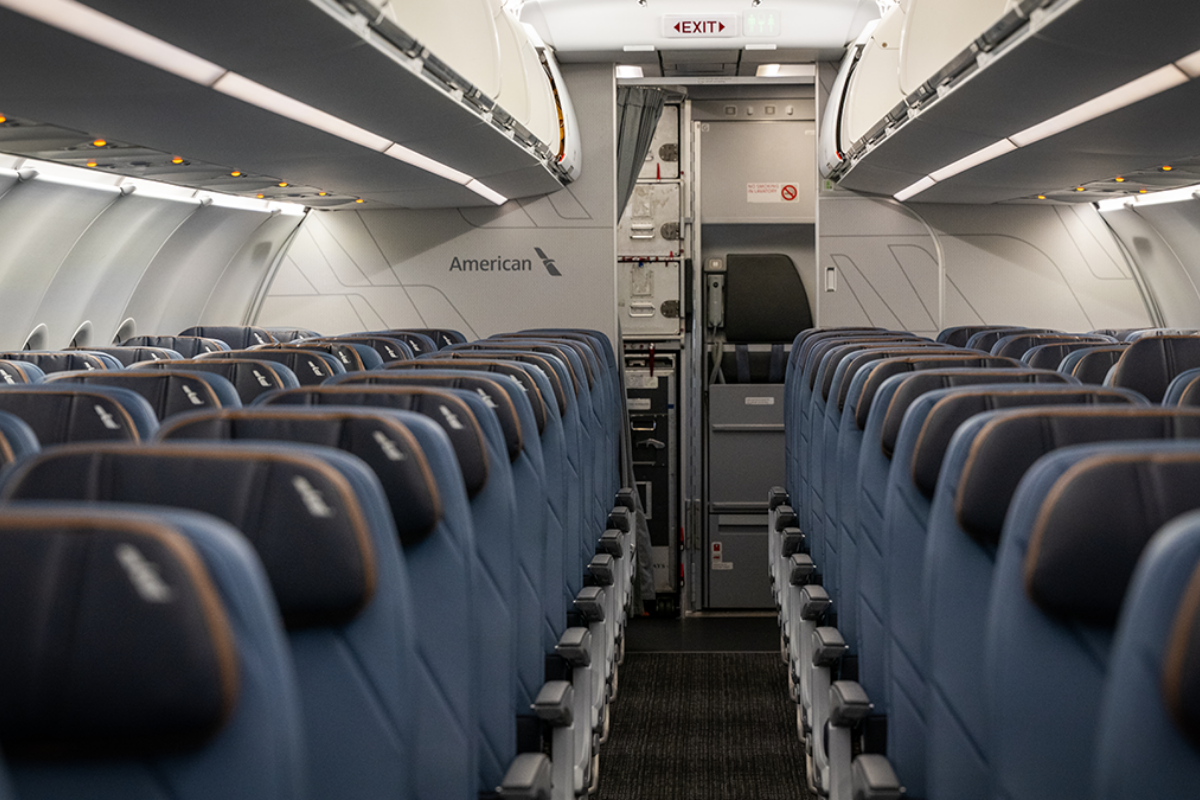
American Airlines is wasting no time in pushing forward with a major cabin overhaul of its legacy Airbus A319 and A320 narrowbody fleet. The carrier is stepping up its retrofit program at pace, and while the refreshed interiors bring a number of genuine improvements for travelers, some notable compromises have come along for the ride. More seats, modernized cabins, and redesigned galleys are all part of the picture — but passengers who love their seatback screens may want to look away now.
The retrofit effort marks one of the most significant fleet refresh initiatives in American's recent history, targeting aircraft that have been workhorses of its domestic network for years. With competition intensifying across short and medium-haul routes, the airline is clearly determined to bring its older jets in line with the experience offered aboard its newer aircraft.
The First Retrofitted A319 Returns to Service
The very first Airbus A319 to receive the full retrofit treatment was a 12-year-old aircraft bearing the registration N9002U. After undergoing an extensive cabin overhaul at a maintenance facility in San Salvador, the jet re-entered commercial passenger service in February 2026, effectively serving as the prototype for what American Airlines intends to roll out across its wider A319 and A320 fleet.
The choice to use an older, well-flown airframe as the program's pioneer is significant. It demonstrates the airline's confidence that the retrofit can meaningfully transform an aging interior into something that feels contemporary and competitive, rather than simply applying cosmetic changes to a dated cabin shell. The results from this first aircraft are now informing how the broader rollout is being managed.
What's New Inside the Retrofitted Cabins
The revamped interiors introduce a range of changes that touch virtually every corner of the passenger experience. Here is a breakdown of what travelers can expect when boarding a retrofitted American Airlines A319 or A320:
- New domestic First Class seats: The retrofitted aircraft feature updated seating in the premium cabin, offering a more modern look and feel that brings the experience closer to what passengers enjoy on American's newer narrowbody jets.
- Increased seat count: One of the most commercially significant changes is the addition of more seats across the cabin. American has reconfigured the layouts to squeeze in extra capacity, a move that boosts revenue potential on high-demand domestic routes but reduces the amount of personal space available to some travelers.
- Miniature galleys: The retrofit includes the installation of smaller, more compact galley units. These miniature galleys free up additional space within the cabin to accommodate the increased seat count, though they do represent a reduction in the workspace and storage available to cabin crew during service.
- No seatback entertainment screens: Perhaps the most talked-about trade-off in the retrofit program is the removal of seatback in-flight entertainment screens. Passengers will instead be expected to use their own personal devices to access entertainment, connecting to the aircraft's Wi-Fi system to stream content.
The Seatback Screen Debate: A Controversial Trade-Off
The decision to eliminate seatback screens is unlikely to go unnoticed by frequent flyers. For many passengers, especially on longer domestic segments, seatback entertainment has long been considered a basic expectation rather than a luxury. American Airlines is not alone in moving away from this technology — several carriers worldwide have adopted a bring-your-own-device model as streaming connectivity improves — but the move will inevitably draw criticism from travelers who prefer a reliable, integrated screen in front of them.
From the airline's perspective, dropping seatback screens makes both financial and logistical sense. The hardware is expensive to install, maintain, and repair. Removing it also reduces the weight of each aircraft, which translates into fuel savings over thousands of flight hours. The weight reduction argument becomes even more compelling when combined with the revenue benefits of adding extra seats to each aircraft.
Whether passengers accept this shift will depend largely on the quality and reliability of the in-flight Wi-Fi experience American can offer across these retrofitted jets. If streaming is seamless and fast, most travelers will adapt quickly. If connectivity is patchy, the absence of seatback screens will become a recurring source of frustration.
Why This Retrofit Program Matters for American's Fleet Strategy
American Airlines operates a substantial number of Airbus A319 and A320 aircraft, and bringing consistency across its narrowbody fleet has been an ongoing strategic priority. By retrofitting legacy jets to align more closely with the interiors found on newer deliveries, the airline creates a more predictable and uniform passenger experience regardless of which specific aircraft a traveler boards on a given day.
The San Salvador maintenance facility completing this work plays a central role in the program's timeline. The speed at which aircraft can be cycled through the overhaul process will determine how quickly the new interiors spread across the fleet. With the prototype aircraft already back in service and the program ramping up, American appears committed to executing this transition efficiently.
What Passengers Should Expect Going Forward
For travelers who regularly fly American Airlines on domestic routes, the changes brought by this retrofit program will become increasingly familiar over the coming months. The new cabin aesthetic and updated First Class seats represent genuine improvements in terms of visual appeal and comfort design. The trade-offs — principally the removal of seatback screens and the tighter seating configurations — are the price of that modernization.
Savvy passengers would do well to download American's app and ensure their personal devices are charged and loaded with content before boarding any retrofitted A319 or A320. Checking seat maps in advance will also help travelers identify exactly what configuration they are flying, allowing them to set accurate expectations before they step onto the jet bridge.
American Airlines' accelerated A319 and A320 retrofit program is a clear signal that the carrier is serious about fleet consistency and cabin modernization. Whether every passenger agrees with every decision made along the way is another matter — but the transformation is well underway, and it is gathering speed.