
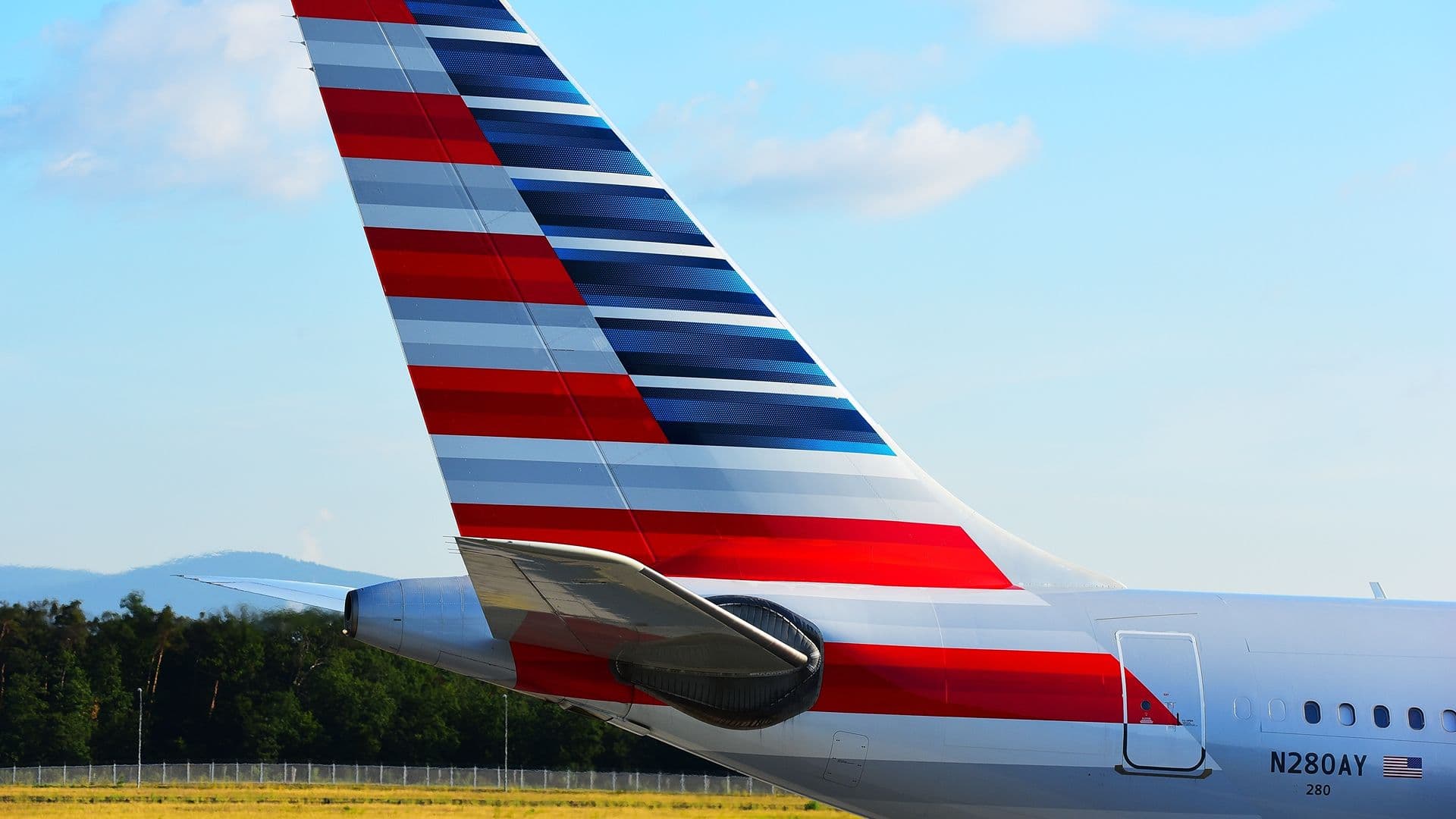
Israir Takes Delivery of Former American Airlines A330-200 Ahead of New York Launch
Israeli carrier Israir has reached a significant milestone in its ambitious long-haul expansion plans, taking delivery of the first of two Airbus A330-200 widebody jets set to join its fleet this month. The aircraft — a former American Airlines plane that had been sitting in storage for over six years following its retirement during the COVID-19 pandemic — completed its ferry flight into Israel after a stopover in Cyprus. This acquisition marks a pivotal moment not just for Israir, but for the Israeli aviation market as a whole, signaling that competition on transatlantic routes is heating up in a big way.
A Widebody With a Long History
The Airbus A330-200 that has now entered Israir's fleet is no stranger to long-haul flying. During its years with American Airlines, the type was a reliable workhorse on transatlantic and transcontinental routes, valued for its twin-engine efficiency and comfortable cabin capacity. When the COVID-19 pandemic brought global aviation to a near standstill in 2020, American Airlines, like virtually every major carrier worldwide, was forced to retire portions of its fleet earlier than originally planned. Many widebody aircraft found their way into desert storage facilities across the United States, with uncertain futures ahead of them.
This particular A330-200 spent more than six years out of commercial service — a significant stretch of time that required thorough maintenance checks, inspections, and systems overhauls before it could be returned to airworthy condition. The fact that Israir has managed to bring this aircraft back to life and ferry it across the Atlantic to Israel speaks to both the enduring reliability of the A330-200 platform and the determination of the airline to make its New York ambitions a reality.
Why the A330-200 Is the Right Aircraft for Israir
The Airbus A330-200 is widely regarded as one of the most versatile and cost-effective widebody aircraft ever produced. Its twin-engine design keeps operating costs lower than older four-engine alternatives, while its range of approximately 13,400 kilometers makes it more than capable of comfortably covering the roughly 9,200-kilometer route between Tel Aviv's Ben Gurion International Airport and New York. For an airline like Israir, which has traditionally focused on leisure travel to European and Red Sea destinations, the A330-200 represents a major step up in capability and ambition.
Compared to purchasing brand-new widebody jets — an investment that can easily run into the hundreds of millions of dollars per aircraft — acquiring well-maintained ex-airline A330s from storage offers a financially prudent path to expanding long-haul capacity. With two of these jets set to join the fleet this month alone, Israir is clearly moving quickly to establish itself as a serious player on the New York route.
Israir's New York Route: What We Know So Far
Israir's planned service between Israel and New York is one of the most anticipated new routes in the region. New York has long been one of the most lucrative destinations for Israeli carriers, driven by strong demand from both the large Israeli-American community and tourists traveling between the two countries. El Al, Israel's flag carrier, has historically dominated this corridor, but the entry of Israir into the market promises greater competition, which typically benefits travelers through lower fares and improved service options.
The timing of the aircraft delivery suggests that Israir is on track to launch its New York service in the near term. With two A330-200s coming into the fleet within the same month, the airline will have the redundancy it needs to maintain a reliable schedule on a demanding transatlantic route — where operational reliability is absolutely critical to building customer trust and loyalty.
The Broader Trend: Stored Aircraft Finding New Life
Israir's acquisition of these ex-American Airlines jets is part of a broader trend that has reshaped the used widebody aircraft market in recent years. The COVID-19 pandemic triggered the largest wave of fleet retirements in aviation history, sending hundreds of widebody jets into storage almost overnight. As global travel demand recovered strongly through 2022, 2023, and beyond, many of these stored aircraft suddenly became attractive assets for airlines looking to expand capacity without waiting years for new aircraft deliveries.
The current backlog at both Airbus and Boeing — driven by record order books, supply chain disruptions, and manufacturing challenges — means that new widebody deliveries are delayed for many airlines by several years. In this environment, a well-maintained used A330-200 offers something genuinely valuable: immediate capacity at a fraction of the cost of a new aircraft. Airlines from Europe, the Middle East, Asia, and now Israel have all been tapping into this pool of stored widebodies to fuel their growth plans.
What This Means for Israeli Aviation Travelers
For passengers traveling between Israel and the United States, Israir's entry into the New York market with widebody equipment is unequivocally good news. More competition on one of the world's most important aviation corridors historically leads to more choices, more competitive pricing, and innovations in product and service as airlines vie for passengers' loyalty.
- Travelers can expect more seat options across different fare classes as Israir configures its A330-200 cabins for the transatlantic market.
- Increased frequency and capacity on the Israel–New York corridor could help ease the chronic congestion that often pushes ticket prices higher during peak travel periods.
- Israir's traditionally leisure-focused approach may translate into attractively priced packages combining flights with hotel accommodations, opening up New York travel to a broader Israeli audience.
- Competition with El Al and any other carriers operating on the route will likely drive improvements in onboard product quality and customer service standards across the board.
Looking Ahead
With the first A330-200 now safely delivered to Israel and a second jet due to follow shortly, Israir's New York ambitions are rapidly moving from aspiration to reality. The successful reactivation of an aircraft that spent over six years in storage is a testament to the professionalism of the airline's technical teams and its maintenance partners. As Israir prepares to enter one of aviation's most competitive and prestigious transatlantic markets, all eyes in the Israeli aviation industry — and among frequent flyers on both sides of the Atlantic — will be watching closely to see how the airline's New York launch unfolds.
If Israir can deliver a reliable, competitively priced, and comfortable service between Israel and New York, it stands to carve out a meaningful and lasting share of one of the most important routes in global aviation. The arrival of a once-dormant American Airlines widebody on Israeli soil marks the beginning of what could be a genuinely transformative chapter for the carrier.