
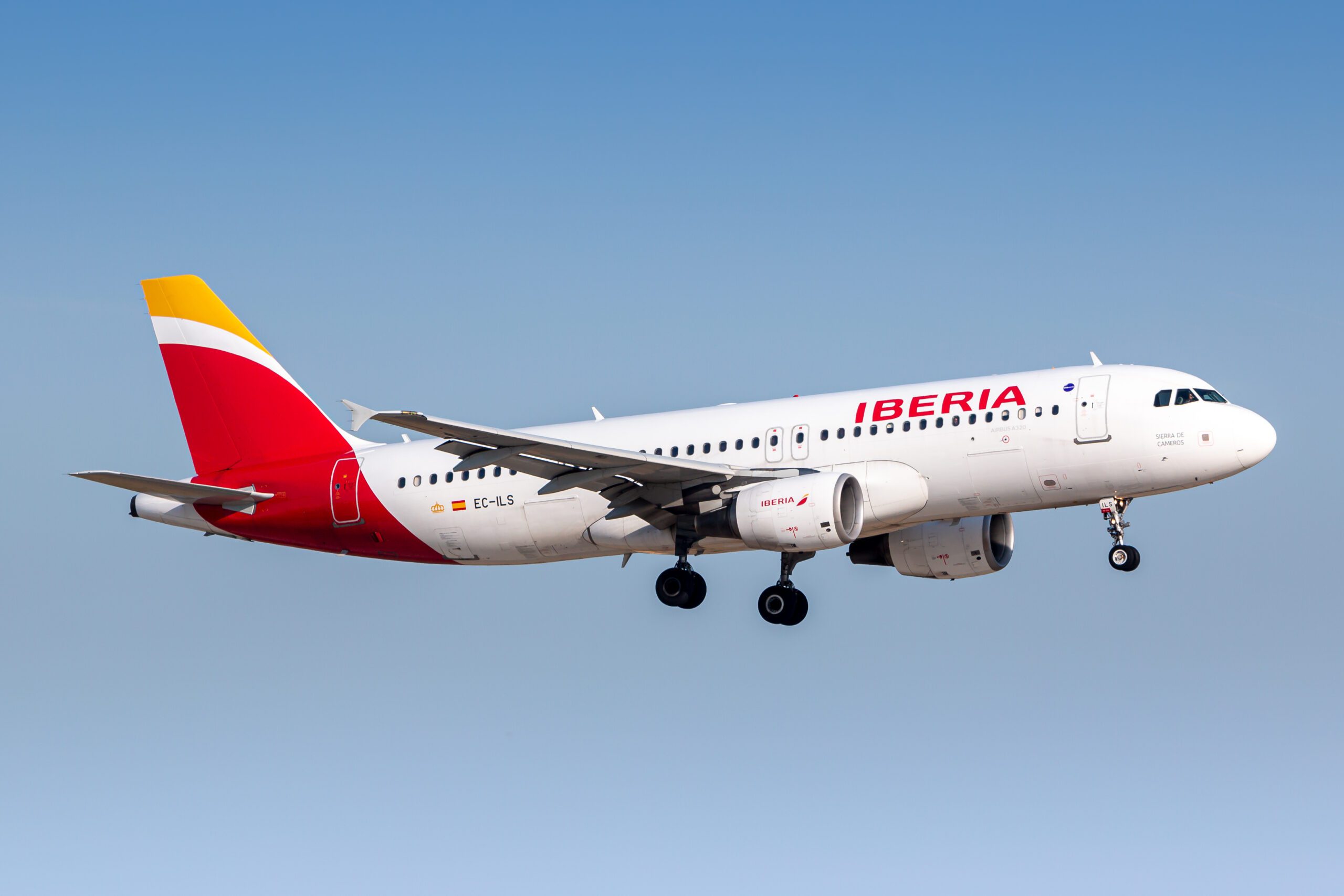
Iberia Becomes One of the First Airlines to Update Baggage Terminology Under New EU Rules
Spain's flag carrier, Iberia, has wasted no time responding to a landmark shift in European air travel regulations. The Madrid-based airline has already updated the language it uses on its website to describe what passengers can bring on board, bringing its terminology in line with sweeping new European Union rules that will, for the first time, legally guarantee travelers the right to bring at least one personal item onto a plane completely free of charge.
The move signals how seriously airlines across Europe are taking the incoming legislation — and for passengers who have long felt frustrated by confusing or inconsistent baggage policies, the changes could mark a meaningful turning point in how they experience air travel.
What Has Iberia Actually Changed?
On Tuesday, Iberia updated its official website to reflect a clearer, more structured distinction between two categories of carry-on luggage. The airline now refers to items placed in the overhead bin as hand baggage, and items small enough to fit under the seat in front as personal luggage.
This might sound like a minor administrative update, but the terminology shift carries real significance. By separating these two categories and giving each a distinct name, Iberia is aligning itself with the definitions being standardized across the European Union — definitions that come with legally binding passenger protections attached.
Previously, many airlines used vague or interchangeable terms for carry-on items, which often left passengers confused about what they were actually entitled to bring on board, and sometimes led to unexpected charges at the gate. The new standardized language is designed to eliminate that ambiguity entirely.
Why Are These Changes Happening? The New EU Air Passenger Rights Rules Explained
The trigger for Iberia's update is a major piece of European legislation. Just days before the airline made its changes, the Conciliation Committee of the Council of Europe and the European Parliament formally approved a revised set of air passenger rights rules. These revised rules represent the most significant update to European aviation passenger protections in years.
At the heart of the new legislation is a simple but powerful guarantee: every passenger flying within or from the EU must be allowed to bring at least one personal item on board their flight at no extra cost.
Under the revised rules, this personal item is defined as a bag measuring no more than 40x30x15 centimeters. The item must be small enough to fit underneath the seat in front of the passenger. There is one exception: passengers seated in bulkhead seats or emergency exit rows may not have the under-seat storage space available, so different arrangements may apply in those cases.
Crucially, this right cannot be taken away by airlines or overridden by their individual fare structures — meaning budget carriers that have historically charged passengers for even the smallest carry-on bag will need to adapt their policies significantly.
How Is "Hand Baggage" Defined Under the New Rules?
The new EU framework also gives a clear legal definition to hand baggage — the larger trolley-style bags that most travelers are familiar with. Under the legislation, hand baggage refers specifically to bags that are too large to fit under the seat in front, meaning they must be stored in the overhead bin during the flight.
Airlines will be required to permit passengers to bring hand baggage on board, though this remains subject to available overhead bin space. Importantly, airlines will still retain the right to charge passengers for hand baggage — the free guarantee applies only to the smaller personal item. This means that while the baseline protection is strengthened, airlines are not entirely stripped of their ability to generate ancillary revenue from baggage fees.
For passengers traveling light with just a small bag or backpack, however, the new rules are genuinely good news. The era of being charged simply for carrying a handbag or small daypack onto a plane is effectively over under this framework.
What Does This Mean for European Air Travelers?
The practical implications for travelers are significant, particularly for those who frequently book with low-cost carriers. Airlines such as Ryanair and Wizz Air have faced heavy criticism over the years for charging passengers to bring even modestly sized bags into the cabin. The new EU rules directly target this practice.
- Every passenger must be allowed to bring one personal item (up to 40x30x15cm) onto their flight for free, regardless of the fare type they purchase.
- Larger hand baggage — overhead bin-sized bags — may still incur an additional fee, but airlines must be transparent about this distinction.
- The standardized terminology (personal item vs. hand baggage) will make it easier for passengers to understand exactly what they are entitled to before they reach the airport.
- Airlines operating in the EU will need to update their policies, websites, and booking flows to reflect the new definitions and obligations.
For frequent travelers, this represents a meaningful reduction in the risk of surprise charges and gate-side confrontations over bag sizes — a frustration that has become one of the most common complaints in European aviation.
Iberia's Move Reflects a Broader Industry Shift
By acting quickly to update its terminology, Iberia is positioning itself as a compliant and passenger-friendly carrier ahead of what will likely be a wave of similar updates from airlines across the continent. The airline's prompt response suggests it had been anticipating the legislation and had preparations in place before the formal approval was even announced.
Other European carriers — full-service and low-cost alike — will now be watching closely and preparing their own policy and communications updates. Airlines that fail to adapt risk falling foul of the new regulations and facing regulatory scrutiny from national enforcement bodies.
When Will the New EU Baggage Rules Come Into Force?
While the Conciliation Committee has approved the revised rules, the legislation will go through the remaining procedural steps before it is formally enacted and begins to apply across EU member states. Travelers should monitor announcements from their airlines and the European Commission for confirmed implementation dates. In the meantime, Iberia's early adoption of the new terminology is a strong indicator that change is coming — and coming soon.
For now, passengers flying with Iberia can already see the clearer language reflected on the airline's website, giving them a clearer picture of what to expect when they pack for their next trip. As the rest of the industry follows suit, European air travel is set to become a little more transparent, a little more fair, and a little less stressful for the millions of passengers who take to the skies each year.