
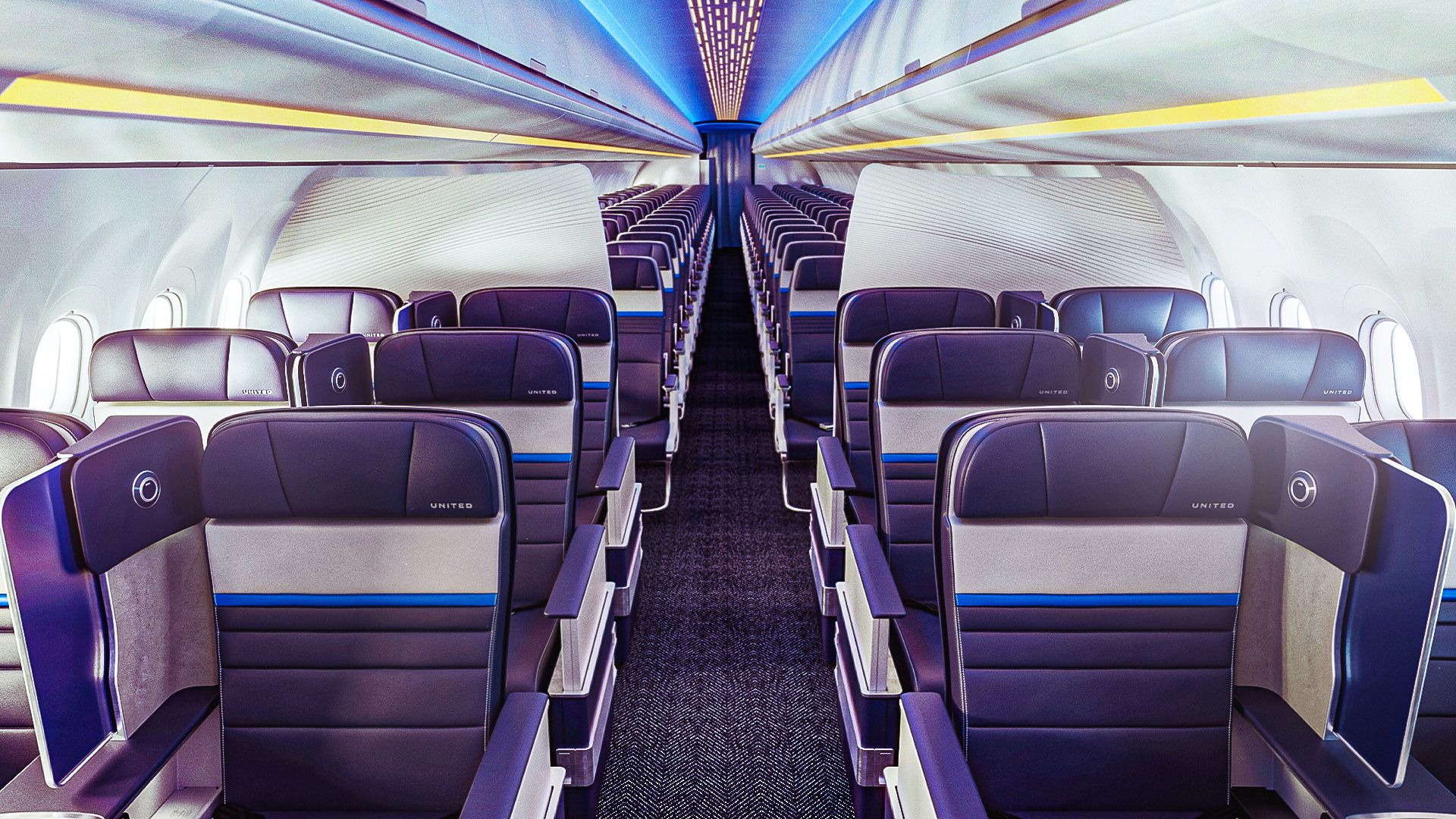
United Airlines Welcomes the Airbus A321XLR: A New Era for Narrowbody Premium Travel
United Airlines has officially taken delivery of its first Airbus A321XLR, marking a significant milestone in the carrier's ongoing fleet modernization strategy. This next-generation narrowbody aircraft isn't just a straightforward replacement for the aging Boeing 757 — it represents a fundamental rethinking of what premium travel on a single-aisle jet can look like. With 32 premium seats compared to the roughly 16 the Boeing 757 offered in United's configuration, the A321XLR effectively doubles the carrier's premium cabin capacity on routes where this aircraft will fly.
Inside the United Airlines A321XLR Cabin Configuration
United has configured its new Airbus A321XLR with a total of 150 seats, a carefully considered layout designed to maximize both comfort and revenue potential. Of those 150 seats, 32 are classified as premium — a figure that stands in sharp contrast to what the Boeing 757 provided on comparable routes.
Polaris Lie-Flat Business Class Suites
Twenty of the 32 premium seats aboard the A321XLR are configured as Polaris lie-flat suites. Polaris is United's flagship international business class product, previously reserved for wide-body long-haul aircraft like the Boeing 787 Dreamliner and the Boeing 777. Bringing Polaris to a narrowbody platform is a bold move, one that signals United's intention to offer a premium-grade experience even on thinner international routes that don't justify a wide-body deployment. Passengers traveling in Polaris can expect lie-flat beds, direct aisle access, enhanced privacy, and the elevated service standards that have made the product competitive with other top-tier business class offerings globally.
Premium Plus Seats
The remaining 12 premium seats on the A321XLR are configured as Premium Plus, United's premium economy product. Premium Plus has become increasingly popular with travelers who want a step up from standard economy without committing to the price of a business class ticket. On a narrowbody aircraft like the A321XLR, offering a dedicated Premium Plus cabin alongside lie-flat Polaris suites is a notable achievement, giving passengers a genuine three-tier product experience on routes that were previously served with far fewer premium options.
How the A321XLR Compares to the Boeing 757 It Replaces
The Boeing 757 has been a workhorse of United's fleet for decades. Its unique combination of range and efficiency for a narrowbody aircraft made it the go-to choice for transatlantic routes like New York to London or various domestic transcontinental services. However, the 757's age and United's original cabin configurations meant the aircraft was not delivering the premium product passengers increasingly expect.
In United's Boeing 757 configuration, the aircraft carried approximately 16 premium seats — a mix of first class and economy-plus-style options that, while functional, fell well short of the Polaris lie-flat experience now standard on wide-body jets. The arrival of the A321XLR changes this calculus entirely. By doubling the premium seat count to 32 and introducing true lie-flat suites on a narrowbody platform, United is closing a long-standing product gap on routes served by single-aisle jets.
The Operational Advantages of the Airbus A321XLR
Beyond the cabin upgrade, the Airbus A321XLR brings a suite of operational improvements that benefit both the airline and its passengers.
Extended Range Capabilities
The "XLR" in the aircraft's name stands for Extra Long Range, and this is not marketing language — it reflects a genuine engineering achievement. The A321XLR is capable of flying approximately 8,700 kilometers (around 4,700 nautical miles), making it the longest-range single-aisle commercial aircraft ever produced. This range opens up transatlantic route possibilities that were previously impossible for narrowbody jets without technical stops, allowing United to serve city pairs that are too thin in demand for a wide-body but still need a premium, long-haul capable aircraft.
Improved Fuel Efficiency
The A321XLR is also significantly more fuel-efficient than the Boeing 757 it replaces. Thanks to CFM International LEAP-1A engines, advanced aerodynamics, and a new rear center fuel tank unique to the XLR variant, the aircraft burns considerably less fuel per seat mile than legacy narrowbody platforms. For an airline like United, which operates hundreds of aircraft and faces ongoing pressure to reduce operating costs and carbon emissions, this improvement in fuel efficiency is a meaningful advantage. It allows the carrier to maintain competitive fares on routes served by the A321XLR while also progressing toward its sustainability commitments.
Passenger Experience and Connectivity
United's A321XLRs are also expected to feature the latest in passenger connectivity and in-flight entertainment infrastructure, consistent with the airline's broader push to modernize the customer experience across its entire fleet. High-speed Wi-Fi, USB-C charging ports, and updated seat-back screens are all part of the overall package that makes the new aircraft a meaningful improvement over the aircraft it replaces.
What This Means for Travelers
For frequent flyers and premium travelers, the arrival of the United Airlines A321XLR is genuinely exciting news. Routes previously operated by the aging Boeing 757 — with limited premium options and no lie-flat product — will now feature a true Polaris business class experience. This matters especially on transatlantic routes, where passenger expectations for comfort on overnight flights are high and competition from European and Middle Eastern carriers is intense.
Travelers who previously avoided certain United routes due to inferior premium cabin offerings now have strong reason to reconsider. The combination of Polaris lie-flat suites, a dedicated Premium Plus cabin, extended range, and modern fuel efficiency makes the A321XLR one of the most compelling narrowbody products in the sky today.
Conclusion: A Strategic Leap Forward for United Airlines
United Airlines' decision to configure the Airbus A321XLR with 32 premium seats — doubling the Boeing 757's offering — reflects a clear strategic vision: bring wide-body quality to narrowbody routes and capture premium revenue on flights that were previously underserving their highest-yield passengers. With Polaris lie-flat suites, Premium Plus seating, superior range, and better fuel economics, the A321XLR doesn't just replace the Boeing 757. It fundamentally raises the bar for what travelers can expect when they board a single-aisle jet, and it positions United Airlines as a serious competitor for premium transatlantic traffic on thinner routes where the game is just beginning to change.