
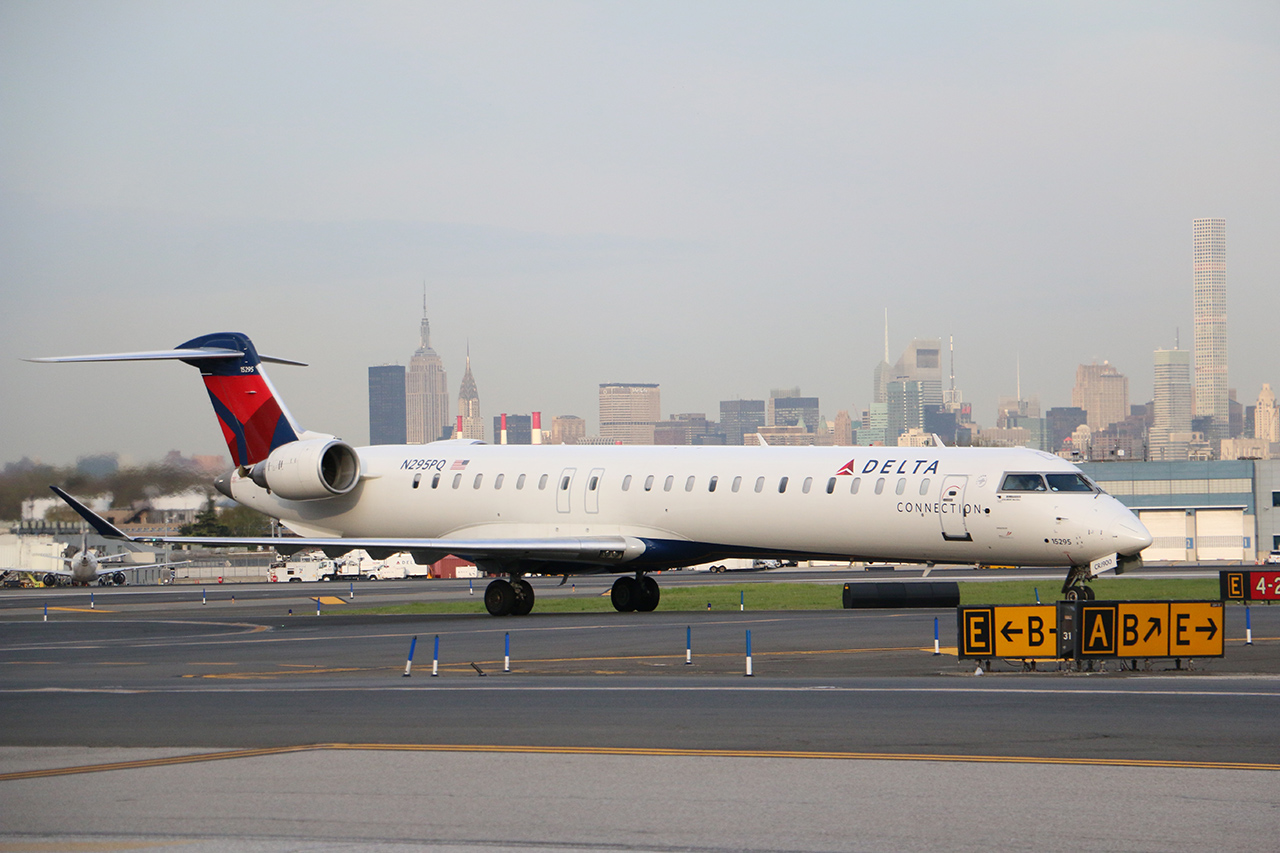
A Tale of Two Grief Policies at Endeavor Air
Losing a loved one is one of the most painful experiences a person can go through. It doesn't matter whether you fly the plane or work the aisle — grief hits everyone equally hard. So why, at Endeavor Air, a wholly owned subsidiary of Delta Air Lines, are flight attendants only given three days of paid bereavement leave when pilots receive five? That question is at the heart of a growing controversy that is shining a harsh spotlight on the treatment of regional airline cabin crew across the United States.
The Association of Flight Attendants (AFA-CWA), the union representing crew members at the Minneapolis–Saint Paul-based carrier, is calling out Endeavor Air loudly and publicly. And frankly, it's hard to argue with their frustration.
What the Numbers Actually Look Like
Let's break down what's happening on the ground at Endeavor Air, because the details matter. When a flight attendant loses a close relative — a parent, a spouse, a child — they are entitled to three days of paid bereavement leave to mourn, make arrangements, and begin to process their loss. When a pilot at the same airline, operating the same flights, loses the same type of close relative, they receive five days of paid leave to do exactly the same thing.
Two extra days may not sound like a dramatic difference on paper, but consider what those two days actually represent in the context of grief. They represent additional time to travel to a funeral that may be across the country. They represent time to sit with family, to handle estate matters, to simply breathe. For flight attendants — who often live far from their base cities and work irregular schedules — those two missing days can be the difference between attending a loved one's service and rushing back to work before they've had a moment to process what happened.
The AFA-CWA put it bluntly in a recent memo that has been circulating within the aviation community: "Same company. Same operation. Same family tragedy. Different value assigned to the employee experiencing it." The union went further, asking directly: "What exactly is the difference between a pilot grieving the loss of a parent and a Flight Attendant grieving the loss of a parent? Does one hurt more? Does one recover faster? Or has the company simply decided that one employee group's time is more valuable than another's?"
Those are uncomfortable questions, and they deserve honest answers.
Why Do These Disparities Exist in the First Place?
To understand why policies like this exist, you need to understand how airline labor relations work. Different employee groups — pilots, flight attendants, ground crew, mechanics — are typically represented by different unions and bargain for their contracts independently. This means that even within the same company, employee groups can end up with wildly different policies on everything from scheduling rules to bereavement leave to per diem pay.
Pilots, historically, have held significant negotiating leverage in the airline industry. There is a well-documented pilot shortage that has given pilot unions extraordinary power at the bargaining table over the past several years. Flight attendant unions, while active and effective in many respects, have often faced tougher negotiations — particularly at regional carriers where margins are thinner and management tends to push back harder on labor costs.
That structural reality doesn't make the disparity fair or acceptable. It simply explains the mechanism by which it came to exist.
The Per Diem Problem: It Goes Beyond Bereavement
Bereavement leave is just one piece of a larger puzzle of workplace inequality that the AFA-CWA is highlighting at Endeavor Air. Per diem pay — the hourly stipend flight attendants receive during layovers to cover meal costs — is another glaring example of the gap between what regional cabin crew earn and what their counterparts receive elsewhere.
At Endeavor Air, flight attendants earn just $2.25 per hour in per diem pay during layovers. To put that in perspective, a typical eight-hour overnight layover would net a flight attendant just $18 to cover meals and incidentals in cities where even a fast-food combo meal can cost $12 or more. Meanwhile, flight attendants at mainline Delta Air Lines and at other major carriers receive significantly higher per diem rates that more accurately reflect the real cost of eating while away from home.
For flight attendants who spend a significant portion of their working lives in layover hotels, low per diem rates aren't a minor inconvenience — they are a meaningful reduction in real-world compensation that can push workers closer to financial hardship.
Regional Flight Attendants: The Overlooked Backbone of American Aviation
Regional carriers like Endeavor Air operate the shorter, thinner routes that feed passengers into the major hubs operated by their mainline partners. Without regional airlines, the entire hub-and-spoke system that American aviation depends on would collapse. Yet the flight attendants who staff those regional jets are routinely paid less, offered fewer benefits, and afforded fewer workplace protections than their counterparts at the mainline airlines they feed.
This disparity has been a long-standing grievance in the industry, but it is gaining renewed attention as unions grow more vocal and as travelers become more aware of the labor conditions behind their flights. The Endeavor Air situation is not unique — it is a window into a systemic problem that affects tens of thousands of regional flight attendants across the country.
What Happens Next?
The AFA-CWA's public campaign against Endeavor Air's policies signals that this fight is far from over. Unions have increasingly turned to public pressure as a tool alongside formal contract negotiations, and the court of public opinion can be a powerful force — particularly when the issue is as emotionally resonant as bereavement leave.
Passengers who fly on regional jets operated under the Delta Connection banner should be aware that the flight attendants serving them may be working under conditions that are a far cry from what most people would consider equitable. That awareness, translated into consumer pressure and public advocacy, can complement the work that unions are doing at the bargaining table.
At its core, the question the AFA-CWA is raising at Endeavor Air is simple: does grief have a job title? The answer, of course, is no. And until Endeavor Air's policies reflect that basic human truth, the union — and the flight attendants it represents — will keep asking the question until someone provides a satisfactory answer.
The Bottom Line
The bereavement leave gap between flight attendants and pilots at Endeavor Air is more than a labor dispute statistic. It is a symbol of a broader imbalance in how regional airline workers are valued relative to their colleagues and the vital role they play in keeping American aviation running. Three days versus five days. Same company. Same tragedy. Different answer. That's a disparity worth talking about — loudly, and for as long as it takes to fix it.