
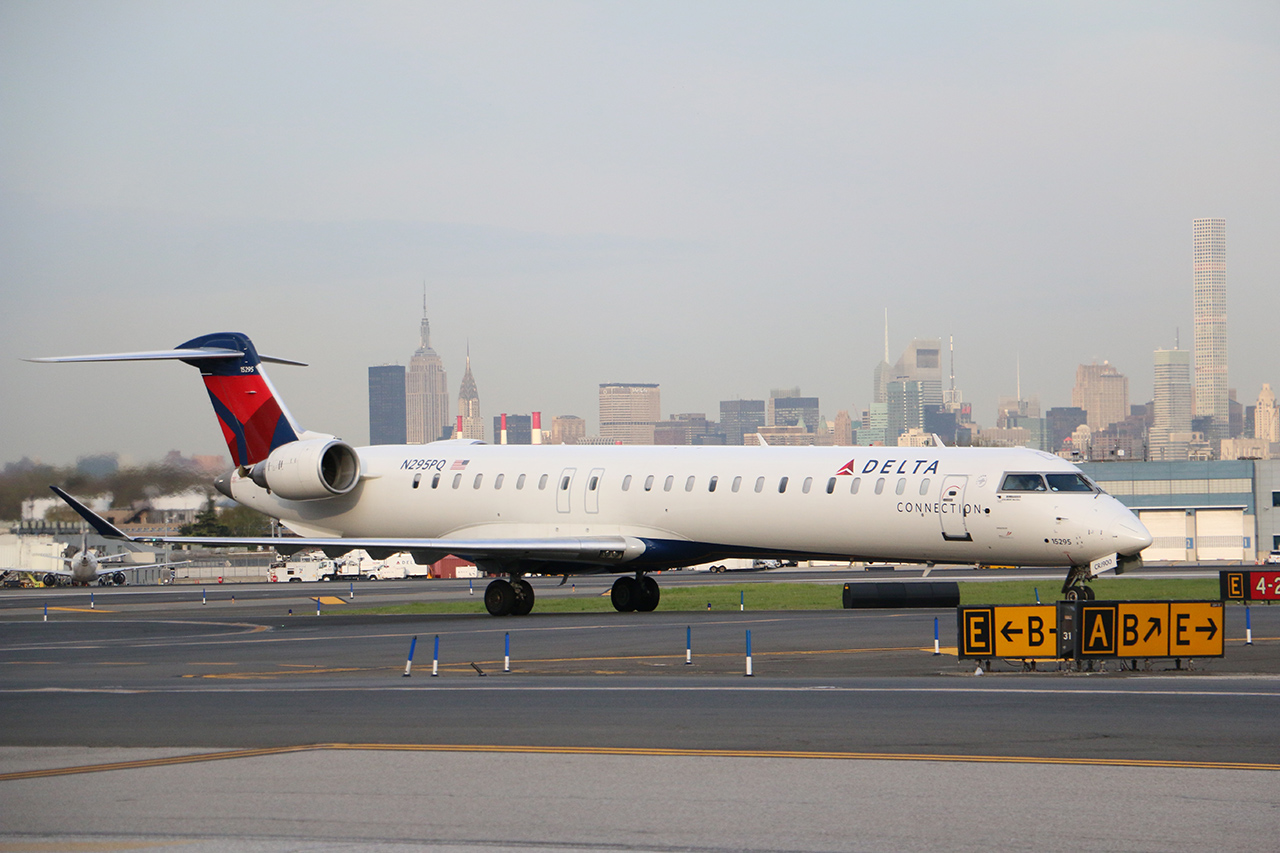
Endeavor Air Under Fire: Flight Attendants Granted Fewer Bereavement Days Than Pilots
Losing a loved one is one of the most devastating experiences a person can go through. It doesn't discriminate by job title, salary bracket, or seniority level. Grief hits everyone the same way. So why, at Endeavor Air — a wholly owned subsidiary of Delta Air Lines — are flight attendants only given three days of paid bereavement leave following the death of a close relative, while pilots at the very same airline receive five? That is exactly the question the Association of Flight Attendants (AFA-CWA) is demanding Endeavor Air answer, and the silence from the airline's leadership is speaking volumes.
The Bereavement Leave Gap That Has the Industry Talking
The AFA-CWA, which represents flight attendants at the Minneapolis–Saint Paul-based regional carrier, recently issued a pointed memo calling out what it describes as a blatant disparity in how different employee groups are treated following a family tragedy. The union's words were blunt and impossible to ignore.
"Same company. Same operation. Same family tragedy. Different value assigned to the employee experiencing it," the union wrote. "What exactly is the difference between a pilot grieving the loss of a parent and a Flight Attendant grieving the loss of a parent? Does one hurt more? Does one recover faster? Or has the company simply decided that one employee group's time is more valuable than another's?"
It's a fair set of questions, and there are no good answers — at least not ones that reflect well on the airline. Two extra days of bereavement leave may not sound like much on paper, but for someone trying to arrange a funeral, travel to a family member's home, settle affairs, and simply breathe through their grief, those 48 hours can mean everything.
Why Do These Disparities Exist in the First Place?
To understand how policies like this come to exist, it helps to understand how airline labor relations work. Flight attendants and pilots are typically represented by different unions, each of which negotiates its own collective bargaining agreement with the airline. This means that even at a single carrier, you can end up with wildly different policies depending on which contract governs your employment.
Pilots at Endeavor Air, for example, are represented by a different union — one that has historically had more negotiating leverage, in part because of a long-standing and severe pilot shortage across the aviation industry. That shortage has pushed airlines to offer pilots increasingly competitive packages to attract and retain qualified talent. Flight attendants, while equally essential to safe and compliant aircraft operations, have often been left behind in these negotiations.
The result is a two-tiered system where employees doing different but equally vital jobs within the same company are treated with different levels of institutional respect — and that's a problem that extends well beyond bereavement leave.
Per Diems: Another Area Where Flight Attendants Fall Short
Bereavement leave isn't the only front on which Endeavor Air flight attendants find themselves at a disadvantage. The AFA-CWA has also raised serious concerns about per diem rates — the amount of money crew members receive during layovers to cover meal and incidental costs.
At Endeavor Air, flight attendants earn just $2.25 per hour in per diems during layovers. That figure is strikingly low, especially when you consider the cost of meals in airport-adjacent hotels and city centers. Flight attendants on layover don't have the option to cook at home or pack a lunch. They are away from their families, often in unfamiliar cities, and $2.25 per hour simply doesn't cut it in 2024's economic reality.
When you stack up these per diem rates against what pilots and even mainline Delta Air Lines flight attendants receive, the disparity becomes even harder to justify. Regional carrier flight attendants are, in many ways, doing the same job as their mainline counterparts — operating flights under the Delta Connection banner, serving passengers who have booked Delta tickets — yet they are compensated and supported at a meaningfully lower level.
This Isn't the First Issue AFA-CWA Has Raised with Endeavor Air
The bereavement leave and per diem issues come on the heels of another controversy involving Endeavor Air. Just weeks prior, the AFA-CWA raised alarms that flight attendants at the carrier were not following established procedures designed to minimize the risk of turbulence-related injuries. Turbulence has become an increasingly serious safety concern across the industry, and ensuring that crew members follow proper protocols is non-negotiable when passenger and crew safety is on the line.
Taken together, these complaints paint a picture of a regional carrier where flight attendants feel undervalued, under-supported, and stretched thin — a combination that is not just a labor issue but a potential safety concern as well. A workforce that feels disrespected and burned out is not a workforce operating at its highest and safest level.
The Bigger Picture: Regional Airline Flight Attendants Deserve Better
The issues at Endeavor Air are not unique to that carrier. Regional airlines across the United States have long struggled with lower pay, fewer benefits, and worse working conditions compared to mainline carriers — and their flight attendants bear the brunt of that gap. These are professionals who undergo rigorous FAA-mandated training, who are responsible for the emergency safety of every passenger on board, and who spend nights away from their families so that the traveling public can reach their destinations.
Giving them three days to grieve a parent while giving pilots five is not just a policy inconsistency. It is a statement about whose humanity the company values more — and it's the kind of statement that unions like the AFA-CWA are no longer willing to let go unanswered.
What Happens Next?
The AFA-CWA has made clear it intends to keep the pressure on Endeavor Air to address these disparities at the bargaining table. As contract negotiations and labor actions continue to reshape the airline industry landscape, regional carriers will need to reckon with the reality that their flight attendants are paying close attention — and so is the public.
Until Endeavor Air and airlines like it take meaningful steps to close the gap between how they treat pilots and how they treat flight attendants, stories like this one will keep emerging. And they should, because fair treatment in the workplace — especially when it comes to something as human as grief — is not a privilege reserved for the cockpit.