
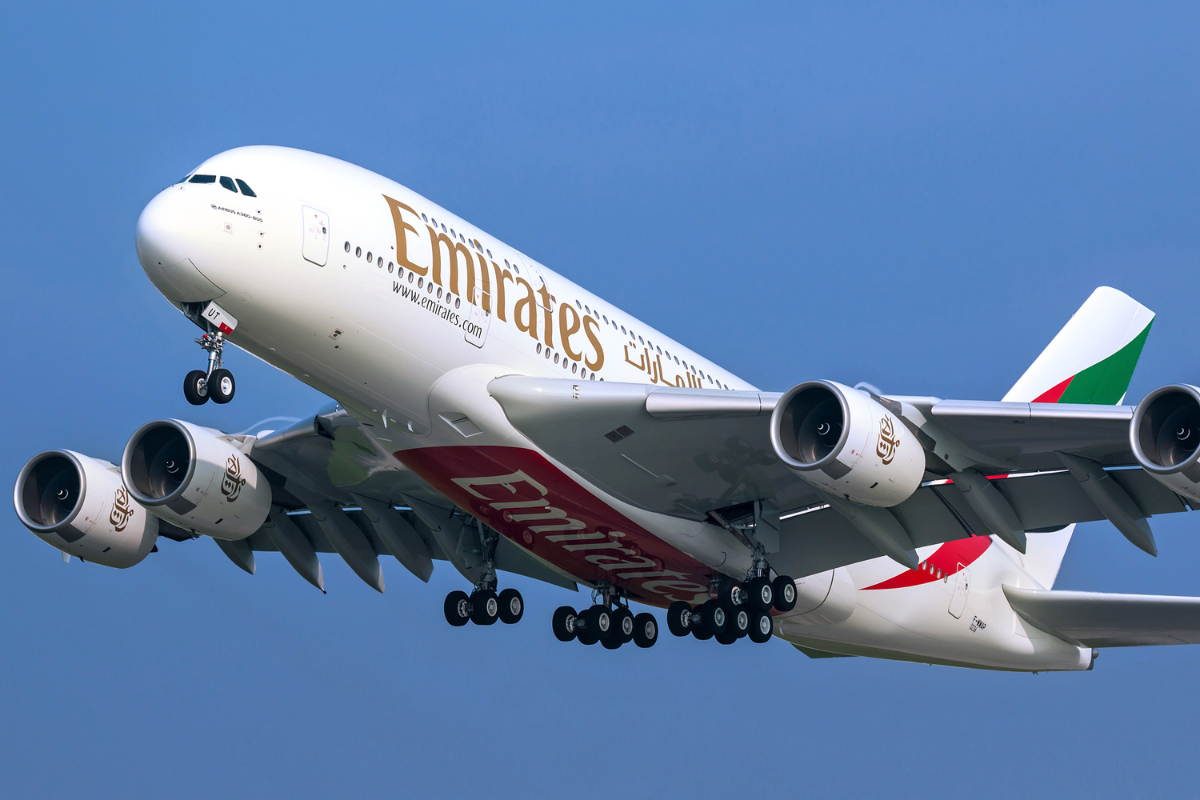
Emirates Forced to Ground Five A380 Superjumbos Following Emergency EASA Safety Warning
Dubai-based mega carrier Emirates has been ordered to immediately ground five of its iconic Airbus A380 superjumbo aircraft after European aviation regulators issued an emergency airworthiness directive warning of cracks discovered in the wings of the world's largest commercial passenger jet. The development has sent ripples through the aviation industry and raised fresh questions about the long-term structural maintenance of the aging double-decker widebody fleet.
The European Aviation Safety Agency (EASA), the regulatory body responsible for international safety oversight of all Airbus-manufactured aircraft, issued the emergency directive covering 16 Airbus A380s in total. Of those 16 aircraft flagged, five belong exclusively to Emirates and have been required to cease all commercial operations immediately while urgent structural inspections are carried out.
What Is the Structural Problem and Why Does It Matter?
The core issue centers on cracks that have been identified in the middle spars of the A380's wings. To understand the seriousness of this, it helps to know what a wing spar actually does. Spars are the primary load-bearing structural members that run along the length of an aircraft's wing, functioning essentially as its internal backbone. They carry the enormous stresses generated during flight, including the weight of the aircraft, fuel loads, and aerodynamic forces experienced during takeoff, cruising, and landing.
The middle spar, positioned between the front and rear spars, plays a critical role in distributing these structural loads across the wing assembly. Cracks in this component are therefore not a cosmetic or minor issue — they strike at the very structural integrity of the wing itself.
EASA made its concern explicit, having previously warned in a December airworthiness notice: "Occurrences were reported of finding cracks in wing middle spars of several A380 aeroplanes. This condition, if not detected and corrected, could reduce the structural integrity of the wing." That language — "reduce structural integrity" — represents some of the most serious terminology regulators use when describing a potential in-service safety issue.
Which Emirates Aircraft Have Been Grounded?
The five Emirates A380 aircraft subject to the immediate grounding order have been identified by both their airline registration numbers and their Manufacturer's Serial Numbers (MSNs). MSNs are unique identifiers assigned by Airbus during production and remain with an aircraft permanently, even if the plane is sold to a different airline and receives a new registration. The five grounded aircraft are:
- A6-EOO — also known as MSN190
- A6-EOR — also known as MSN202
- A6-EOS — also known as MSN203
- A6-EOY — also known as MSN209
- A6-EUP — also known as MSN228
All five carry the "A6" prefix in their registration, which denotes aircraft registered in the United Arab Emirates — confirming their status as active members of the Emirates fleet operating out of Dubai International Airport, one of the world's busiest aviation hubs.
A History of EASA Warnings on This Issue
This emergency directive did not come out of nowhere. EASA has been monitoring and issuing airworthiness notices related to A380 wing spar cracking for some time. The December warning was specifically aimed at airlines that had kept A380s in long-term storage for 12 months or more, requiring them to carry out thorough inspections of the affected structural areas before returning those aircraft to revenue service.
This storage-linked focus is significant. During the COVID-19 pandemic, airlines around the world were forced to park large portions of their fleets — including their A380s — for extended periods. The A380, with its enormous size, high operating costs, and dependency on high passenger volumes to remain economically viable, was among the first aircraft type to be stood down and among the last to be recalled into regular service. Long periods of inactivity, temperature fluctuations, and other environmental stressors can contribute to or accelerate structural fatigue in aircraft components, making post-storage inspections especially critical.
Airlines began conducting inspections after the December notice, and it is from those inspection results that EASA and Airbus gathered the data necessary to escalate the response to an emergency airworthiness directive — the aviation regulator's most urgent level of intervention.
What Happens Next for Emirates and the Affected A380s?
The five grounded aircraft will undergo detailed structural inspections to assess the extent of any cracking in the middle spar components. Depending on the findings, the aircraft may require engineering repairs, component replacements, or additional structural work before they can be cleared to return to service. EASA's directive sets out the conditions under which the aircraft can be released back into commercial operation.
For Emirates, the world's largest A380 operator with a fleet of over 100 of the type, grounding five aircraft simultaneously is operationally disruptive but likely manageable given the scale of its fleet. The airline has long been the most vocal champion of the A380, resisting industry trends toward smaller twin-engine widebodies in favor of the superjumbo's sheer passenger capacity on its ultra-high-volume hub routes.
Broader Implications for the Global A380 Fleet
While only five aircraft have been ordered to ground immediately, the EASA directive covers 16 A380s in total, meaning other operators may face their own inspection requirements and potential groundings in the days and weeks ahead. Airlines including Singapore Airlines, Qantas, British Airways, and Lufthansa all operate A380s and will be watching developments closely.
The incident is also a reminder that even the most sophisticated commercial aircraft require constant vigilance around structural health, particularly as the global A380 fleet ages and accumulates flight cycles. Aviation authorities and manufacturers must balance the commercial pressure to keep aircraft flying with the non-negotiable imperative of passenger safety — and when EASA issues an emergency directive, that balance has clearly tipped decisively toward grounding first and inspecting before any further flight.
Passengers booked on Emirates A380 services should check directly with the airline for any schedule impacts, though Emirates is expected to redeploy other aircraft to minimize disruption across its network.