
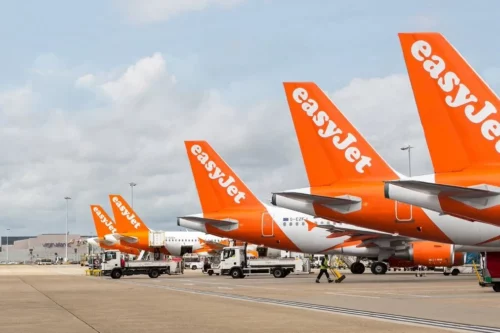
Castlelake Takes £4.7bn easyJet Takeover Bid Directly to Shareholders
The proposed takeover of one of Europe's most recognised budget airlines has entered a dramatic new phase. US investment fund Castlelake has bypassed easyJet's board of directors entirely, taking its £4.7 billion takeover proposal directly to the airline's shareholders. The move comes after the easyJet board rejected not one, not two, but three separate offers — and with a regulatory deadline looming, Castlelake has clearly decided that a public approach is its best remaining option.
For shareholders, frequent flyers, and anyone watching the future direction of European low-cost aviation, this is a story worth following closely. Here is everything you need to know about the Castlelake bid, why easyJet's board has repeatedly said no, and what could happen next.
What Is Castlelake and Why Does It Want easyJet?
Castlelake is a US-based alternative investment management firm with a strong track record in aviation asset financing. The firm has significant experience in aircraft leasing and airline-related investments, making easyJet a strategically logical acquisition target. With a fleet of hundreds of Airbus aircraft, a loyal customer base across Europe, and an established route network, easyJet represents exactly the kind of large-scale aviation asset that appeals to an investment house with Castlelake's profile.
For Castlelake, acquiring easyJet would represent a major expansion of its footprint in European aviation — an industry that, despite its turbulence during the pandemic years, has bounced back strongly. easyJet has reported robust passenger numbers in recent years, and its brand recognition across the UK and continental Europe makes it a compelling long-term asset.
A Timeline of Three Rejected Bids
The current saga has not unfolded overnight. Castlelake has made three separate proposals to easyJet's board, each at a progressively higher price per share, and each has been firmly rejected.
- First bid: 560p per share — Rejected by the easyJet board, who deemed the offer insufficient to reflect the airline's true value and prospects.
- Second bid: 600p per share — Again rejected, with the board maintaining its position that the offer undervalued the business.
- Third and latest bid: 625p per share — This most recent proposal values easyJet at approximately £4.7 billion. Despite the uplift from the earlier offers, the board rejected this bid too, declining to engage meaningfully with Castlelake's representatives.
Having been rebuffed at every turn, Castlelake publicly stated that it had expected the third proposal to prompt genuine engagement from the easyJet board. When that engagement did not materialise, Castlelake made the decision to take its case directly to easyJet's shareholders — a move that significantly increases the pressure on the airline's leadership.
Why Go Directly to Shareholders?
In UK takeover law, a potential acquirer that has been repeatedly refused by a company's board has the option to make its case publicly, appealing directly to the people who actually own the shares. This is a well-established tactic in hostile or semi-hostile takeover situations, and it puts shareholders firmly in the driving seat.
By going public with its 625p offer, Castlelake is essentially asking easyJet's investors a simple question: do you believe the board is acting in your best financial interests by refusing to even discuss this offer? If a significant portion of shareholders feel that 625p per share represents fair value — or if they believe the board's refusal to engage is blocking a potentially lucrative deal — they can apply considerable pressure on the directors to come to the negotiating table.
It is also worth noting that the move came with a Friday deadline for a full formal offer to be made under Takeover Panel rules. This regulatory time pressure adds a sense of urgency to the situation and explains why Castlelake chose to escalate publicly rather than continue pursuing private negotiations that had so far yielded nothing.
How Has easyJet's Board Responded?
easyJet's board has consistently maintained that Castlelake's bids undervalue the airline. The board's position appears to be that easyJet has strong independent prospects — particularly as the European short-haul travel market continues to recover and grow — and that selling at the offered price would not be in the long-term interests of shareholders.
This is a classic tension in takeover situations. A board is legally obligated to act in the best interests of shareholders, but disagreements frequently arise about what "best interests" actually means. Is a certain-but-lower cash offer today better than the uncertain but potentially higher value of continued independent operation? That is ultimately a question for the shareholders themselves to answer.
What Does This Mean for easyJet Customers and Staff?
For the millions of passengers who fly easyJet each year, the immediate practical impact of this takeover battle is likely to be minimal. Flights will continue to operate regardless of who owns the airline. However, a change in ownership to a US investment fund could, over time, influence strategic decisions around routes, pricing, fleet investment, and partnerships.
For easyJet's workforce, the uncertainty that comes with any major ownership change is a natural concern. Investment funds acquiring airlines have historically taken a range of approaches — some maintaining operational independence, others pursuing restructuring to improve returns. How Castlelake would manage easyJet post-acquisition, should a deal be agreed, remains to be seen.
What Happens Next?
With the Friday deadline for a formal offer now in play and Castlelake's bid public knowledge, the next few days are likely to be pivotal. Shareholders will be weighing up the 625p offer against their own assessment of easyJet's standalone value. Institutional investors in particular — who hold significant blocks of shares — will be closely scrutinised for any signals about which way they are leaning.
There are several possible outcomes. The board could come under sufficient shareholder pressure to open formal talks with Castlelake. Castlelake could submit a formal offer before the deadline and allow shareholders to vote directly on the proposal. Alternatively, the deadline could pass without a formal offer, ending — at least temporarily — Castlelake's pursuit under current Takeover Panel rules.
Whether or not this particular bid ultimately succeeds, the episode underscores how attractive easyJet remains as an asset in the eyes of major investors. The airline has worked hard to rebuild and reposition itself following the disruption of recent years, and that work has clearly not gone unnoticed on the other side of the Atlantic.
The Bigger Picture for European Aviation M&A
The Castlelake approach to easyJet is part of a broader trend of investment interest in European aviation. As airlines emerge from a period of financial stress with leaner operations and stronger demand, they represent increasingly attractive targets for private capital. Budget carriers in particular, with their high passenger volumes and asset-heavy balance sheets, tick many of the boxes that investment funds look for.
Whether easyJet ends up remaining independent or ultimately agreeing to a sale — whether to Castlelake or another suitor — the aviation industry will be watching closely. The outcome of this standoff between a determined US investor and a resistant British airline board could set a precedent for how similar battles play out across the sector in the years ahead.