
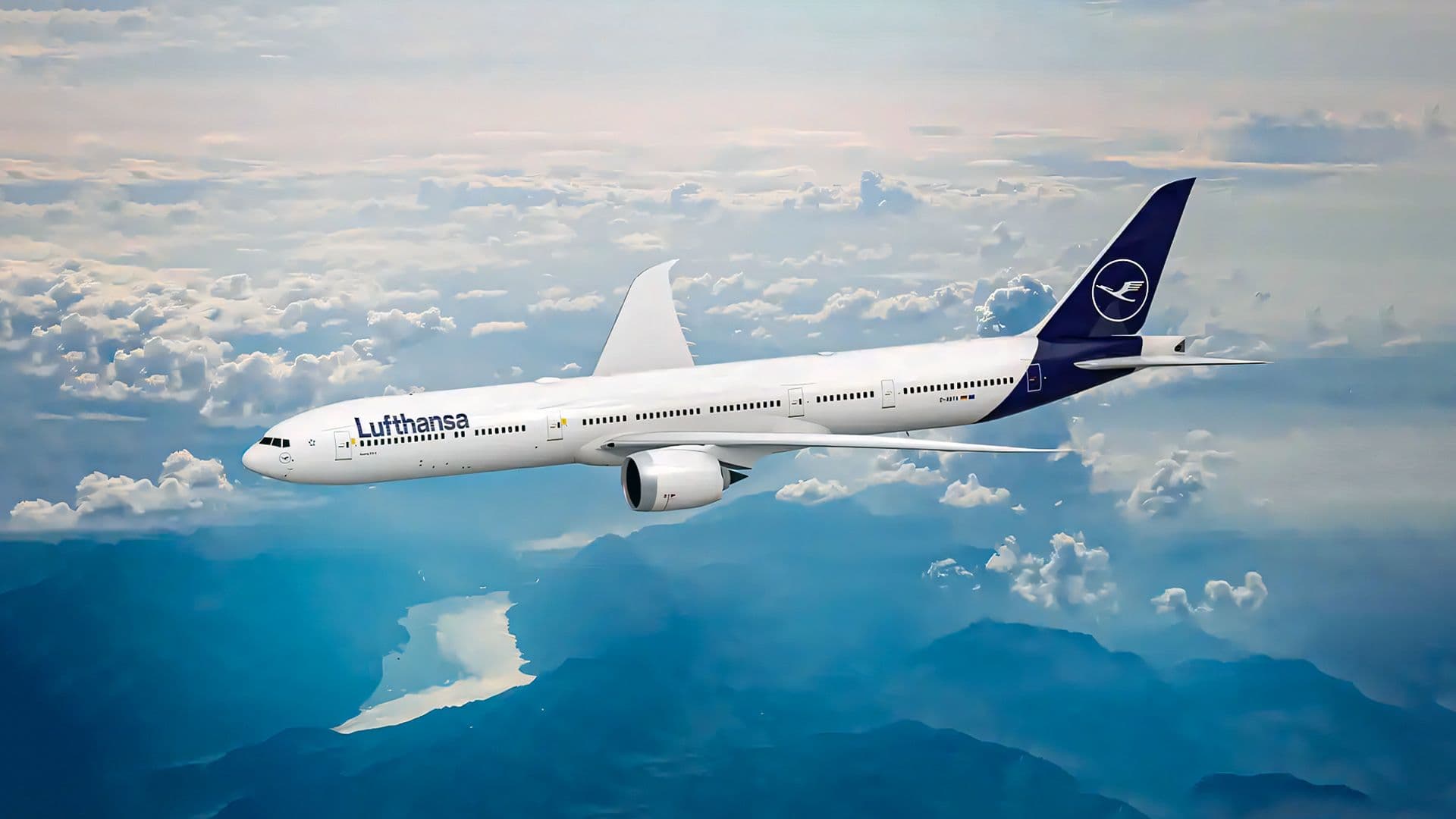
Boeing's 777X Has Completed Flight Testing — So Why Can't It Fly Passengers Until 2027?
At first glance, the headline sounds almost absurd: Boeing's 777X has finished flight testing, yet the aircraft still cannot enter commercial service until 2027. For an aviation industry that has watched Boeing struggle through years of delays, certification setbacks, and the long shadow of the 737 MAX crisis, the temptation is to chalk this up as yet another Boeing scheduling failure. But that framing misses the real story entirely.
The true reason the 777X remains grounded — despite completing its flight test program — lies in a specialized and often misunderstood regulatory process called ETOPS certification. Understanding what ETOPS is, why it matters, and why it takes so long explains everything about the 777X's current situation and its timeline to commercial service.
What Is ETOPS and Why Does It Matter So Much?
ETOPS stands for Extended-range Twin-engine Operational Performance Standards. It is a regulatory framework established by aviation authorities, including the FAA and EASA, that governs how far a twin-engine aircraft is permitted to fly from a suitable diversion airport at any given point in its route. In practical terms, ETOPS certification is what allows a twin-engine jet to operate over oceans and remote regions — the very routes that define long-haul commercial aviation.
Before ETOPS rules were modernized, twin-engine aircraft were required to stay within 60 minutes of a diversion airport at all times. This was a severe operational restriction that made twin-engine jets unsuitable for transoceanic flights. The evolution of ETOPS rules over the decades — expanding to 120, 180, and even 330-minute thresholds — opened up the long-haul market to highly efficient twin-engine aircraft like the Boeing 777, the 787 Dreamliner, and the Airbus A350.
For an aircraft like the 777X, which is designed specifically to fly ultra-long-haul routes connecting cities across the Pacific and Atlantic, ETOPS approval is not an optional add-on. It is a fundamental prerequisite. Without it, the aircraft simply cannot perform the missions that airlines ordered it to fly.
The Difference Between Flight Testing and Full Certification
This is the nuance that tends to get lost in mainstream coverage of the 777X delays. Completing flight testing and achieving full regulatory certification are not the same thing. Flight testing demonstrates that an aircraft performs as designed across a wide range of conditions, maneuvers, and scenarios. It is a critical phase, and completing it is a genuine milestone — but it is only one part of the overall certification process.
Full type certification, and particularly ETOPS certification, requires something that no amount of flight test hours can shortcut: demonstrated reliability over time and accumulated operating experience. Regulatory authorities need to see that the aircraft's engines, systems, and airframe perform reliably across a meaningful volume of flight cycles before they will authorize extended over-water operations far from diversion airports.
This is not a bureaucratic formality. The logic behind requiring demonstrated reliability is sound. When a twin-engine aircraft is flying over the middle of the Pacific Ocean, hours from the nearest airport, the margin for error is essentially zero. Regulators require confidence — built through data, not promises — before they will approve operations under those conditions.
What the 777X Still Needs to Achieve Before 2027
With flight testing now complete, Boeing's focus shifts entirely to the certification pathway that leads to service entry. For the 777X, this involves several interconnected processes running in parallel:
- FAA Type Certification: Boeing must secure the foundational approval from the Federal Aviation Administration confirming the aircraft meets all applicable airworthiness standards. Given the heightened scrutiny the FAA has applied to Boeing programs since the 737 MAX accidents, this process is expected to be thorough and deliberate.
- ETOPS Pre-Entry Service Approval: Airlines operating the 777X will need ETOPS authorization specific to their operations. Regulators evaluate the operator's maintenance programs, training procedures, and dispatch reliability standards alongside the aircraft's own certification data.
- Engine Certification and Reliability Validation: The 777X is powered by the GE9X engine, the most powerful commercial aircraft engine ever built. Its performance data must meet ETOPS reliability thresholds, which are among the most demanding standards in aviation.
- Regulatory Documentation and Compliance Review: The sheer volume of technical documentation that accompanies a new widebody aircraft certification program is enormous. Reviewing, verifying, and approving that documentation takes time even when there are no technical issues to resolve.
The Broader Context: Boeing's Regulatory Relationship
It would be naive to discuss the 777X certification timeline without acknowledging the regulatory environment Boeing is operating in. Following the two fatal 737 MAX crashes in 2018 and 2019, the FAA significantly restructured how it oversees Boeing's certification activities. The era of delegated authority — where Boeing engineers could approve much of their own certification work on the FAA's behalf — has given way to considerably more direct federal oversight.
This change is appropriate and necessary, but it does mean that certification timelines for new Boeing programs will be longer than they might have been in previous years. The 777X is navigating this new regulatory landscape, and the 2027 service entry date reflects a realistic assessment of how long full certification will take under current FAA oversight standards.
What Airlines Are Waiting For
The stakes for airlines are significant. Carriers including Emirates, Qatar Airways, Lufthansa, and others have substantial 777X orders on their books. These airlines designed long-term fleet strategies around the 777X's promised economics: lower fuel burn than the original 777, greater passenger capacity than the 787, and the range to open new nonstop routes that are not commercially viable today.
Every year the 777X remains out of service is a year those airlines continue operating older, less efficient widebody jets on routes the 777X was supposed to serve. The financial and strategic costs of the delay are real, even if the reasons behind the timeline are technically legitimate.
The Bottom Line
The Boeing 777X's path to commercial service is not being blocked by ongoing engineering problems or a failed flight test program. The aircraft has passed that hurdle. What remains is a certification process — particularly ETOPS authorization — that exists for the best possible reason: ensuring that passengers flying over the world's most remote stretches of ocean do so on an aircraft whose reliability has been proven, not merely promised. The 2027 timeline is not a story of Boeing dysfunction. It is a story of how rigorous modern aviation certification is supposed to work.