
Why Your Next Flight Delay Could Have Nothing to Do With Weather
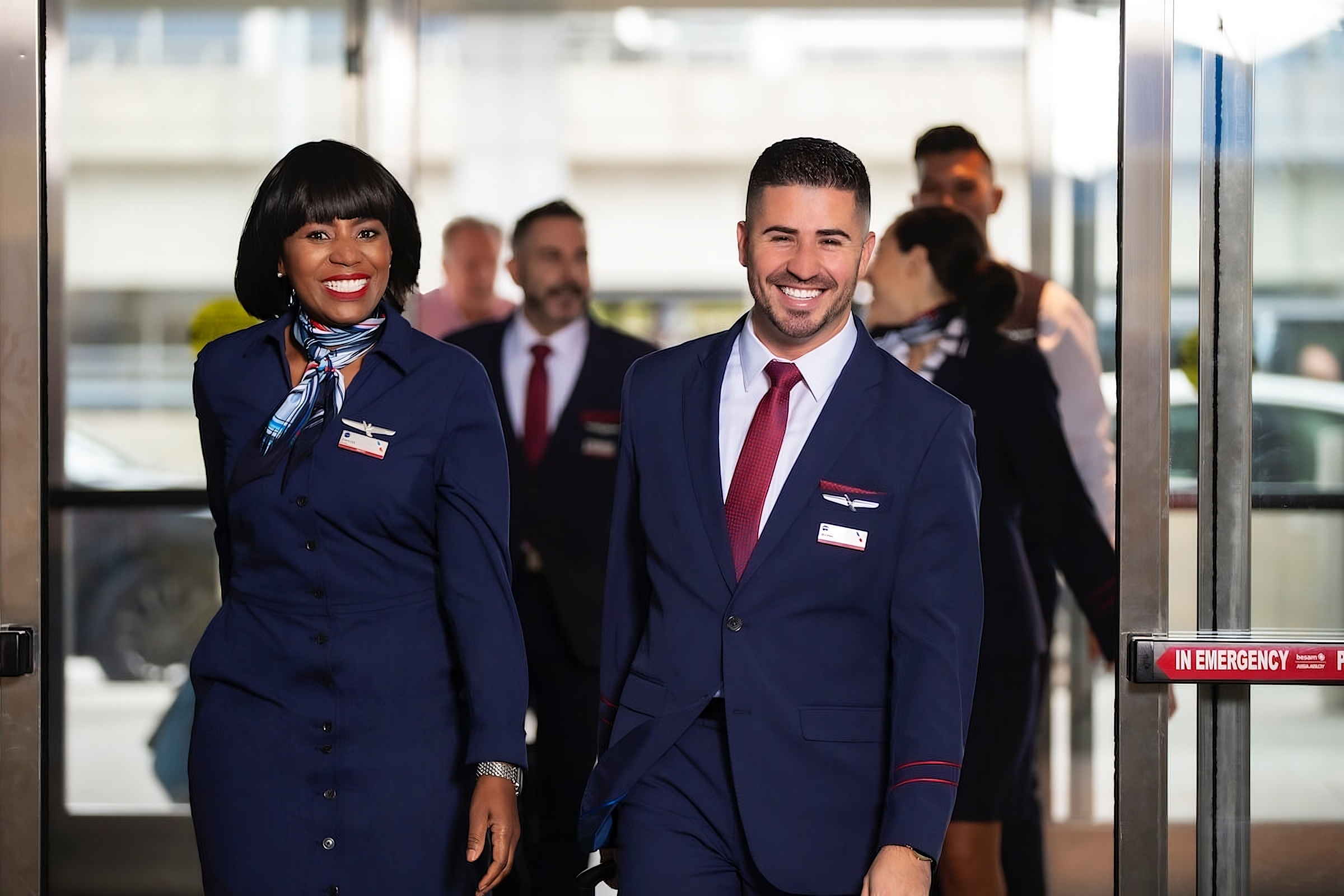
Most travelers blame flight delays on thunderstorms, mechanical issues, or air traffic congestion. But a growing legal battle playing out in courtrooms across the United States could soon add a new entry to that list: state sick leave laws. Airlines are aggressively fighting legislation that would extend state-mandated paid sick leave protections to flight crews, arguing that these laws threaten to upend staffing systems, ground aircraft, and ultimately make your travel experience worse. With courts divided and a Michigan case gaining momentum, legal experts say this fight may ultimately need the Supreme Court to resolve it.
The Core Conflict: State Labor Law Meets Federal Aviation Regulation
At the heart of this dispute is a fundamental question about American federalism: when a state passes a labor protection law, does it apply to an industry as nationally regulated and operationally complex as commercial aviation?
Airlines argue the answer should be no. Their position is that flight crew scheduling, staffing, and labor agreements are governed by a dense web of federal rules — from the Federal Aviation Administration's strict duty and rest time requirements to the Railway Labor Act, which has long governed collective bargaining in the airline industry. Layering state sick leave mandates on top of these existing federal frameworks, airlines contend, creates conflicts that are simply unworkable in practice.
State lawmakers, on the other hand, argue that flight crew members are workers like any other, and that employees who spend much of their working lives in a given state deserve the same basic labor protections as everyone else. Many of these laws were expanded or newly enacted in the wake of the COVID-19 pandemic, when the vulnerability of workers without paid sick leave became impossible to ignore.
The Michigan Case Putting Pressure on the Industry
One of the most closely watched legal battles is currently unfolding in Michigan, where a case challenging a state sick leave law as it applies to airline employees is moving forward through the courts. Michigan's Paid Medical Leave Act requires employers to provide eligible employees with paid sick time, and flight crew members have argued they are entitled to those benefits just like any other worker in the state.
Airlines operating in Michigan have pushed back hard, arguing that the state law is preempted by federal law — a legal doctrine that holds federal legislation supreme when it conflicts with or substantially overlaps state regulation in areas of national concern. The aviation industry has long relied on preemption arguments to shield itself from a patchwork of varying state regulations that could make uniform national operations nearly impossible to manage.
The Michigan case is significant not just for its immediate outcome, but because of what it signals about the broader legal landscape. Courts around the country have not reached consistent conclusions on this issue, and that inconsistency is precisely the kind of circuit split that tends to attract Supreme Court attention.
How Split Court Decisions Are Creating a Legal Mess
The lack of uniformity in how courts are ruling on airline preemption and state sick leave laws is itself becoming a serious problem for the industry. In some jurisdictions, federal courts have sided with airlines, agreeing that state labor laws interfere impermissibly with federally regulated airline operations. In others, courts have allowed state sick leave requirements to stand, finding that the laws are general employment regulations that do not specifically target the airline industry and therefore do not trigger preemption.
This inconsistency means that an airline operating flights across dozens of states faces a genuinely uncertain legal environment. Must it comply with California's sick leave rules for crew members who are based there? What about flight attendants who live in Michigan but regularly work routes that cross multiple state lines? These are not hypothetical edge cases — they describe the daily operational reality of major U.S. carriers.
Legal analysts point out that when federal circuits disagree on a question of this magnitude — one that affects an entire national industry and millions of workers — the Supreme Court typically steps in to provide a definitive answer. That process, however, can take years.
What This Means for Travelers
Airlines are not shy about connecting this legal fight directly to passenger experience. Carriers argue that if state sick leave laws are applied to flight crews without accounting for the unique demands of aviation scheduling, the practical result will be fewer available crew members on short notice, harder-to-fill last-minute staffing gaps, and more delayed or cancelled flights.
Flight crew scheduling is extraordinarily precise. Federal rest requirements dictate exactly how many hours of rest pilots and flight attendants must have between shifts. Any unexpected absence can set off a chain reaction that affects multiple flights across multiple cities. Airlines say state sick leave rules, which in some cases allow workers to take leave with minimal advance notice, are incompatible with this kind of tightly coordinated system.
Worker advocates counter that forcing flight crew members to show up sick is dangerous for everyone on board and that the real solution is building more resilient staffing systems rather than denying workers basic protections.
The Bigger Picture: Federal Preemption and the Future of Airline Labor Law
This battle over sick leave is part of a larger ongoing tension between state-level efforts to strengthen worker protections and the airline industry's insistence that it operates in a uniquely federal regulatory space. Airlines have successfully invoked preemption arguments in the past to block state laws on topics ranging from baggage fees to certain ticketing practices.
But labor rights advocates argue that preemption doctrine has been stretched too far, and that allowing airlines to use federal law as a blanket shield against all state employment regulations leaves workers in one of America's most demanding industries without meaningful protections.
Until the Supreme Court weighs in — if it does — airlines, employees, and travelers alike are left navigating a legal landscape that remains deeply unsettled. What happens in the courtroom over the next few years could reshape not just how airlines manage their crews, but how much protection those workers have when they simply need a sick day.