
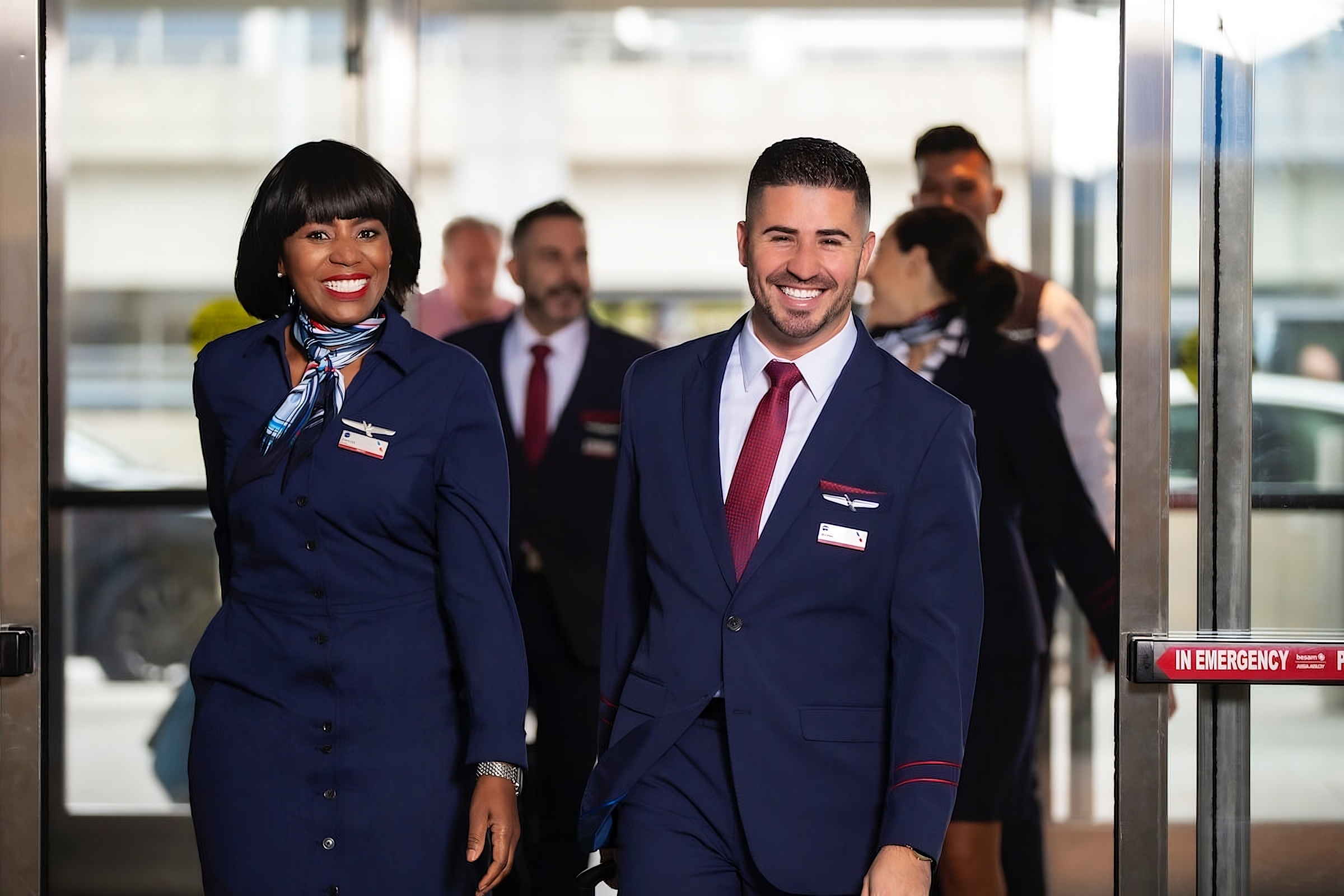
Airlines Are Pushing Back Against State Sick Leave Laws — And Your Next Flight Could Be Affected
The next time your flight is delayed, the reason might not be weather, mechanical issues, or air traffic control — it could be a legal battle playing out in courtrooms across the country. Major airlines are actively fighting state-level sick leave laws that apply to flight crews, arguing these rules create operational chaos, disrupt carefully managed staffing systems, and ultimately leave passengers stranded at the gate. With courts divided and no clear national resolution in sight, legal experts say this fight may eventually land at the United States Supreme Court.
What Is the Dispute Really About?
At its core, this is a clash between two powerful forces in American law: state authority to protect workers and federal authority to regulate the airline industry. Most states have enacted paid sick leave laws over the past decade, requiring employers to provide workers with a minimum number of paid sick days per year. On the surface, these laws seem straightforward. But for the airline industry, the situation is far more complicated.
Airlines operate under a dense web of federal regulations. The Federal Aviation Administration sets rules about flight crew qualifications, rest requirements, duty hours, and medical fitness. Airlines also operate under collective bargaining agreements negotiated under the Railway Labor Act, a federal law that governs labor relations in the transportation sector. Airlines argue that when a state grafts its own sick leave requirements on top of this already complex system, it creates a direct conflict with federal law — and federal law wins.
The legal doctrine at the center of this dispute is called preemption. Under the Supremacy Clause of the U.S. Constitution, federal law overrides state law when the two conflict. Airlines contend that the Airline Deregulation Act of 1978, which prohibits states from enacting laws related to airline prices, routes, or services, should shield them from state sick leave mandates that affect how they staff and schedule their crews.
The Michigan Case Moving the Needle
One of the most closely watched cases right now is unfolding in Michigan. A lawsuit there is moving forward through the courts, challenging whether Michigan's state sick leave law can legally be applied to airline employees who work flight schedules governed by federal regulations and union contracts. The outcome of this case could set a significant precedent — not just for Michigan, but for every state that has enacted similar worker protections.
Michigan is not alone. Courts in several states have reached conflicting conclusions about whether state sick leave laws are preempted by federal airline regulations. Some courts have sided with airlines, agreeing that state laws improperly interfere with federally regulated airline operations. Others have ruled in favor of states, finding that general labor protections do not cross the line into regulating airline services directly. This circuit split — where different courts reach different conclusions on the same legal question — is precisely the kind of disagreement that tends to attract Supreme Court attention.
Why Airlines Say It Could Delay Your Flight
Airlines are not simply making abstract legal arguments. They contend there are real, concrete operational consequences to applying varying state sick leave rules to flight crews. Here is why they say it matters to travelers:
- Staffing complexity: Flight crews do not operate in a single state. A pilot or flight attendant might begin a shift in New York, have a layover in Chicago, and end a route in California — all in one day. If each state's sick leave law applies differently, airlines argue it becomes nearly impossible to manage crew scheduling in a consistent, reliable way.
- Reserve crew disruptions: Airlines maintain reserve crews to cover last-minute absences. State sick leave laws can affect how many reserve crew members are available on a given day, potentially reducing the buffer that keeps flights on schedule when absences occur.
- Conflict with union contracts: Most major airline crews are covered by collective bargaining agreements that already address sick leave, scheduling, and absence policies. Airlines argue that state laws layered on top of these agreements undermine the carefully negotiated balance between airline management and labor unions.
- Cascading delays: Airline operations are deeply interconnected. A single crew shortage at a hub airport can cause a chain reaction of delays that ripples across dozens of flights and thousands of passengers throughout the day.
The Workers' Perspective
Labor advocates and some state officials push back hard on the airlines' framing. They argue that flight crew members are workers like any others and deserve the same basic protections that state legislatures have decided are necessary for worker health and dignity. Denying flight crews access to state sick leave laws, they say, effectively creates a two-tiered labor system where airline employees have fewer rights than workers in other industries.
There is also a public health dimension to the argument. Flight attendants and pilots interact with hundreds of passengers per shift. Sick leave protections, supporters argue, encourage crew members to stay home when ill rather than fly while sick — something that matters both for individual workers and for the passengers they serve.
What Happens Next — And Why the Supreme Court May Have to Step In
As long as courts across the country continue to reach contradictory conclusions, airlines, states, and workers will all face legal uncertainty. A unified national standard is badly needed, and the Supreme Court is the only institution capable of providing one. The justices have shown willingness in recent years to take up cases involving federal preemption and the boundaries of state labor law, making this dispute a strong candidate for eventual review.
For now, passengers should be aware that this legal battle is ongoing — and that the outcome will shape not only worker rights in the airline industry, but the reliability of the air travel system that millions of Americans depend on every day. Whether the final word comes from a federal appeals court or from the Supreme Court itself, the stakes are high for airlines, employees, and travelers alike.