
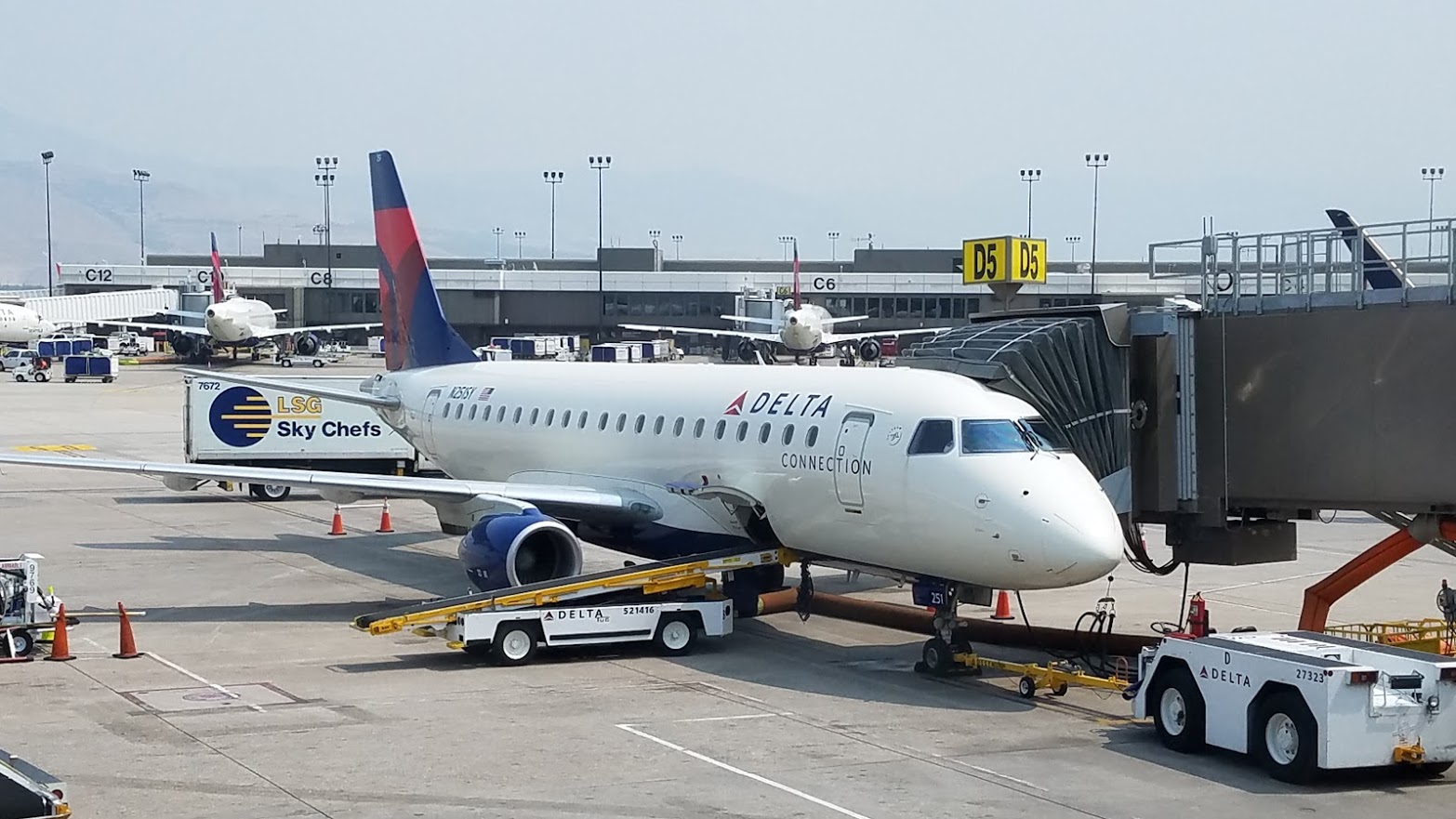
When Grief Meets a Contract: The Funeral Leave Gap at Endeavor Air
If you work at Endeavor Air, a Delta regional carrier, the number of paid days you receive when a loved one dies depends not on the depth of your loss — but on which crew seat you occupy. Flight attendants receive three days of paid bereavement leave. Pilots receive five. That two-day difference might seem minor at first glance, but it opens a window into how airline labor works, how union contracts are structured, and why compensation in the aviation industry is rarely as simple as a single number on a pay stub.
This isn't a story about who grieves harder. It's a story about bargaining power, risk classification, and the economics of putting together an employment package in a heavily unionized industry.
What the Numbers Actually Look Like
At Endeavor Air, pilots are represented by the Air Line Pilots Association (ALPA), one of the most powerful labor unions in the United States. Flight attendants are represented by the Association of Flight Attendants (AFA), a union that, while active and growing, operates within a different set of market dynamics. Both groups negotiate their contracts separately, and the outcomes reflect that separation clearly.
Three days of paid funeral leave for flight attendants. Five days for pilots. On the surface, this reads like an inequality rooted in how the company values different workers. In reality, the explanation is more structural — and understanding it matters for anyone who works in aviation or follows airline labor issues.
Union Bargaining Power Is Not Equal Across Job Classifications
The core reason the leave policies differ comes down to leverage. Pilots are harder to replace. Training a commercial airline pilot takes years and costs hundreds of thousands of dollars. The supply of qualified pilots is tightly controlled by federal certification requirements, mandatory flight hour thresholds, and ongoing medical evaluations. When pilots threaten to walk, the operational consequences for an airline are immediate and severe.
Flight attendants are also essential — no airline can operate without them, and safety regulations require their presence on every flight. But the training pipeline for flight attendants is shorter, and the labor pool is larger. That means when flight attendant unions sit across the table from airline management, they are negotiating from a position of comparatively less scarcity.
Bargaining power shapes every line of a labor contract, and bereavement leave is no exception. Pilots, through ALPA, have historically secured stronger terms across the board — higher base pay, better scheduling protections, more generous leave provisions. The funeral leave gap at Endeavor Air is one small but visible symptom of that broader dynamic.
Total Compensation Is a Package, Not a Single Number
Another important lens for understanding this disparity is how total compensation works in airline contracts. Pilots and flight attendants are not simply paid a salary. Their overall compensation packages include base hourly pay, per diem rates for time away from home, health and retirement benefits, scheduling rules, and various forms of paid leave — including bereavement leave.
When unions negotiate, they are trading off across all of these categories simultaneously. A flight attendant union might push harder for higher per diem rates or better scheduling protections and accept a shorter bereavement leave window as part of that overall deal. A pilot union might prioritize leave and retirement security while accepting a different balance elsewhere. The end result is two contracts that look unequal on any single line item but may reflect very different priorities negotiated by very different groups of workers.
This doesn't mean the outcomes are fair in any philosophical sense. But it does mean that isolating funeral leave as a standalone comparison misses the context in which that number was agreed upon.
Why This Matters Beyond One Regional Carrier
Endeavor Air is a regional carrier, which means it operates under the Delta Connection brand but functions as a separate employer with its own labor agreements. Regional airlines are often where the sharpest disparities in airline compensation become visible, because regional workers typically earn less and receive fewer benefits than their counterparts at major carriers — even when they perform identical or comparable work.
The bereavement leave gap at Endeavor is a microcosm of a larger conversation happening across the aviation industry about pay equity, the value of different kinds of airline labor, and whether the structure of regional aviation fairly compensates the people who make it run. Flight attendants at regional carriers have been among the most vocal in recent years about the need for contract improvements, and issues like bereavement leave are increasingly part of that public conversation.
The Human Cost of Policy Differences
Behind every policy number is a person navigating the worst moments of their life while managing a demanding, irregular schedule far from home. Flight attendants often live out of suitcases, spending nights away from family across multiple time zones. When a parent, spouse, or child dies, getting home and being present isn't logistically simple. Three days — rather than five — can mean the difference between attending a funeral and missing it entirely.
That's not an abstraction. It's a real consequence of how contracts are written, and it's one reason why labor advocates argue that bereavement leave should be treated as a basic workplace standard rather than a negotiated perk that varies by job title.
What This Tells Us About Airline Labor in 2024 and Beyond
The flight attendant and pilot leave disparity at Endeavor Air is not an accident, an oversight, or evidence that one group's grief matters more than another's. It is the predictable output of a labor system built on unequal bargaining power, compensated in ways that spread value unevenly across pay, benefits, and leave.
Understanding that system — not just reacting to a single data point — is essential for anyone trying to make sense of how aviation workers are treated, how labor negotiations actually function, and what it would take to close gaps like this one. The answer isn't sympathy. It's structural change, stronger organizing, and contracts that treat every crew member's time — and grief — as equally worth protecting.