
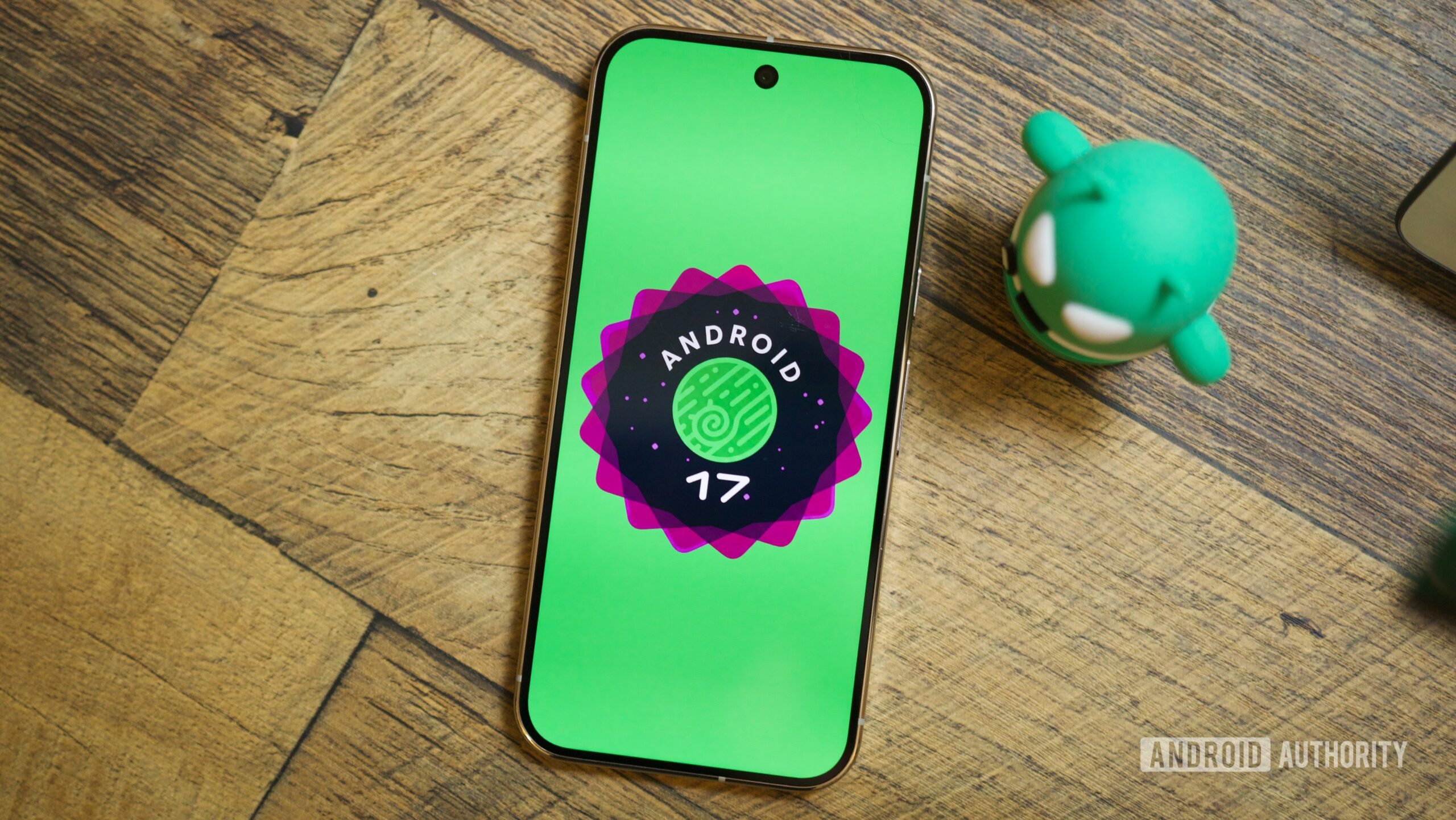
Android 17 QPR1 Beta 4 Is Here — And It's All About Bug Fixes
Google has officially rolled out Android 17 QPR1 Beta 4, arriving just over three weeks after the previous Beta 3 release. This latest beta build continues to pave the way for September's highly anticipated Feature Drop, though its primary focus is squarely on stability and bug resolution rather than flashy new features. If you're a Pixel device owner enrolled in the Android Beta Program, here's everything you need to know about this latest preview release.
What Is Android QPR1 and Why Does It Matter?
Before diving into the specifics of Beta 4, it helps to understand what a QPR release actually is. QPR stands for Quarterly Platform Release — a scheduled update cycle that Google uses to deliver improvements, fixes, and occasionally new features to Android devices between major version launches. These releases are significant because they represent Google's commitment to ongoing software quality and user experience, even after the main Android version has shipped.
The QPR1 release tied to Android 17 is set to arrive in September, making it what Google internally refers to as a "Feature Drop." This means users can expect a curated bundle of new capabilities and refinements to land on their Pixel devices, separate from the major Android version release cycle. Beta testing these builds in advance allows developers and enthusiasts to catch problems early and give Google valuable feedback before the public launch.
What's New in Android 17 QPR1 Beta 4?
The most important thing to know about Android 17 QPR1 Beta 4 is that it is heavily bugfix-focused. As of the time of this release, Google has not announced any new features bundled into this particular beta build. This is fairly typical behavior for later beta iterations — early betas tend to introduce new functionality, while later ones concentrate on polishing and stabilizing what's already there ahead of the public rollout.
For developers and beta testers, this is actually welcome news. A bug-heavy beta toward the end of a release cycle often signals that a product is approaching readiness for general availability. Google's engineering teams are clearly in a refinement phase, working through issue reports submitted by beta participants and resolving problems before the September Feature Drop hits millions of devices worldwide.
While Google has not published a comprehensive changelog detailing every specific fix in Beta 4, the company has acknowledged the update's arrival and encouraged enrolled users to report any remaining issues through the standard beta feedback channels. Users who notice system stability improvements, smoother animations, or resolved UI glitches following the update can attribute those changes to the ongoing work reflected in this build.
Pixel 6 Exclusion: What Happened and What Google Says
One notable development with Android 17 QPR1 Beta 4 is that certain Pixel 6 models do not have a corresponding release. Google has acknowledged this gap and stated that affected Pixel 6 devices will be included again in a future beta release. While this may be frustrating for Pixel 6 owners who are actively participating in the beta program, it is not entirely unusual — hardware-specific complications can occasionally delay builds for particular device generations.
Google has not provided detailed reasoning for the Pixel 6 omission in this cycle, but the company's assurance that those devices will return to the beta fold is a positive signal. Pixel 6 owners who are enrolled in the beta program should keep an eye on Google's official Android Beta Program page for updates regarding their specific device's eligibility.
How to Enroll in the Android Beta Program
If you're not yet part of the Android Beta Program but want to get early access to builds like Android 17 QPR1 Beta 4, the process is straightforward. Here's a quick overview of how to get started:
- Visit the Android Beta Program website at android.com/beta and sign in with your Google account.
- Opt in your eligible Pixel device by selecting it from the list of enrolled devices associated with your account.
- Wait for the OTA update to arrive on your device. This can take anywhere from a few minutes to several hours after enrollment.
- Install the update and provide feedback through the Feedback app pre-installed on beta builds.
Keep in mind that beta software is inherently less stable than public releases and may contain bugs that affect everyday use. It is generally recommended to install beta builds on a secondary device rather than your primary phone if possible.
What to Expect From September's Feature Drop
With Beta 4 now in testers' hands, the September Feature Drop is drawing closer. Google's Feature Drops have historically delivered a mix of hardware-software integrations, UI enhancements, and quality-of-life improvements designed specifically for Pixel devices. Previous drops have introduced capabilities like improvements to the Now Playing music recognition feature, Call Screen enhancements, and Adaptive Battery refinements.
For Android 17 QPR1, the exact feature set has not been fully revealed, which builds anticipation among the Android enthusiast community. As Google continues to work through its beta cycle and moves toward a stable release, more details are likely to emerge through official announcements, developer changelogs, and community teardowns of the beta builds.
Staying Up to Date With Android 17 Developments
Android 17 QPR1 Beta 4 represents a meaningful step forward in Google's preparation for September's update. The release schedule — with Beta 4 arriving roughly three weeks after Beta 3 — suggests Google is maintaining a consistent cadence as it drives toward a stable launch. Whether you're a developer testing app compatibility, a tech enthusiast eager to experience new features, or simply a Pixel owner interested in staying current, keeping tabs on the Android Beta Program is the best way to stay ahead of the curve.
As always, the best advice for beta participants is to update promptly, test thoroughly, and submit feedback. Every bug report helps Google ship a better, more polished experience when the Feature Drop finally arrives for everyone this September.